BlueDriver OBD2 Scanner App: Features, Compatibility, And Usage Guide
BlueDriver turns your iOS or Android device into a vehicle diagnostic tool when you pair it with the separate BlueDriver Bluetooth sensor. I can use it to read and clear trouble codes, view live data, and create repair reports.
The BlueDriver OBD2 scanner app helps you understand vehicle faults without relying only on a dashboard warning light. Its value depends on your vehicle’s compatibility, the sensor, and your ability to interpret the results safely.
I’ll cover setup, supported vehicles, diagnostic data, costs, privacy, and common troubleshooting steps so you can decide whether BlueDriver fits your needs.
Key Takeaways
- BlueDriver works with a separate Bluetooth OBD2 sensor.
- The app can display codes, live data, and repair reports.
- Vehicle support and advanced features can vary by model.
App Overview And Core Capabilities
I use the BlueDriver OBD2 Scanner app with its separate Bluetooth sensor to connect a phone or tablet to a vehicle’s OBD-II port. The app reads diagnostic data, explains trouble codes, and creates repair reports that I can save or share.
Supported Diagnostic Functions
BlueDriver can read and clear diagnostic trouble codes from supported vehicles. Depending on the make, model, and year, it may access more than basic engine codes, including certain ABS, airbag, and transmission systems. Coverage varies, so I check vehicle compatibility before buying the sensor.
The app also provides code descriptions and repair information. This can help me understand whether a fault may relate to a sensor, wiring, or another vehicle system. I can use live data to view readings from systems such as engine temperature, oxygen sensors, and fuel trim when the vehicle supports those parameters.
Useful functions include:
- Reading and clearing stored fault codes
- Viewing live vehicle data
- Checking freeze-frame information
- Creating, saving, printing, and sharing repair reports
- Reviewing possible fixes from a repair database
Key Benefits For Vehicle Owners
I can use BlueDriver to investigate a Check Engine light before visiting a repair shop. The app gives me more information than a basic code reader by combining the code with vehicle-specific repair details and reported fixes.
The wireless Bluetooth connection removes the need for a cable between my phone and the vehicle. I can store scan results and share a report with a mechanic, which makes it easier to discuss the problem and track repeated faults.
BlueDriver works with iPhone, iPad, and Android devices, but it operates as a closed system: the sensor pairs with the BlueDriver app rather than with other diagnostic apps. I also need to remember that clearing a code does not repair the underlying fault.
Setup And Vehicle Pairing
I install the BlueDriver app, plug the Bluetooth sensor into the vehicle’s OBD-II port, and pair the sensor through the app. I also confirm that my phone supports the app and that the vehicle uses a compatible diagnostic system before I begin.
Installing The Mobile App
I download the BlueDriver app from the Apple App Store or Google Play. The app is free to install, but I need the BlueDriver Bluetooth sensor to communicate with my vehicle.
I check that my phone or tablet runs a supported version of iOS or Android. I also turn on Bluetooth and allow the app to use it when prompted. The app may request permission to access nearby devices so it can find the sensor.
After installation, I open the app and follow its setup instructions. I keep the vehicle parked safely, switch off unnecessary electrical devices, and make sure my phone has enough battery for the scan.
Connecting The Bluetooth Sensor
I locate the vehicle’s OBD-II port, which is usually beneath the dashboard on the driver’s side. I insert the BlueDriver sensor firmly into the port without forcing it.
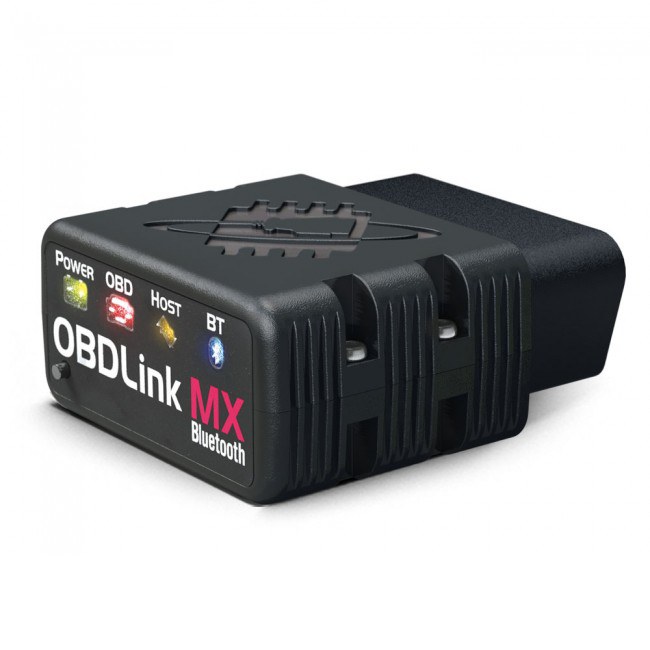
I turn the vehicle’s ignition to the on position. I do not need to start the engine unless the app or a specific test requires it. Indicator lights on the sensor show that it receives power.
I open the BlueDriver app and select the option to connect a sensor. I pair the sensor from inside the app rather than using the phone’s standard Bluetooth settings, unless the app gives different instructions. If the connection fails, I check the plug, confirm Bluetooth is enabled, and move the phone closer to the sensor.
Creating A Vehicle Profile
I add my vehicle in the app by entering details such as the make, model, model year, and engine information when requested. I enter these details carefully because the app uses them to select vehicle-specific diagnostic data.
I save the profile before running a scan. If I use the scanner with another vehicle, I create a separate profile instead of changing the existing one. This keeps scan results and repair reports linked to the correct vehicle.
I then select the vehicle profile and choose a diagnostic function, such as reading trouble codes or viewing live data. I keep the ignition on during the scan and follow the app’s instructions. If the app cannot identify the vehicle, I verify the profile details and check that the ignition is on.
Reading And Understanding Diagnostic Data
I use the BlueDriver app to read fault codes, view live sensor readings, check freeze-frame details, and create repair reports. The app explains many codes in plain language, but I still confirm the cause with testing because one code can have several possible causes.
Trouble Codes And Code Definitions
BlueDriver can read and clear standard OBD2 trouble codes. On supported vehicles, it can also access extra systems such as ABS, airbags, and TPMS, which basic code readers may not support.
I review each code’s full description before replacing a part. A code usually identifies a detected problem, not a failed component. For example, an oxygen-sensor code could result from a wiring fault, an exhaust leak, or a fuel mixture problem.
I record the code number and its status:
- Current or active: The vehicle detects the fault now.
- Pending: The system noticed the issue but needs more drive cycles to confirm it.
- Stored: The fault remains in the vehicle’s memory.
I use the code definition and vehicle-specific repair information as starting points for diagnosis, not as a final repair decision.
Live Data And Freeze-Frame Information
Live data shows sensor and system readings while the vehicle runs. I can watch values such as engine speed, coolant temperature, fuel trims, oxygen-sensor readings, throttle position, and vehicle speed. These readings help me compare actual operation with expected behavior.
I check live data under the conditions that trigger the problem. For example, fuel-trim changes at idle and during acceleration can help separate a vacuum leak from another fuel-related fault. I also look for readings that stay fixed, change slowly, or disagree with related sensors.
Freeze-frame information records conditions from the moment the vehicle set a code. It may include engine speed, coolant temperature, load, vehicle speed, and fuel-trim values. I use this snapshot to recreate the problem and avoid testing under unrelated conditions.
Repair Reports And Clear Codes
BlueDriver can create a repair report that lists detected codes and related diagnostic information. I save or share the report before clearing anything. This gives me a record for a mechanic, repair shop, or future comparison.
I clear codes only after recording them and completing the needed repairs or tests. Clearing a code erases stored fault information and resets some emissions monitors. It does not repair the vehicle, and the code may return if the underlying problem remains.
After clearing codes, I drive the vehicle through normal conditions and check for warning lights or returning faults. Emissions monitors may need several trips to complete, so I do not treat an immediate “no code” result as proof that every problem has been fixed.
Compatibility And Device Requirements
I check both the vehicle’s diagnostic port and the phone’s operating system before using BlueDriver. Compatibility can vary by vehicle year, make, model, and engine, so I verify the exact vehicle with BlueDriver’s compatibility checker.
Supported Vehicle Makes And Model Years
BlueDriver works with gas-powered vehicles from 1996 and newer that use the standard OBD-II system. This includes many cars, SUVs, and light-duty trucks sold in the United States and Canada. Some newer diesel vehicles and certain light-duty trucks may also work, but coverage depends on the specific model.
I enter the vehicle’s year, make, and model in the official compatibility checker before buying the sensor. This step helps confirm whether BlueDriver supports the vehicle’s systems and diagnostic features.
The app can read standard engine fault codes on compatible vehicles. It may also provide enhanced information for systems such as the transmission, ABS, airbag, and other modules, but these features vary by manufacturer and model year. The sensor must plug into a working OBD-II port, usually located beneath the dashboard.
iOS And Android Requirements
I use the free BlueDriver app with the separate BlueDriver Bluetooth OBD2 Sensor. The app alone cannot communicate with the vehicle, and the sensor must be purchased separately.
BlueDriver supports iPhone and iPad devices through the App Store and Android phones and tablets through Google Play. I check the current store listing for the supported operating-system version because mobile requirements can change with app updates.
My phone or tablet must also support Bluetooth and have enough battery for vehicle testing. I enable Bluetooth, install the app, and pair the sensor through the app’s instructions. I keep the device connected during scans so I can view codes, reports, and diagnostic information without interruption.
Features, Subscription Options, And Costs
I can use the BlueDriver app with its Bluetooth sensor to read diagnostic trouble codes, view live vehicle data, and access repair information. The main cost is the sensor, while advanced reports and brand-specific functions may depend on the model, vehicle, and available app features.
Free Features And In-App Purchases
I download the BlueDriver app at no charge, but I need the separate BlueDriver Bluetooth sensor to connect it to a vehicle. The sensor plugs into the OBD2 port, and the app works with compatible iPhone, iPad, and Android devices.
With the sensor connected, I can scan and clear many check-engine codes, view live data, and save diagnostic results. BlueDriver supports most cars, SUVs, and light trucks from 1996 onward in North America, but coverage varies by vehicle.
BlueDriver does not normally require a monthly subscription for its standard functions. I should check the current price before buying because sensor prices and app features can change. The adapter works only with the BlueDriver app, not with third-party apps such as Torque or BimmerCode.
Professional Reports And Service Tools
BlueDriver adds value through Repair Reports, which link specific fault codes to possible causes and suggested fixes. These reports can help me decide whether a problem needs immediate service or whether I can handle a basic repair myself.
The app can also show enhanced diagnostics on selected vehicle brands. Depending on the vehicle, I may be able to scan systems beyond the basic engine module, such as the ABS, airbag, or transmission systems. Coverage is not equal across all makes and models.
BlueDriver suits routine diagnosis, but it does not replace a full professional scan tool. I should confirm supported systems for my exact vehicle before purchase, especially if I need coding, module programming, bidirectional controls, or advanced service resets.
Privacy, Support, And Troubleshooting
I check the app’s permissions before connecting it to a vehicle and limit access to what I need. I also verify Bluetooth, vehicle compatibility, and power before contacting support, since these steps solve many connection problems.
Data Permissions And Account Management
The BlueDriver app uses a compatible Bluetooth sensor to communicate with the vehicle’s OBD-II port. I review its requested permissions in my phone’s settings, especially Bluetooth, nearby-device access, and any optional location permission. I allow only the access needed for the features I use.
I also review account details and app settings regularly. If I share repair reports, I check them for vehicle identification details before sending them. I avoid sharing diagnostic screenshots that include personal information unless a technician needs them.
The app and sensor do not replace the vehicle manufacturer’s security systems. I keep the app updated through the official app store and use a strong password if the app requires an account. I contact BlueDriver support for account changes, data questions, or problems removing a device.
Common Connection Issues
I start by turning on Bluetooth and closing other apps that may be using the phone’s connection. I plug the BlueDriver sensor firmly into the vehicle’s OBD-II port, then turn the ignition to the on position without starting the engine unless the app gives different instructions.
If the app does not find the sensor, I tap its Connect option and wait several seconds. I keep the phone near the sensor and avoid pairing it through the phone’s normal Bluetooth menu when the app handles pairing.
A connection can fail if the vehicle’s port has no power, the sensor is loose, or the app does not support that vehicle. I test the port with another compatible tool, restart the phone, and update the app. I should not force the connector or drive while handling the phone.
Getting Technical Support
I use BlueDriver’s official support or FAQ pages for setup instructions and compatibility information. The company lists support through phone and in-app chat for its Pro Next-Gen scanner, with North American support available 24/7 according to its instruction material.
Before contacting support, I record the vehicle’s year, make, model, engine, phone type, operating-system version, and app version. I also note the sensor’s status light, the exact error message, and the steps that caused the problem.
I include screenshots only when they help explain the issue. Support may also need the diagnostic report or connection details. I avoid clearing trouble codes before saving the report because that can remove useful information about the original fault.
Frequently asked questions
What is the BlueDriver OBD2 Scanner app?
I use the BlueDriver app with a separate BlueDriver Bluetooth sensor. The app connects to a vehicle’s OBD2 port and helps me read diagnostic trouble codes, view live data, and check vehicle systems.
Does the app work with every car?
I can use BlueDriver with most OBD2-equipped vehicles, but supported features vary by make, model, year, and system. Basic emissions-related codes usually have broader support than manufacturer-specific functions.
Do I need the Bluetooth sensor?
Yes. The app alone cannot communicate with the vehicle. I must plug the BlueDriver sensor into the OBD2 port and pair it with an iPhone, iPad, or Android device.
Can I clear trouble codes?
I can usually clear codes after recording them and checking the cause. Clearing a code does not repair the problem, and the warning light may return if the fault remains.
What information does BlueDriver provide?
| Feature | What I can do |
|---|---|
| Trouble codes | Read and clear supported codes |
| Live data | View sensor readings in real time |
| Data displays | Use graphs, gauges, or digital readings |
| Reports | Review repair information and scan results |
Can I use it without a mechanic?
I can use the app for basic diagnosis, even without professional training. I treat its results as guidance because a code identifies a system or condition, not always a failed part.
Conclusion
I see the BlueDriver OBD2 Scanner App as a practical choice for drivers who want more than basic code reading. Its Bluetooth sensor connects to a phone or tablet, while the app displays trouble codes, live data, and repair information in clear language.
The closed system keeps setup simple, but it also limits flexibility. I would choose BlueDriver for home diagnosis, routine checks, and travel preparation. I would not treat it as a full replacement for a professional scan tool, especially when advanced modules or complex repairs require deeper testing.
Best fit:
- DIY vehicle owners
- Drivers who want easy-to-read diagnostic information
- Users who prefer phone-based tools
- People who need repair reports and stored scan results
I would check vehicle compatibility before buying. The app can help identify possible faults, but I would confirm serious problems with proper testing before replacing parts.