Can an OBD2 Scanner Tell Which Oxygen Sensor Is Bad or Not?
Yes, an OBD2 scanner can often narrow the problem to a bank and sensor position, but it cannot always prove the sensor itself failed. Live data, wiring checks, exhaust inspection, and battery condition still matter before you replace anything.
can an OBD2 scanner tell which oxygen sensor is bad? Sometimes, yes—but only to a point. A scanner can often narrow the problem to a bank, sensor position, heater circuit, or weak signal pattern, but it usually cannot prove the sensor itself is bad until you also rule out wiring faults, exhaust leaks, fuel-control issues, and catalyst problems.
That difference matters because many owners replace the sensor named in a code, clear the light, and then watch the same fault come back. The smarter path is to scan correctly, read freeze-frame and live data, and treat the code as a clue instead of a final diagnosis.
- Code meaning: Bank and sensor numbers identify location, not automatic part failure.
- Best tool type: Mid-range scanners with live graphing are usually more useful than basic code readers.
- Low-voltage risk: Weak battery voltage can create misleading faults during diagnosis.
- Common false blame: Exhaust leaks, vacuum leaks, wiring damage, and catalyst issues can mimic a bad sensor.
- Before replacing: Verify fitment, connector type, emissions version, and exact sensor position.
Can an OBD2 Scanner Tell Which Oxygen Sensor Is Bad? The Short Answer
What an OBD2 scanner can confirm from trouble codes and live data
A decent OBD2 scanner can do three very useful things. First, it can pull trouble codes such as P0135, P0141, P0153, or P0161 that point to a bank and sensor number. Second, it can show freeze-frame data, which captures engine conditions when the fault set. Third, it can display live data so you can compare how one oxygen sensor behaves against another.
That means a scanner can often tell you that Bank 1 Sensor 1 is switching too slowly, that a heater circuit is not working, or that a downstream sensor is stuck high or low. On many vehicles, that is enough to identify the most likely suspect.
What it cannot prove without wiring, exhaust, and sensor testing
What the scanner cannot do by itself is prove why the data looks wrong. A lazy signal may come from an aging sensor, but it can also come from damaged wiring, corrosion in the connector, a blown fuse for the heater circuit, an exhaust leak upstream of the sensor, or an engine running too lean or too rich.
So the short answer is this: an OBD2 scanner can often point to the likely oxygen sensor, but it cannot always confirm the failed part without follow-up checks.
How Oxygen Sensors Are Identified: Bank, Sensor Number, and Why People Misread the Code
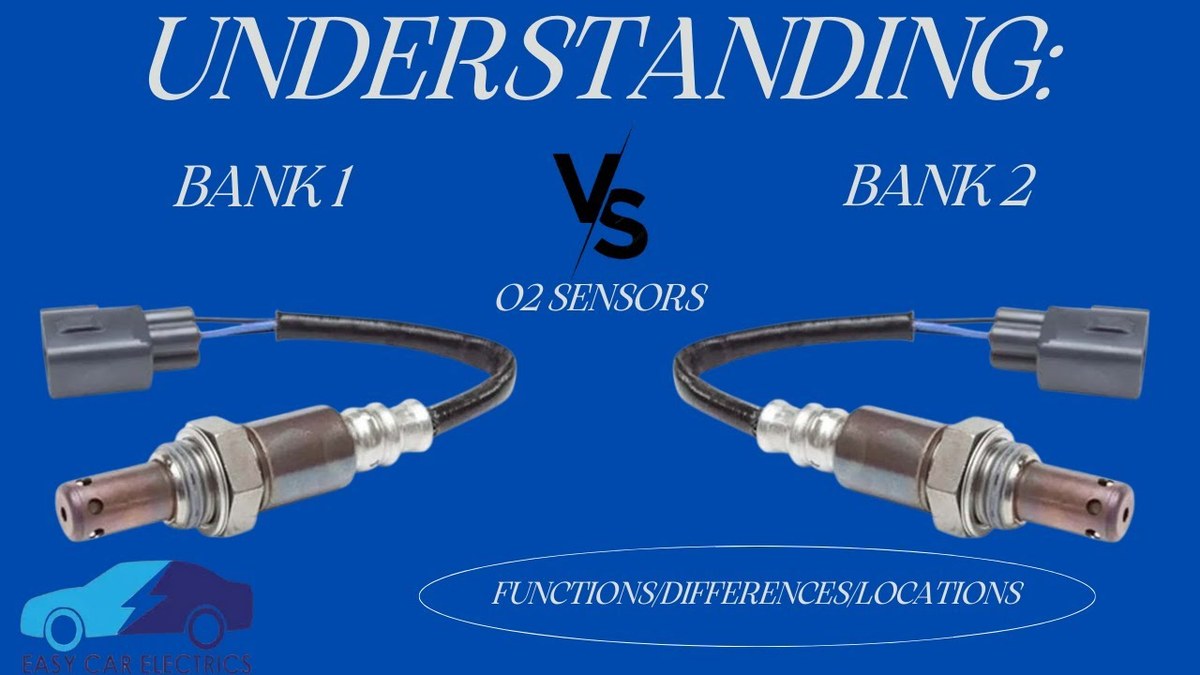
Bank 1 vs. Bank 2 on inline and V-engine layouts
Bank 1 is the side of the engine with cylinder 1. On an inline 4-cylinder or inline 6-cylinder engine, there is usually only one bank, so you will normally see Bank 1 only. On V6, V8, and flat engines, there may be Bank 1 and Bank 2.
This is where many people get tripped up. Bank 1 does not mean “driver side” or “front side” on every vehicle. It means the side containing cylinder 1, and that varies by engine design. The service manual or underhood diagram is the safest way to verify it.
Sensor 1 vs. Sensor 2 before and after the catalytic converter
Sensor 1 usually means the upstream sensor, located before the catalytic converter. This sensor helps the engine computer adjust fuel mixture. Sensor 2 usually means the downstream sensor, located after the catalytic converter. Its main job is monitoring catalyst performance.
Some vehicles have more than two oxygen-related sensors, especially dual-bank systems or certain air-fuel-ratio sensor designs. That is why reading only the code title without checking the exhaust layout can lead to the wrong replacement.
Why a code naming one sensor does not always mean that sensor failed
A code can name a sensor because that is where the computer noticed the symptom. For example, a lean condition code may show up on an upstream sensor because unmetered air entered through a vacuum leak. A catalyst-efficiency code may involve downstream sensor data even though the real problem is the converter, not the sensor.
Check: Verify make, model, year, engine, trim, emissions label, and exhaust layout before identifying Bank 1, Bank 2, Sensor 1, or Sensor 2. Limitations: Sensor naming and live-data labels vary by manufacturer and scan-tool software.
Which OBD2 Scanners Can Actually Help in 2026
Model-year and protocol coverage for U.S. vehicles and common compatibility gaps
For most U.S. vehicles, basic OBD2 emissions functions are widely supported on 1996 and newer models. But “works with OBD2” is not the same as “shows useful oxygen-sensor data.” Some cheap readers pull generic codes but offer limited live graphing, weak manufacturer-specific data, or poor label clarity.
Compatibility gaps still show up with hybrids, some diesels, older CAN transitions, and vehicles that need stronger manufacturer-specific coverage. If you are unsure, CarValleyNJ also breaks down whether OBD2 scanners work on all cars and where those limits usually appear.
Basic code readers vs. bidirectional scan tools vs. Bluetooth app-based dongles
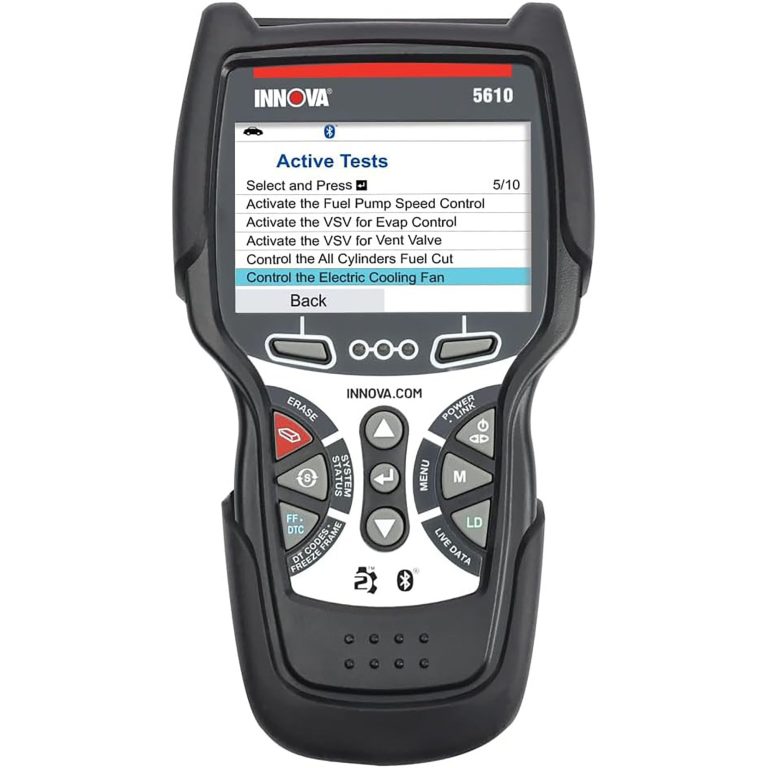
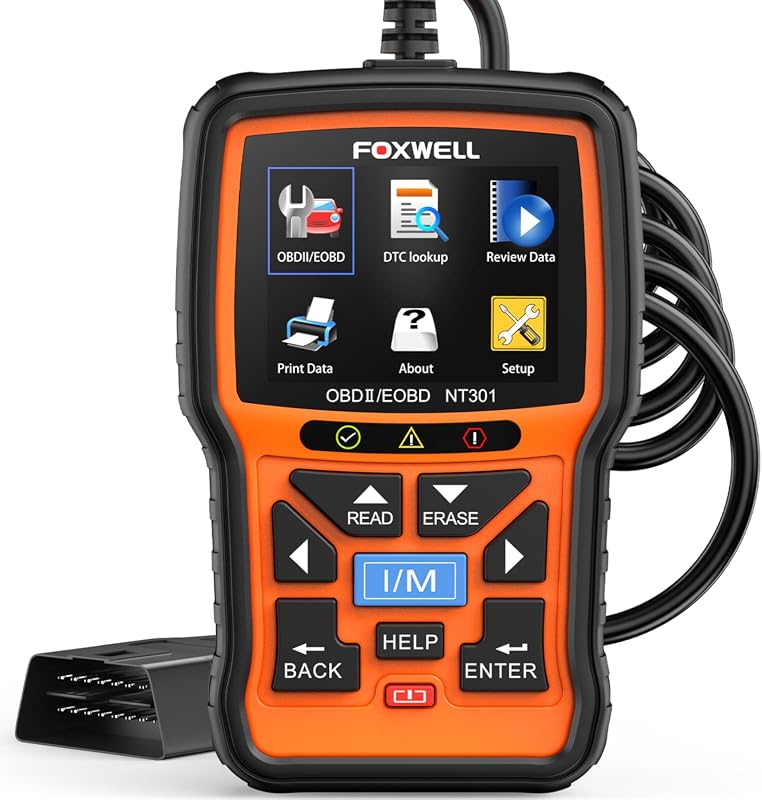
Basic code readers are fine for pulling and clearing emissions codes, checking readiness monitors, and viewing a small amount of live data. Mid-range scan tools usually add graphing, better freeze-frame access, and more dependable live parameter lists. Pro-level or bidirectional tools may support active tests and deeper OEM data on some vehicles.
Bluetooth dongles sit in the middle. They can be very capable when paired with a strong app, but the experience depends on the adapter, phone operating system, app support, and update policy. If you are deciding between formats, our guide to Bluetooth vs. wired OBD2 scanners explains the trade-offs in daily use.
Firmware updates, app permissions, subscriptions, and data-sharing privacy concerns
In 2026, scanner ownership is not only about hardware. Some tools need firmware updates for newer vehicles. Some app-based systems lock advanced features behind subscriptions. Others ask for account access, Bluetooth permissions, location access, VIN storage, or cloud syncing.
If your main goal is oxygen-sensor diagnosis, prioritize live-data graphing, freeze-frame access, readiness status, and clear sensor labels over flashy marketing terms.
How to Scan the Vehicle Correctly Before You Blame an Oxygen Sensor
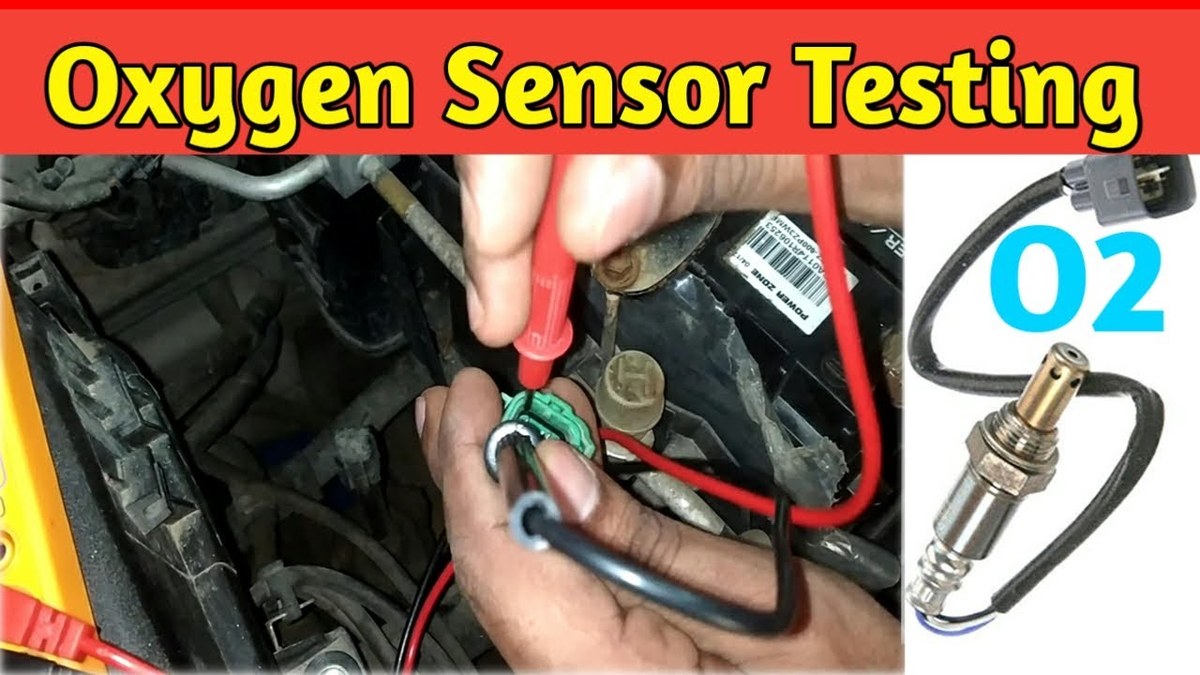
Finding the OBD2 port, choosing the right ignition mode, and keeping system voltage stable
The OBD2 port is usually under the dash on the driver side, but access can vary. Connect the scanner with the vehicle parked safely, then use the ignition mode required by the tool and vehicle. Some functions work with key-on engine-off, while live oxygen-sensor behavior usually needs the engine running and warmed up.
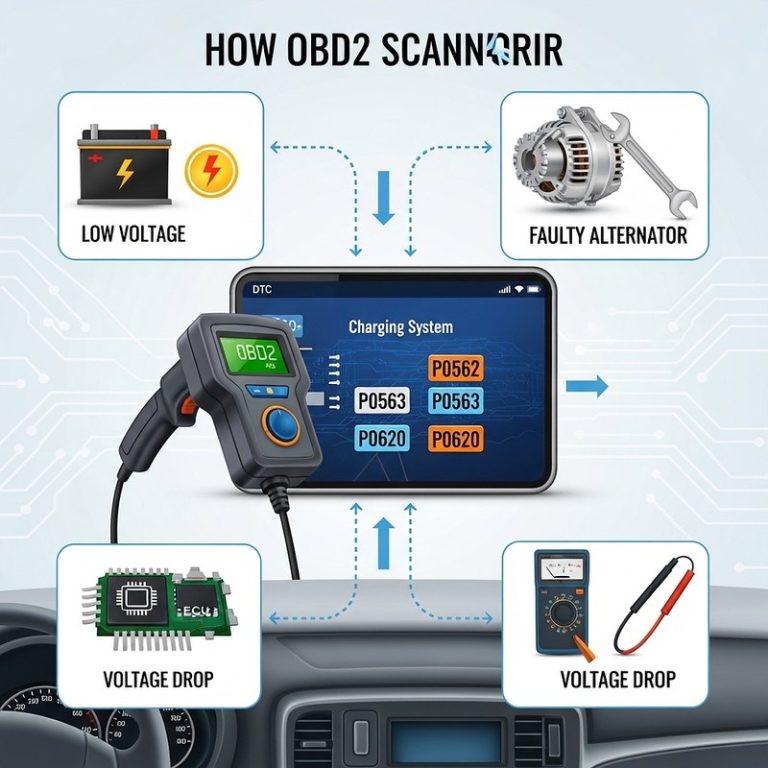
Stable voltage matters. Low system voltage can create false communication problems, weak heater performance, or extra fault codes that confuse the diagnosis. If your scanner will not link at all, this guide on why an OBD2 scanner won’t connect covers the most common causes.
Why battery state of charge is not the same as battery health during diagnosis
A battery can show decent voltage at rest and still sag badly under load. That matters because oxygen-sensor heaters, modules, and the scan tool all depend on stable electrical supply. A weak battery can make diagnosis messy, especially during cold starts or repeated key cycles.
State of charge tells you how full the battery is. Health tells you how well it can still do its job. Those are not the same thing.
Correct connection order for scanners, jump packs, and battery support tools
For routine scanning, connect the scanner first with the ignition off unless the tool instructions say otherwise, then switch to the proper key mode. If battery support is needed, follow the battery-support device instructions and the vehicle manual carefully. Avoid random connect-disconnect cycles while modules are waking up.
When using a jump pack or charger during diagnostics, cable routing matters. Keep leads clear of belts, fans, and hot exhaust parts, and do not let the scanner cable interfere with pedals or steering movement.
Stop conditions for damaged batteries, low voltage faults, and hybrid or EV high-voltage cautions
Stop if the battery case is swollen, cracked, leaking, or overheating. Stop if the scan tool repeatedly reports low-voltage communication faults and the vehicle is acting erratically. On hybrids and EVs, do not probe or disturb high-voltage components unless the service information specifically allows it and you are trained for that work.
The Codes and Live-Data Patterns That Point to a Bad Oxygen Sensor
Common oxygen-sensor and air-fuel-ratio codes and what they usually mean
Common codes include heater-circuit faults, slow-response faults, no-activity faults, high-voltage or low-voltage faults, and circuit-range or performance codes. Air-fuel-ratio sensors, used on many newer vehicles, may report current or lambda values instead of the simple voltage swing many owners expect.
In plain terms, a heater code often points to the sensor heater, fuse, wiring, or power supply. A slow-response code suggests a tired sensor or a mixture problem. A stuck-rich or stuck-lean code can mean the sensor is bad—or that the engine is actually running that way.
Using upstream and downstream voltage or current patterns to isolate the likely sensor
On many conventional narrowband systems, the upstream sensor should switch actively once the engine is warm, while the downstream sensor should look steadier if the catalytic converter is working correctly. If one upstream sensor is lively and the other bank’s matching sensor is flat or sluggish under similar conditions, the lazy one becomes a stronger suspect.
On air-fuel-ratio systems, the pattern may not be a simple 0.1 to 0.9-volt swing. That is where a better scanner helps, because generic labels can hide what the data really means.
Fuel trims, heater-circuit behavior, response time, and cross-count clues
Fuel trims help tell the story. If short-term and long-term trims are heavily positive, the engine may be adding fuel to correct a lean condition. That can be caused by a vacuum leak, fuel delivery issue, or false oxygen reading. If trims are heavily negative, the engine may be correcting a rich condition.
Heater behavior matters too. A sensor that takes too long to wake up can trigger a fault before it ever starts reporting well. Some tools also show response time or cross-count data, which can help identify a sensor that is alive but too slow to be trustworthy.
Code and live-data limits: when the scanner data is too generic to name the failed part
Some budget readers show only generic code text and a few data lines. That may be enough to spot a likely bank and sensor location, but not enough to separate a dead heater from a wiring issue or a sensor fault from a real mixture problem.
- Record all codes, pending codes, and freeze-frame data before clearing anything
- Compare both banks and both sensor positions when the engine is fully warmed up
- Use fuel trims and heater status to support the sensor diagnosis
- Assume the sensor named in the code is automatically the failed part
- Judge oxygen-sensor behavior only during a cold start
- Replace parts before checking for leaks, wiring faults, and blown fuses
When the Scanner Is Blaming the Wrong Part

Exhaust leaks, vacuum leaks, wiring damage, fuse issues, and catalyst problems that mimic sensor failure
A small exhaust leak ahead of an upstream sensor can pull in outside air and make the engine computer think the mixture is lean. Vacuum leaks can do the same from the intake side. Melted wiring near the exhaust, rodent damage, corroded connectors, or a shared heater fuse can all trigger oxygen-sensor codes without a bad sensor element.
Downstream sensor complaints can also be caused by a weak catalytic converter. In those cases, replacing the sensor may change nothing.
How emissions readiness monitors and reset limitations can hide an unresolved problem
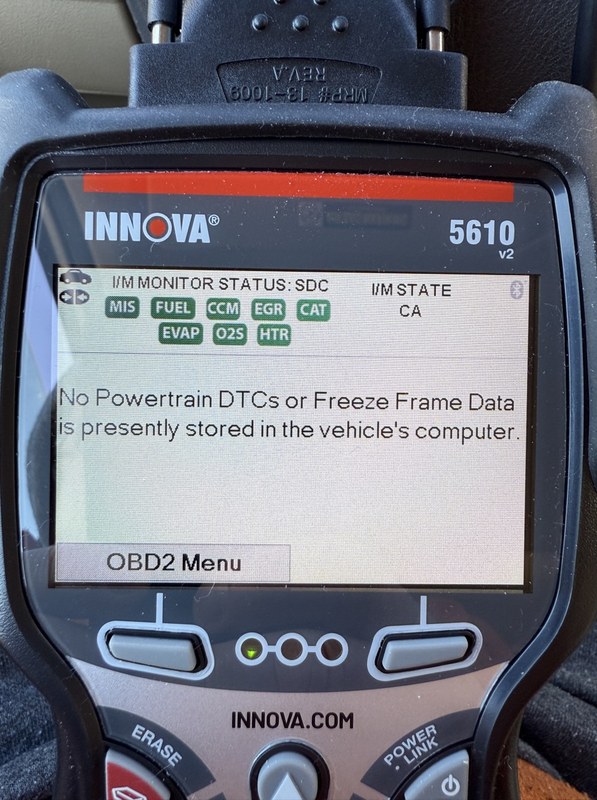
After you clear codes, readiness monitors reset to “not ready.” That can hide the issue for a short time because the system has not finished its self-checks yet. Owners sometimes think the repair worked simply because the light stayed off for a day or two.
That is why emissions readiness matters almost as much as the code itself. The car must complete enough drive-cycle checks for the fix to count.
Why clearing codes is not the same as fixing the fault or passing inspection
Clearing codes erases evidence. It does not repair the sensor, wiring, leak, or converter. It also may not help you pass inspection if readiness monitors are incomplete or the fault returns during the drive cycle. If you want a deeper look at that side of ownership, this article on whether a cheap OBD2 scanner can clear a check engine light explains the limits clearly.
OBD2 Scanner Comparison: Basic Reader vs. Mid-Range Scan Tool vs. Pro-Level Diagnostic Setup
Side-by-side differences in code depth, graphing, mode support, readiness checks, and reset functions
For oxygen-sensor work, the biggest difference is not just code reading. It is how clearly the tool shows live data and whether it helps you compare sensors under real operating conditions.
| Option | Best for | Owner consideration | Driver consideration |
|---|---|---|---|
| Basic reader | Reading generic emissions codes and checking readiness | Usually lower cost, but limited graphing and weaker data labels | Fast to use on the roadside, but less useful for confirming the true cause |
| Mid-range scan tool | DIY diagnosis with live data, freeze-frame, and better graphing | Better value for repeat use across multiple vehicles | Helps reduce repeat warning-light surprises before a trip or inspection |
| Pro-level setup | Intermittent faults, advanced testing, and deeper manufacturer data | Higher cost and steeper learning curve | Best when a hard-to-find issue affects drivability or repeated repairs |
Which option fits DIY owners, used-car shoppers, commuters, and multi-vehicle households
A basic reader fits owners who mainly want to know why the check engine light came on and whether the vehicle is ready for inspection. A mid-range tool fits most DIY owners because oxygen-sensor diagnosis depends heavily on live data. A pro-level setup makes more sense for a home mechanic dealing with several vehicles or recurring emissions faults.
Ownership cost, update policies, support quality, and evidence limits before buying
Before buying, check whether updates are free, limited, or subscription-based. Confirm whether the tool supports your phone, your vehicle family, and the emissions data you need. Also check whether the manufacturer explains live-data coverage clearly instead of relying on broad “supports O2 tests” claims.
- Confirm your vehicle year, engine, and protocol support
- Check whether the tool shows live oxygen-sensor or air-fuel-ratio data clearly
- Review update policy, app support, and subscription limits
- Look for readiness status and freeze-frame access, not just code reading
- Make sure the tool can be used safely without blocking pedals or driver controls
What to Check Before Replacing an Oxygen Sensor
Connector fitment, sensor type, model-year compatibility, and emissions-state differences
Before ordering a sensor, verify the exact engine, emissions label, connector style, and sensor position. California-emissions and federal-emissions versions can differ. So can upstream air-fuel-ratio sensors versus standard oxygen sensors. Parts-catalog mistakes are common enough that double-checking is worth the time.
Installation basics, seized-sensor risks, thread damage, and when replacement should stop
Oxygen sensors live in hot exhaust parts, so they can seize badly. Removing one from a hot or rusted exhaust can damage threads in the bung or crack an old pipe. If the sensor will not break free with the correct tool and procedure, it may be smarter to stop before the job becomes an exhaust repair.
Why universal sensors, cheap aftermarket parts, and wrong harness lengths create repeat faults
Universal sensors can create extra splice points and fitment errors. Very cheap aftermarket sensors may have poor response characteristics or connector quality. A harness that is too short or routed too close to the exhaust can fail quickly and bring the same code right back.
When possible, match the exact sensor type and connector design specified for the vehicle. That usually saves more time than chasing a repeat fault later.
When to DIY, When to Call a Professional, and What to Do Next
Professional-diagnosis thresholds for intermittent faults, heater-circuit testing, and oscilloscope work
DIY scanning makes sense when the code is clear, live data is readable, and the fault pattern is consistent. Professional help makes more sense when the issue is intermittent, the heater circuit needs power-and-ground testing, the harness may be damaged, or the data needs scope-level analysis. An oscilloscope can reveal signal quality that many consumer scanners cannot show.
Roadside and emergency-tool basics if the warning light appears during a trip
If the check engine light comes on during a trip and the vehicle still runs normally, pull the codes when parked safely and avoid clearing them right away. If the light is flashing, the engine is misfiring, or the vehicle smells strongly of fuel or exhaust, reduce load and seek professional help quickly because catalyst damage may follow.
How to document codes, freeze-frame data, repairs, and drive cycles before the next scan
Take screenshots or write down the exact code, pending code, freeze-frame values, fuel trims, readiness status, and sensor labels before you touch anything. Then document what you inspected or replaced and under what conditions the vehicle was driven afterward. That record makes the next scan far more useful.
- Best for: Owners who want to know whether a scanner can narrow an oxygen-sensor fault before paying for parts or a shop visit.
- Think twice if: You plan to replace the sensor named in the code without checking wiring, leaks, battery condition, and live-data patterns first.
- Next step: Scan the vehicle, save freeze-frame and readiness data, then verify the exact bank and sensor location before buying any replacement part.
Frequently Asked Questions
No. Many basic readers can point to a bank and sensor number, but some lack the live data needed to confirm the cause. A scanner with graphing and freeze-frame data is usually much more helpful.
That is risky. The code may show where the problem appeared, but wiring faults, leaks, or fuel-control problems can trigger the same warning. Verify the sensor location and compare live data first.
Yes. Low or unstable voltage can affect heater circuits, communication, and code setting. Battery charge level is not the same as battery health, so unstable voltage should be ruled out early.
They can be, but you should check the app permissions and privacy policy first. Some apps store VIN, diagnostic history, and account data in the cloud or request location-related permissions.
Rules and inspection outcomes vary by state, but clearing codes usually resets readiness monitors. That can keep the vehicle from passing even if the warning light is temporarily off.
Check model-year compatibility, protocol support, live-data access, readiness checks, and update policy. Also confirm whether the tool needs a subscription, phone app, or account login for full features.