Why Does My OBD2 Scanner Say No Codes but Check Engine Light Is On
Your check engine light can stay on even when your OBD2 scanner shows no stored codes. The cause is often a pending code, a weak battery, or a scanner that cannot read every system.
If you are asking why does my OBD2 scanner say no codes but check engine light is on, you are not alone. It is one of the most confusing moments for a driver. Your car is telling you something is wrong, but your scanner is coming up empty. The good news is that this situation is common, and it usually has a clear explanation.
- Pending codes: Your scanner may only show stored codes, so check the separate pending or readiness.
- Battery health: Low voltage can cause a check engine light with no codes, so test the.
- Scanner limits: Basic readers often miss ABS, airbag, and body module codes; verify your scanner’s coverage.
- Clearing codes: Resetting can erase useful data and emissions readiness, so only clear after you record.
- Flashing light: If the check engine light flashes, stop driving soon and call a professional to.
The Short Answer: Yes, Your Check Engine Light Can Be On With No Stored Codes
Your check engine light can turn on without a stored diagnostic trouble code (DTC).) A basic OBD2 scanner only reads codes that the engine computer has confirmed and stored. If the condition is too new, too intermittent, or outside what the scanner can read, you may see “No Codes” while the dash light stays lit.
That does not mean your car is fine. It means you need to look deeper. Pending codes, live data, battery health, and even scanner limitations can explain what is happening. Let us walk through each one.
How OBD2 Communication Works: Port Location, Protocols, and Ignition Mode
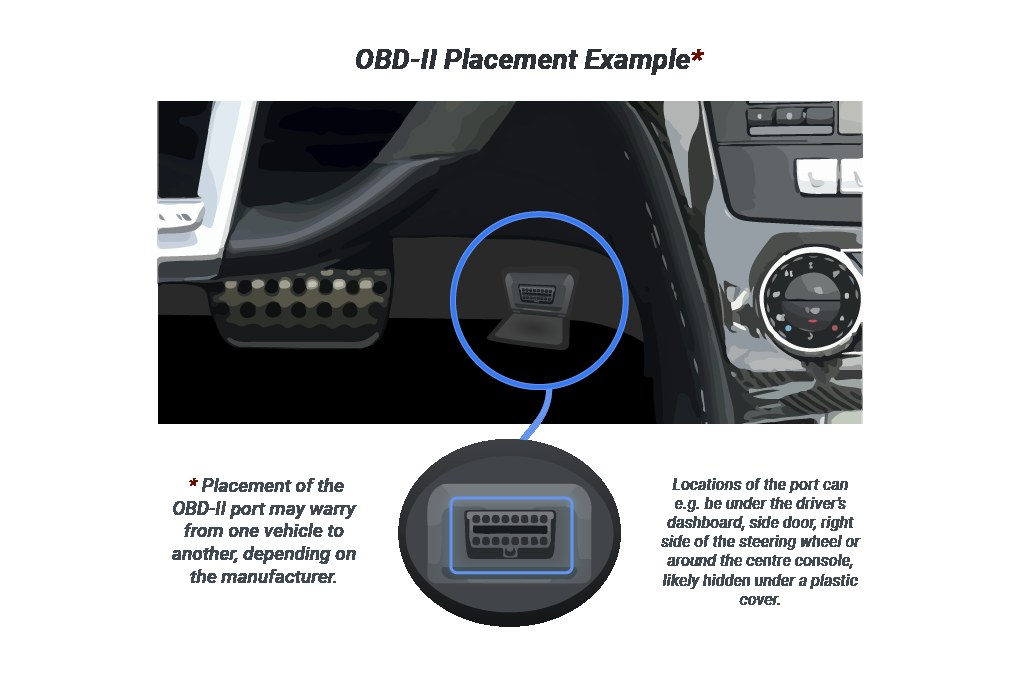
Before diving into causes, it helps to understand how your scanner talks to your car. The OBD2 system is standardized on most gasoline vehicles sold in the United States since 1996. That means one scanner can plug into many different cars.
Port Location, Ignition Mode, and Model-Year Coverage
Your OBD2 port is usually under the dashboard on the driver’s side. It is often near the steering column or the fuse panel. If you cannot find it, check your owner’s manual.
For the scanner to communicate, the ignition must be in the “on” position, not just “accessory” and not while cranking. Some cars need the engine off, but the key turned forward. Others work with the engine running. If your scanner says “No Codes” but does not even link to the vehicle, you may be in the wrong ignition mode.
Model-year coverage matters too. A scanner made for older cars may not read newer protocols. If your vehicle is a recent model, check the scanner’s compatibility list before assuming your car has no codes.
Scanner Firmware, App Permissions, and Bluetooth Pairing
If you use a Bluetooth scanner with a phone app, the problem might not be your car. The scanner’s firmware may be outdated. The app may not have permission to access the Bluetooth connection. Or the dongle may be paired to a different device.
Try deleting the pairing, restarting the app, and reconnecting. Also check for firmware updates in the app’s settings. A simple update can fix “No Codes” errors on vehicles that use newer communication protocols. If you still cannot connect, read our guide on why your OBD2 scanner will not connect to your car.
6 Reasons Your OBD2 Scanner Says No Codes While the Check Engine Light Is On
Here are the most common reasons for this frustrating situation. Work through them in order.
Pending Codes vs. Stored Codes: The Most Common Culprit
A stored code is a confirmed fault that the computer has seen enough times to save. A pending code is a fault that happened once or twice but has not met the threshold yet. Your scanner may show “No Codes” if it only reads stored codes, while the check engine light stays on because a pending code is being tracked.
Many scanners have a separate menu for pending codes. Look for “Pending,” “Readiness,” or “I/M Readiness.” If you see a pending code there, that is your clue. Learn more about what a pending code means on an OBD2 scanner.
Intermittent Faults, EVAP Leaks, and Loose Gas Caps
Some faults come and go. A loose gas cap is a classic example. The EVAP system detects a small leak, the check engine light comes on, and then the cap seals correctly on the next drive. The code may stay pending rather than stored, or it may clear itself after several good trips.
Other intermittent faults include worn spark plug wires, a failing sensor, or a loose electrical connector. These can trigger the light without leaving a permanent code. If the condition only happens under certain temperatures or loads, your scanner may never see it during a quick check.
Understanding pending codes saves you from replacing parts blindly. A pending EVAP code often points to a gas cap, which costs little to fix. Checking that cap first can save you a shop diagnostic fee.
Weak Battery, Failing Alternator, and Voltage Issues
A weak battery can cause all kinds of electrical gremlins. When the voltage drops, sensors may send odd signals, and the engine computer may not have enough power to store codes properly. Your scanner might power on, but the car’s computer may be too busy or too weak to respond.
Check the battery voltage with the engine off. A healthy battery usually reads around 12.6 volts. With the engine running, it should be higher. If you see low voltage, test the battery and alternator. A failing alternator can cause the check engine light to flicker with no stored codes. For more on this, see our article on why a car battery tests good but still dies.
Aftermarket Modifications and Scanner Incompatibility
Aftermarket parts can confuse a scanner. A modified engine tune, aftermarket oxygen sensors, or a swapped engine may use different data streams. Your scanner may not understand them, so it reports no codes even though the factory computer has one.
Scanner compatibility also varies by brand. A basic code reader may only read powertrain codes. It cannot see ABS, airbag, or body control module codes. If your check engine light comes from a less common module, your scanner may not be able to retrieve it. Check your scanner’s specifications to see which systems it covers.
Check: Verify your scanner supports your vehicle’s make, model, year, and communication protocol. Limitations: Basic code readers often only read engine codes, not ABS, SRS, or hybrid system codes.
What Your OBD2 Scanner Can and Cannot See
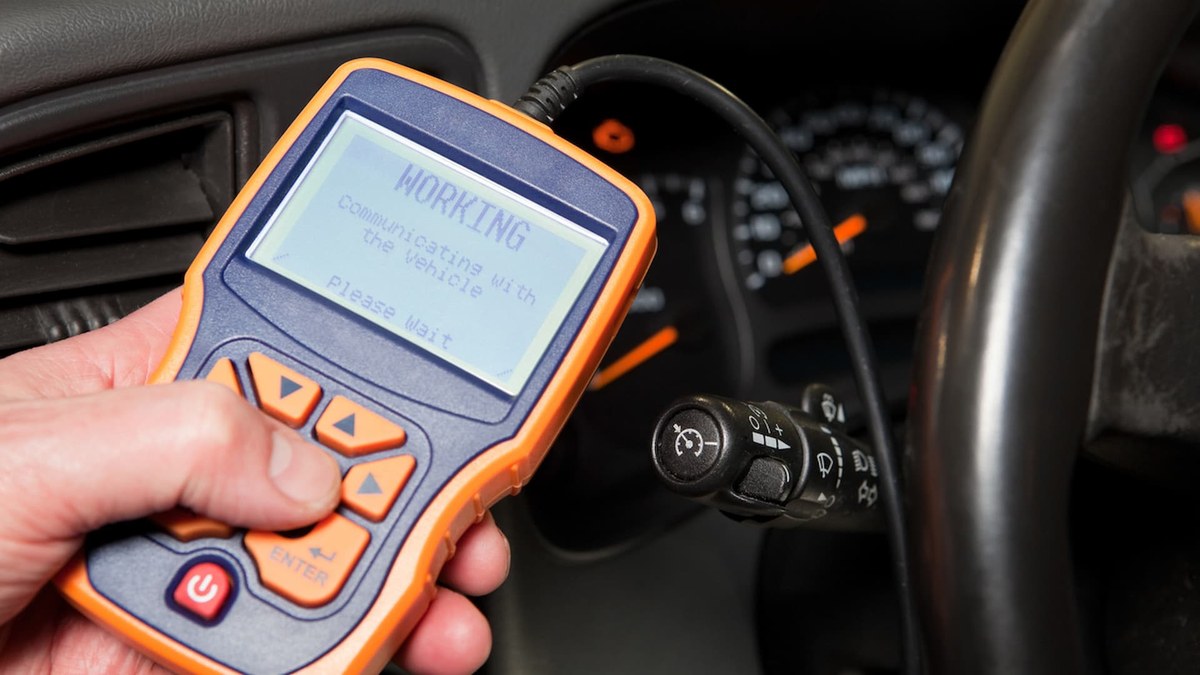
Knowing your scanner’s limits helps you avoid wasted time.
Live Data, Freeze-Frame Data,and Code Limits
Live data shows real-time sensor readings like coolant temperature, engine RPM, and oxygen sensor voltage. Freeze-frame data records what the engine was doing when a code was set. These tools can help you spot a problem even when no code is stored.
For example, if the coolant temperature reads cold after driving for 20 minutes, you know the thermostat may be stuck open. That condition can trigger a check engine light without a stored code if the computer has not confirmed it yet. Live data gives you clues that codes cannot.
Emissions Readiness, Reset Limitations,and Scanner Tiers
Emissions readiness monitors tell you whether your car’s self-tests have run. Some states require these monitors to be “ready” before you can pass an emissions test. Clearing codes resets these monitors, which can cause you to fail if you go for testing too soon.
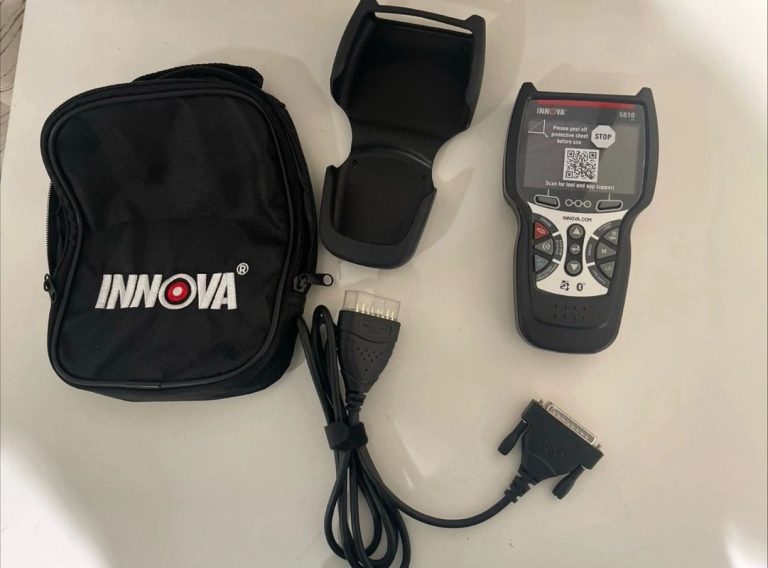
Scanner tiers matter. A cheap code reader can clear codes and read basic data. A mid-range scanner adds live data, pending codes, and ABS or airbag codes. A professional bidirectional scanner can command parts to turn on, which helps pinpoint faults. If you are serious about DIY diagnostics, read our comparison of cheap vs. expensive OBD2 scanners.
Step-by-Step: How to Diagnose a Check Engine Light With No Codes
Follow these steps in order. Take your time and stay safe.
Steps 1-3: Confirm the Light, Check the Basics,and Verify Your Scanner
Step 1: Confirm the light is really the check engine light. Some dash lights look similar. Make sure it is not a maintenance reminder or a tire pressure light. If it is a tire pressure issue, see our guide on why the tire pressure light comes on when tires are fine.
Step 2: Check the basics. Make sure the gas cap is tight. Look for obvious loose wires, damaged hoses, or fluid leaks. A quick visual check can catch a simple issue before you dig deeper.
Step 3: Verify your scanner works. Plug it into another vehicle if possible. If it reads codes there, your scanner is fine. If it shows “No Codes” on every car, the scanner or its connection may be faulty.
Steps 4-5: Read Pending Codes and Monitor Live Data
Step ️4: Check pending codes. Look for a separate “Pending” or “I/M Readiness” menu on your scanner. Write down any pending code numbers. Even if the light is on, a pending code can point you to the right system.
Step ️5: Monitor live data. With the engine running, watch the coolant temperature, fuel trim, and oxygen sensor readings. Compare them to normal values if you know them. Sudden jumps or stuck readings can reveal a failing sensor.
Step ️6: Test the Battery Safely(Voltage, Connection Order, Hybrid/EV Cautions)
Step ️6: Test the battery. Use a digital multimeter to check voltage at the battery terminals. With the engine off, a healthy battery usually reads around 12.6 volts. With the engine running, it should rise to around 13.5 to 14.5 volts. If it stays low, the alternator may be weak.
Step ️7: Clear the Codes and Track What Comes Back
If you find no codes but the light is on, you can try clearing the codes with your scanner. This resets the check engine light. Then drive for a few days and see if it comes back. If it does, you now have a stored code to work with. If it does not, the problem may have been a temporary glitch.
Be careful: clearing codes also resets emissions readiness monitors. If you need an emissions test soon, clearing codes can cause you to fail. Also, if the underlying problem is still there, the light will likely return. Learn more about why your check engine light comes back after clearing codes.
Make sure it is not a maintenance reminder or TPMS light.
Tighten the gas cap and look for obvious damage.
Test it on another vehicle if possible.
When to Stop Guessing and Call a Professional
DIY diagnostics can save money, but they have limits. Some problems need factory-level tools and training.
Safety-Critical Systems and Factory-Level Diagnostics
If your check engine light is flashing, that is different from a steady light. A flashing light means a severe misfire that can damage the catalytic converter. Stop driving soon and have the car towed to a shop. Do not rely on a basic scanner for this.
Airbag, ABS, steering, and hybrid battery systems also need special diagnostic tools. A basic OBD2 scanner cannot read those codes. Attempting to fix these systems without proper training can create serious safety risks.
DIY vs. Professional: Real Costs and Limitations
A basic OBD2 scanner costs less than a single shop diagnostic visit. But it cannot fix the problem. If you spend hours guessing, you may replace parts that were fine. A professional diagnostic fee often includes a thorough inspection and a clear answer.
Consider your time and skill level. If you are comfortable checking simple things like gas caps and battery voltage, start there. If the problem involves wiring, fuel systems, or advanced electronics, a professional is safer. A shop with factory-level scan tools can read every module and perform tests your handheld scanner cannot.
Your Next Steps: Protect Your Car, Your Wallet,and Your Safety
You now know why “No Codes” does not mean “No Problem.” Here is what to do next.
Track Symptoms and Know Your State’s Emissions Rules
Write down when the light comes on. Does it happen on cold mornings? After highway driving? When the gas tank is low? These details help a mechanic find the issue faster.
Also check your state’s emissions testing rules. In many states, a check engine light that is on will cause you to fail an emissions test. Some states allow one or two “not ready” monitors, but others do not. Clearing codes before a test can make things worse. Know your local rules before you reset anything.
Bluetooth OBD2 scanners collect vehicle data like VIN, codes, and live sensor readings. Some apps store that data in the cloud or share it with third parties. Check the app’s privacy policy before connecting it to your car, especially if you use a free app.
Upgrade Your Scanner or Visit a Shop: Making the Call
If you regularly work on your own car, consider upgrading to a scanner that reads pending codes, live data, and multiple systems. Look for one that supports your vehicle’s specific protocols. A good mid-range scanner can pay for itself in one avoided shop visit.
If you are not a regular DIYer, a professional diagnostic is probably worth the cost. You will get a clear answer faster, and you avoid buying tools you may not use again. The choice depends on your budget, your vehicle’s age, and how much you enjoy working on cars.
- Best for: Drivers who see a check engine light but no stored codes should start with pending codes, live data, and a battery voltage check.
- Think twice if: The light is flashing, the vehicle is a hybrid or EV, or you are not comfortable with electrical testing. In those cases, call a professional.
- Next step: Tighten the gas cap, check pending codes, and test the battery before clearing anything. Track what happens over the next few drives.
Frequently Asked Questions
Yes. The check engine light can turn on without a stored diagnostic trouble code. This often happens with pending codes, intermittent faults, weak battery voltage, or a scanner that only reads certain modules.
A pending code is a fault that has happened once or twice but has not been confirmed by the engine computer. It may not turn on the check engine light yet, but it can explain why a scanner shows no stored codes.
Clearing codes does not fix the underlying problem. If the fault is still present, the engine computer will detect it again and turn the light back on. This is common with loose gas caps, failing sensors, and EVAP leaks.
Yes. Low battery voltage can confuse sensors and cause the engine computer to log incomplete data. A healthy battery usually reads around 12.6 volts with the engine off and higher with the engine running.
Common causes include the ignition not in the ‘on’ position, a blown fuse in the OBD2 port, a Bluetooth pairing issue, outdated scanner firmware, or an incompatible scanner for your vehicle’s protocol.
If the light is steady, you can usually drive short distances while you diagnose. If the light is flashing, stop driving soon and call a professional. A flashing light means a serious misfire that can damage the catalytic converter.




3 Comments