How Often Should You Check Tire Pressure in Winter? Every Two Weeks
Check your tire pressure at least every two weeks in winter. Do it when tires are cold, before a long drive, and after any big temperature swing.
The short answer to how often should you check tire pressure in winter is every two weeks. That two-week interval gives you a real safety margin against temperature swings, slow leaks, and the extra demands winter puts on your tires.
In this guide, I’ll explain why two weeks is the right baseline, when to check sooner, how to find the correct pressure for your vehicle, and how to handle a winter puncture without turning it into a bigger problem.
- Two-week baseline: Cold weather makes pressure drop, so check every 14 days or before long trips.
- Use the placard: Inflate to the psi on the driver’s door jamb, never the tire sidewall maximum.
- Measure cold: Check before driving or after the vehicle has sat for at least three hours.
- TPMS has limits: It warns late and can’t measure tread depth or sidewall damage.
- Repairs need care: Plugs are temporary, and state inspection rules vary for winter tire repairs.
The Short Answer: Check Your Tire Pressure Every Two Weeks in Winter
Why Two Weeks Is the Right Baseline Interval for Cold Weather
All tires lose a small amount of air over time, and winter makes that loss more noticeable. Cold air is denser, so every drop in temperature lowers the pressure inside the tire. Checking every two weeks lets you catch a slow leak before it turns into a dangerous drive.
For most drivers, a twice-monthly check is easy to remember. Pair it with something you already do, like paying a bill or filling the gas tank.
When to Check More Often: Sudden Temperature Drops and Long Trips
Check before you drive after a sudden temperature drop of 10 degrees or more. Also check before any long trip, after hitting a pothole or curb, and after driving on rough winter roads. If your vehicle sits unused for several days, check before the first start.
Why Cold Weather Makes Tire Pressure Drop
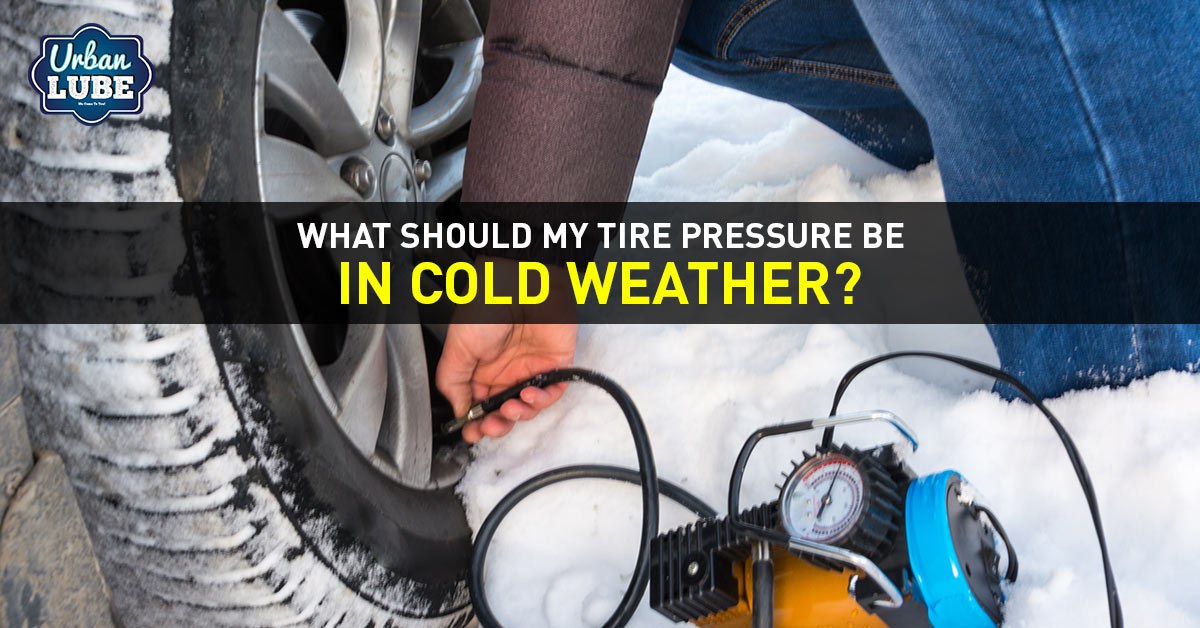
The 10-Degree Rule: How Much PSI You Lose Per 10°F Drop
For every 10°F drop in outside temperature, tire pressure drops by roughly 1 psi. That means a 30°F overnight chill can knock 2 or 3 psi off a tire that was fine the day before. The same rule works in reverse: when temperatures climb, pressure climbs too.
How Underinflation Hurts Winter Traction, Braking, and Handling
Underinflated tires flex more than they should, which changes the shape of the contact patch. On snow or ice, the tread may not press evenly, so braking and cornering can feel vague or delayed. Low pressure also raises the risk of a sidewall failure if you hit a sharp pothole.
If you need to move a vehicle before adding air, understand the real risks of driving with low tire pressure.
Hidden Ownership Costs: Fuel Economy and Premature Tire Wear
Underinflated tires increase rolling resistance, so the engine works harder and fuel economy drops. The extra flex also generates heat that wears the tread faster, especially on the outer edges. Over a winter, that can mean replacing tires months earlier than expected.
Finding the Correct Pressure: Door-Jamb Placard vs. Sidewall
How to Read the Door-Jamb Placard for Your Exact Vehicle
The number you need is printed on a placard usually located on the driver’s side door jamb, inside the fuel door, or in the glovebox. It lists the recommended psi for front and rear tires, and sometimes a separate pressure for a full load. That number was set by the vehicle manufacturer for your specific vehicle.
Cold Pressure: Always Measure Before You Drive
Cold pressure means the tire has not been driven for at least three hours, or driven less than a mile at low speed. Heat from driving raises the pressure, so a warm reading will look higher than the true cold value. Measure first thing in the morning when possible. If you want to know the exact wait time, see our guide on how long you should wait to check tire pressure after driving.
Why You Should Never Use the Sidewall Maximum Pressure
The sidewall lists the maximum pressure the tire can physically hold, not what your vehicle needs. Using that number can make the ride harsh, reduce traction, and increase the risk of impact damage. Always follow the placard, not the tire brand.
Using Tire Gauges and Inflators Correctly in Winter
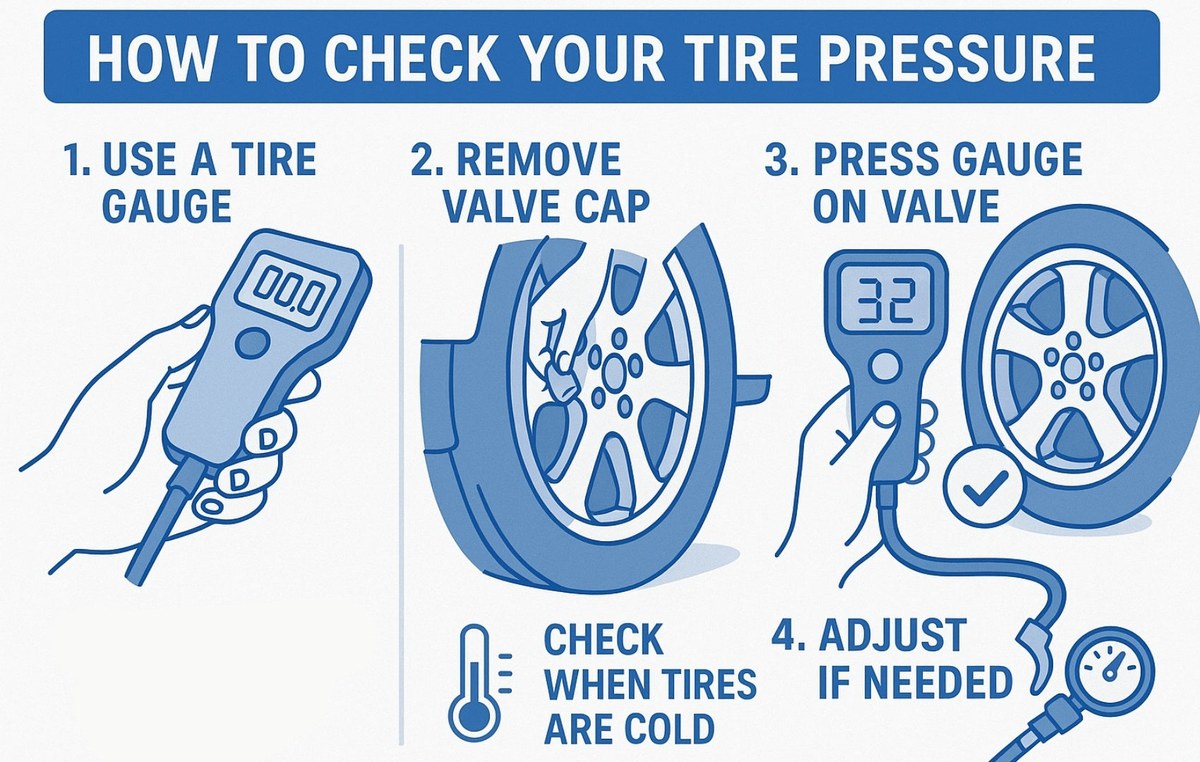
Digital vs. Analog vs. Pencil Gauges: Accuracy and Cost
Digital gauges are usually the easiest to read in winter light and tend to hold their accuracy longer. Analog dial gauges are reliable if you keep them protected, and pencil gauges are cheap and small but harder to read precisely. If you are deciding between the two common styles, our digital vs. analog tire pressure gauge guide can help.
Gauge Accuracy: When to Replace a Cheap or Old Gauge
A gauge that gives a different reading every time is not doing you any favors. Dropping it on pavement, exposing it to road salt, or leaving it in a hot trunk can throw it off. If two gauges disagree by more than 2 or 3 psi, replace the suspect one.
Inflator Duty Cycle: Why Budget Pumps Overheat in Cold Weather
Portable inflators have a duty cycle, which is the run time they allow before a cool-down period. A budget pump may run for a few minutes and then need rest. In winter, tires start with less air, so the pump works longer and can overheat or shut off. Check the duty cycle in the manual before you depend on it.
TPMS: What the Dashboard Does and Doesn’t Tell You
Direct vs. Indirect TPMS: Model-Year and Protocol Coverage
Direct TPMS uses sensors inside each wheel to send pressure readings. Indirect TPMS uses the anti-lock brake sensors to compare wheel speeds and estimate when a tire is low. Most 2008 and newer passenger vehicles sold in the U.S. have some form of TPMS, but the warning threshold varies by manufacturer.
TPMS Relearn Limits and Sensor Battery Life
Direct sensors have batteries that eventually wear out, usually after several years of service. After a tire rotation or sensor replacement, the system often needs a relearn procedure using a tool or the vehicle’s menu. An old sensor can fail without warning, so don’t assume the system will always tell you the truth.
Why TPMS Cannot Replace a Manual Two-Week Check
TPMS usually warns you only after pressure drops by about 25 percent below the placard number. By that point, handling and tire wear are already affected. It also can’t tell you about tread depth, sidewall cracks, or a slow leak that hasn’t reached the threshold yet. If you have ever seen a light stay on when the tires look fine, check our explanation of why your tire pressure light comes on when tires are fine.
Winter Punctures and Repairs: Know Your Limits
Puncture Location: What Is Repairable and What Isn’t
A puncture in the center tread area is often repairable if the hole is small and the tire hasn’t been driven flat. Sidewall punctures, shoulder damage, and holes near the edge of the tread are generally not safe to repair. When in doubt, let a professional inspect the tire.
Temporary-Repair Limits: Plug Kits and Sealant Cans
A plug kit or sealant can is meant to get you to a shop, not to last the rest of winter. Sealant can also coat a TPMS sensor and make it fail, so tell the shop if you used it. A proper repair usually needs a patch from the inside after the tire is removed. To understand why, compare tire plug vs. patch which is safer.
Professional-Repair Thresholds: When a Shop Must Handle It
Take the tire to a shop if the puncture is in the sidewall, larger than the kit’s limit, or if the tire lost enough air to be driven on while flat. A shop can also check the inside for damage and verify the repair holds under load. Don’t risk a blowout to save a few dollars.
State Inspection Rules: Where Legal Variation Matters
Some states include tire condition in safety inspections, and repair standards can differ. A tire that was plugged in one state may not pass inspection in another. Check with your state’s motor vehicle department or a licensed inspection station before relying on a temporary repair.
Build Your Two-Week Winter Tire Check Routine
Step-by-Step: Pressure, Tread Depth, and Visual Inspection
Start with a visual check: look for bulges, cuts, nails, and uneven wear. Then measure pressure when tires are cold and add air to the placard number. Finally, check tread depth with a gauge or a penny; if you can see Lincoln’s head, the tread is too shallow.
- Check pressure when tires are cold and at least three hours after driving.
- Use the placard pressure for front, rear, and spare if equipped.
- Look for sidewall bulges, cracks, nails, and uneven tread wear.
- Don’t inflate to the maximum number printed on the tire sidewall.
- Don’t clear a TPMS warning without checking all four tires with a gauge.
- Don’t treat a plug or sealant as a permanent winter repair.
Tools to Keep in Your Trunk for Winter Tire Maintenance
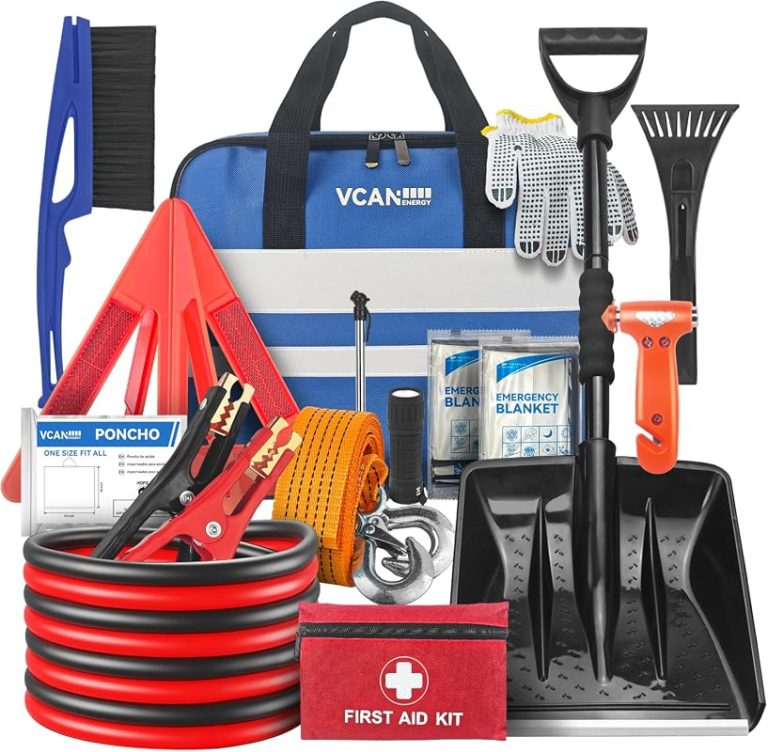
A good digital gauge, a portable inflator with a long enough hose, a tread depth gauge, gloves, and a flashlight belong in your winter kit. If you have a spare tire, check its pressure too. A roadside emergency kit for winter driving is a smart addition if you spend time on snowy roads.
When to Visit a Professional: Leaks, TPMS Faults, and Alignment
If a tire loses more than 1 or 2 psi over a week, there’s likely a slow leak. A shop can test the valve stem, bead, and tread for leaks. If your TPMS light blinks or won’t reset after proper inflation, the sensor or relearn procedure may need attention. Also have the alignment checked if you see uneven wear or the car pulls to one side.
The Bottom Line: Consistent Checks Beat a Perfect Gauge
The exact number on the gauge matters less than making a habit of checking. A simple two-week routine will catch most winter tire problems before they become emergencies. You don’t need an expensive gauge or a new TPMS sensor; you need a regular schedule and the correct placard pressure.
- Best for: Drivers who want a simple winter tire safety habit without obsessing over daily measurements.
- Think twice if: You have a slow leak, an aging TPMS sensor, or tires that lose more than 1–2 psi in a week; those need professional attention.
- Next step: Write your next two-week check date on your phone or garage calendar, and keep a dependable gauge and inflator in your trunk.
Frequently Asked Questions
Yes, for most drivers. Cold weather causes pressure to drop, and a two-week check catches slow leaks before they become dangerous. If you drive rarely, check before every long trip.
For every 10°F drop in outside temperature, tire pressure drops by roughly 1 psi. That means a 20°F temperature swing can lower your pressure by about 2 psi.
No. The sidewall shows the tire’s maximum pressure, not your vehicle’s recommended pressure. Use the number on the door-jamb placard for your exact vehicle.
No. TPMS usually warns after pressure drops by about 25 percent, which is already enough to affect handling and tire wear. It also can’t detect tread depth or sidewall damage.
Only as a temporary repair to get to a shop. Plugs are not a permanent fix, and sealant can damage TPMS sensors. A professional patch from the inside is safer.
Yes. Some states include tire condition in safety inspections, and repair standards vary. A plugged tire may not pass in every state, so check local rules before relying on it.