Can You Jump Start a Car with a Lithium Jump Starter in Cold Weather
Yes, a lithium jump starter can start a car in cold weather, but freezing temperatures reduce pack capacity and demand a fully charged, correctly rated unit. Never boost a frozen or damaged battery, and keep the pack warm and maintained through winter.
If you are asking can you jump start a car with a lithium jump starter in cold weather, the direct answer is yes — but freezing temperatures change how the pack performs, how long it delivers power, and how safe the boost really is. A lithium jump starter is a strong winter tool when you match it to your engine, keep it charged, and follow a careful connection sequence.
- Cold cuts capacity: Freezing temperatures reduce both the vehicle battery’s cranking power and the jump starter’s usable.
- Match the rating: Choose a pack with enough cranking amps for your engine size and a published.
- Stop on damage: Never jump start a frozen, swollen, cracked, or leaking battery; call a professional instead.
- Maintain monthly: Store the pack in a cool, dry place, check its charge monthly, and recharge.
- Practice first: Test the connection sequence in daylight before you need it on a dark, snowy.
The Short Answer: Yes, But Cold Weather Changes the Rules
Lithium jump starters work on the same 12-volt principle in January as they do in July. The difference is that cold slows the chemistry inside the pack, so a unit that starts a V6 easily at 70°F may struggle with the same engine at 10°F. The pack also has to overcome thicker engine oil and a weaker vehicle battery at the same time.
Why Lithium Jump Starters Work Differently in Sub-Freezing Temperatures
Cold reduces the usable capacity of lithium-ion cells and raises internal resistance. Many manufacturers publish an operating temperature range for their jump starters, and that range varies by model. Check the manual before you rely on the pack in extreme cold, and keep it fully charged.
The vehicle side matters just as much. Cold oil makes the engine harder to turn over, and a cold lead-acid battery delivers less cranking power. A fully charged lithium pack with a high peak-ampere rating handles that double load better than a pack that has been sitting half-charged in a trunk for months.
When You Should Not Attempt a Jump Start at All
Do not jump start a vehicle if the battery case is swollen, cracked, leaking, or frozen. A frozen battery can release hydrogen gas, and a damaged battery can fail violently during a boost. If the battery looks damaged, call a professional and do not connect the clamps.
Why Cold Weather Drains Both Your Car Battery and Your Jump Starter
How Low Temperatures Reduce Battery Chemistry and Cranking Power
Cold affects every lead-acid starter battery. At freezing temperatures, a battery loses a meaningful share of its cranking capacity, and the loss grows as the temperature drops. The engine also needs more torque because cold oil is thicker, which is why the classic winter no-start happens.
Your lithium jump starter is not immune. Its cells also deliver less usable energy when cold, and the pack’s internal protection circuits may limit output until the pack warms. That is a safety feature, but it means a pack that feels strong in the fall can feel weak in January.
State of Charge vs. State of Health: What a Cold Cranking Failure Actually Tells You
A car that cranks slowly in cold weather may have a battery that is simply low on charge, or it may have a battery that is aging and losing capacity. A low state of charge means the battery can recover with a proper charge. A low state of health means the battery is nearing the end of its useful life even when fully charged.
Jump starting gets you moving, but it does not repair the underlying problem. If your battery fails again within a few days, have it tested with a battery tester to see whether the issue is charge, health, or something else in the starting system.
System Voltage Basics: Why 12V Still Matters in a 2026 Vehicle
Nearly all modern cars, trucks, and SUVs still use a 12-volt electrical system for starting, lights, and accessories, including many 2026 models. Some hybrids and EVs also use a 12-volt accessory battery. A lithium jump starter designed for 12-volt systems remains the right tool for those vehicles, but you must know where the accessory battery is located and how to reach it safely.
What to Look For in a Lithium Jump Starter Built for Winter Use
Peak Amps vs. Cranking Amps: Matching the Pack to Your Engine Size
Peak amps describe the maximum surge the pack can deliver for a very short burst. Cranking amps describe sustained output over a few seconds, which is closer to what a starter motor actually needs. A big V8 or diesel needs more cranking power than a small four-cylinder, so check the pack’s rating against your engine size.
Understanding how many amps you need to jump start a car helps you avoid buying a pack that is too weak for your vehicle. When in doubt, choose a pack with more headroom than the minimum recommendation.
Operating Temperature Ratings and Internal Protection Circuits
Look for a published operating temperature range in the product manual. Some packs are rated for sub-zero use; others are not. Internal protection circuits guard against reverse polarity, over-current, and over-temperature, which matter more in cold weather when the pack is working harder.
Also check for low-temperature protection. Some packs refuse to output power until the cells reach a minimum temperature. That is a safety feature, not a defect, but it means you may need to warm the pack before use.
Port Quality, Cable Gauge, and Clamp Design for Gloved Hands
Thick, flexible cables carry current more efficiently and stay manageable in cold weather. Clamps with strong springs and wide jaws are easier to use with gloves. A pack with a clear polarity indicator and audible beeps reduces the chance of a reverse-polarity mistake on a dark, snowy roadside.
Choosing a jump starter for your car means checking more than the amp rating. Cable length, clamp quality, and the pack’s physical size all affect how easy the tool is to use in a winter emergency.
Step-by-Step: How to Jump Start a Car in Freezing Temperatures
Safe Location and Traffic Visibility Before You Pop the Hood
Move the vehicle as far off the road as possible before you begin. Turn on the hazard lights, set the parking brake, and place reflective triangles or flares if you have them. Wear a high-visibility vest if you are near moving traffic, and never work on the traffic side of the vehicle if you can avoid it.
Correct Connection Order and Damaged-Battery Stop Conditions
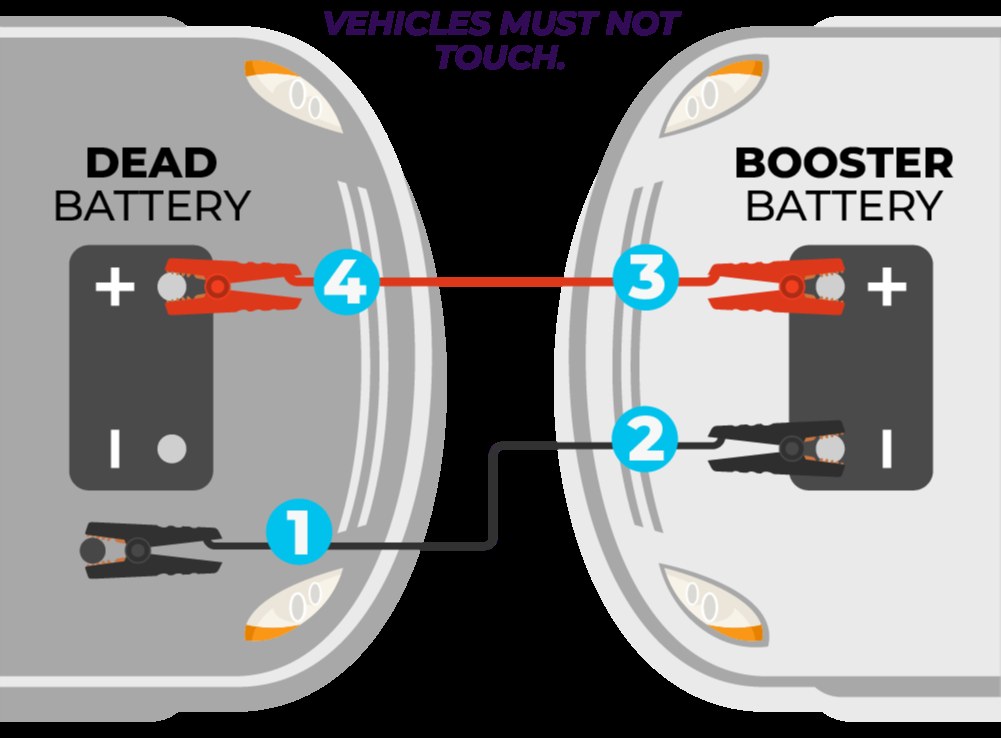
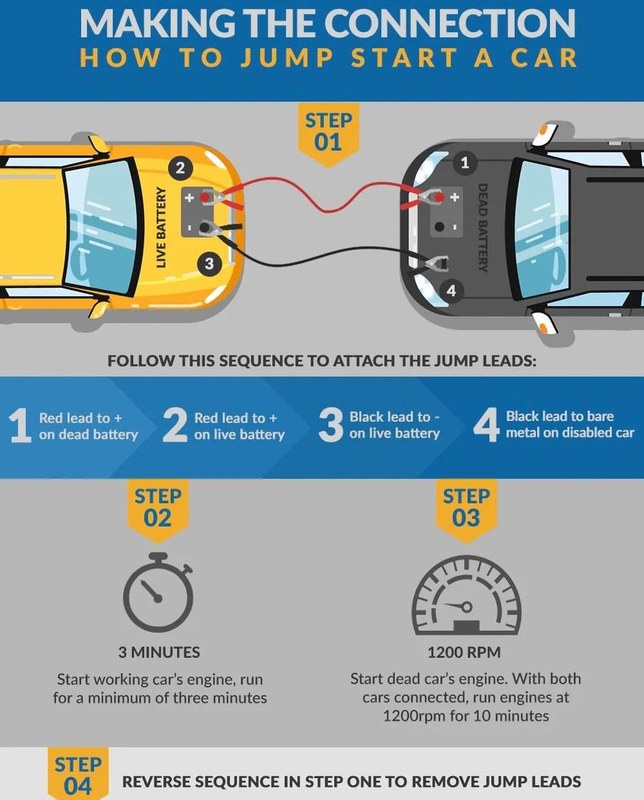
Follow the connection order printed on the jump starter. In most cases, you connect the red clamp to the positive terminal, then the black clamp to a clean, unpainted metal ground on the engine block or chassis, not to the negative battery terminal. If the pack warns of reverse polarity, stop and check the clamps before continuing.
Stop immediately if you see smoke, hear hissing, or notice the battery case warming rapidly. Disconnect the clamps in reverse order and call a professional.
- Confirm the jump starter is fully charged and rated for your engine size
- Connect the red clamp to the positive terminal first, then the black clamp to a grounded metal point
- Warm the pack inside the vehicle cabin if the manual allows it
- Don’t jump start a battery that is frozen, cracked, swollen, or leaking
- Don’t connect the black clamp to the negative battery terminal on a modern vehicle unless the manual says to
- Don’t crank for more than the pack’s recommended limit without a rest period
Cranking Limits, Rest Periods, and Post-Start Disconnect Sequence
Most jump starters recommend short cranking bursts, usually a few seconds, followed by a rest period. Repeated long cranks drain the pack and stress the starter motor. After the engine starts, leave the clamps connected briefly so the alternator can stabilize the system, then disconnect in reverse order.
Common Cold-Weather Jump Start Mistakes and Hard Limitations
Why a Frozen or Damaged Battery Requires a Tow, Not a Boost
A frozen battery can crack internally and may not accept a charge safely. If the battery is frozen, no jump starter will fix it. The correct move is a tow to a shop where the battery can be inspected, thawed, tested, and replaced if needed. A portable jump starter can damage a car battery — or worse — when the battery is already compromised.
Hybrid and EV Cautions: Jump Starting a 12V Accessory Battery Safely
Hybrids and EVs still have a 12-volt accessory battery that can die in cold weather. Jump starting that battery is safe when you follow the vehicle manual, but the high-voltage battery pack is a separate system. Never connect a jump starter to high-voltage terminals or orange cables. If you are unsure where the 12-volt battery is, check the owner’s manual before you pop the hood.
Current Limits and Tool Completeness: When a Jump Starter Is Not Enough
A jump starter only provides starting power. It will not fix a dead alternator, a seized starter, or a deeply discharged battery that cannot hold a charge. If the engine cranks strongly but will not start, the problem may be fuel, spark, or sensors, and a jump starter will not help.
Storing and Maintaining Your Lithium Jump Starter Through Winter
Ideal Storage Temperatures and Charge Levels Between Uses
Store the pack in a cool, dry place, ideally inside the cabin rather than the trunk in extreme cold. Most lithium packs hold their charge best at moderate temperatures and at a charge level recommended by the manufacturer. Check the charge level monthly during winter and top it up before a long trip.
Post-Use Inspection: Cable Condition, Pack Damage, and Recharge Habits
After each use, inspect the cables for cuts, the clamps for corrosion, and the pack for swelling or cracks. Recharge the pack fully before storing it. A pack that will not hold a charge, beeps repeatedly, or shows a damaged case should be replaced.
Lithium Jump Starter vs. Jumper Cables vs. Lead-Acid Booster Pack
Side-by-Side Comparison: Power, Portability, Safety, and Cost
| Option | Best for | Owner consideration | Driver consideration |
|---|---|---|---|
| Lithium jump starter | Quick, independent boosts in cold weather | Compact, needs periodic recharging, higher upfront cost | Works without a second vehicle; keep it charged |
| Jumper cables | Drivers with access to a second vehicle | Low cost, no charging needed, long lifespan | Requires a good Samaritan and correct clamp order |
| Lead-acid booster pack | Heavy-duty use with large engines | Heavy, bulky, needs maintenance, longer lifespan | Delivers steady power but is harder to store and carry |
Which Option Fits Your Driving Profile and Vehicle Type
For most daily drivers, a lithium jump starter is the best balance of size, power, and convenience. Towing or hauling drivers with large diesel engines may prefer a heavier lead-acid pack or a high-output lithium pack rated for diesel use. Drivers on a tight budget who always have access to a second vehicle can rely on quality jumper cables.
Ownership Cost, Lifespan, and Replacement Signals
How Long a Lithium Jump Starter Lasts and When to Retire It
Lithium jump starters typically last several years with proper care, but their capacity fades over time and with charge cycles. A pack that struggles to start an engine it used to start easily, takes much longer to recharge, or shows visible swelling is telling you it is time to replace it.
Warranty, Support, and What to Verify Before You Buy in 2026
Before you buy, check the warranty length, the return policy, and whether the manufacturer offers support in the United States. In 2026, many packs include USB-C charging, LED work lights, and smart protection circuits, but those features vary by model. Read the manual’s cold-weather section and confirm the pack’s temperature rating matches your climate.
Final Verdict: Should a Lithium Jump Starter Be in Your Winter Emergency Kit?
Who Benefits Most and What to Pair It With
Commuters, parents, rideshare drivers, and anyone who parks outside in cold climates benefit most from a lithium jump starter. Pair it with a complete roadside emergency kit that includes a phone charger, flashlight, reflective vest, gloves, and basic tools. A jump starter solves the no-start problem, but it does not replace the other essentials.
Your Next Steps: Testing, Practice, and Knowing When to Call a Professional
Test your jump starter at home before you need it. Practice the connection sequence once in daylight, verify the charge level, and read the manual’s cold-weather guidance. If a jump start fails after two attempts, stop and call a professional. Repeated failures point to a deeper problem that a portable pack cannot solve.
- Best for: Drivers who park outside in cold climates and want a compact, independent way to start a car with a dead 12-volt battery.
- Think twice if: You drive a large diesel, own a vehicle with a hard-to-reach accessory battery, or expect the pack to fix a damaged or frozen battery.
- Next step: Check the pack’s operating temperature rating, keep it charged monthly, and practice the connection sequence before winter arrives.
Frequently Asked Questions
Yes, but cold weather reduces the pack’s usable capacity and increases the engine’s cranking demand. A fully charged lithium jump starter rated for your engine size can start most 12-volt vehicles in freezing temperatures, provided the battery is not frozen or damaged.
The safe operating temperature range varies by model, so check the manufacturer’s manual. Some packs are rated for sub-zero use while others limit output until the cells warm up. If the pack has been sitting in extreme cold, warm it inside the cabin before use.
Check the charge level monthly and top it up before a long trip or a predicted cold snap. Store the pack in a cool, dry place, preferably inside the cabin rather than a freezing trunk. Recharge it fully after every use.
Used correctly, a lithium jump starter is safe for a healthy 12-volt battery. Damage is more likely when the battery is frozen, cracked, or deeply damaged, or when the clamps are connected in the wrong order. Always follow the connection sequence in the manual.
Yes, if the vehicle has a 12-volt accessory battery and the manual allows it. Never connect the jump starter to high-voltage terminals or orange cables. Check the owner’s manual for the accessory battery location before you begin.
Most lithium jump starters last several years, but capacity fades with charge cycles and time. Replace the pack if it struggles to start an engine it used to start easily, takes much longer to recharge, or shows visible swelling or damage.