What Happens If You Overinflate a Tire and How to Fix It
Overinflating a tire shrinks the contact patch, causing a harsher ride, reduced grip, and faster center-tread wear. Fix it by bleeding air down to the placard pressure with a reliable gauge.
If you’ve ever wondered what happens if you overinflate a tire, the short answer is that the tire becomes rounder, stiffer, and less able to grip the road. Overinflated tires also wear faster in the center of the tread and make the ride noticeably harsher. The good news is that this is one of the easiest tire problems to fix, and you can usually correct it in minutes with a quality gauge.
- Contact patch: Overinflation makes the center of the tread bulge, reducing grip and braking performance.
- Placard vs. sidewall: Use the door-jamb placard pressure, never the maximum number printed on the tire sidewall.
- TPMS limits: Most tire pressure monitoring systems warn about low pressure, not overinflation.
- Quick fix: Bleed air in short bursts with a reliable gauge until the cold pressure matches.
- Hidden damage: Sidewall bulges, deep center wear, or slow leaks after correction need a professional inspection.
What Happens If You Overinflate a Tire: The Short Answer
Overinflation means the air pressure inside the tire is higher than the vehicle manufacturer’s recommended setting. That extra pressure changes the tire’s shape and the way it contacts the road.
How Overinflation Shrinks the Contact Patch
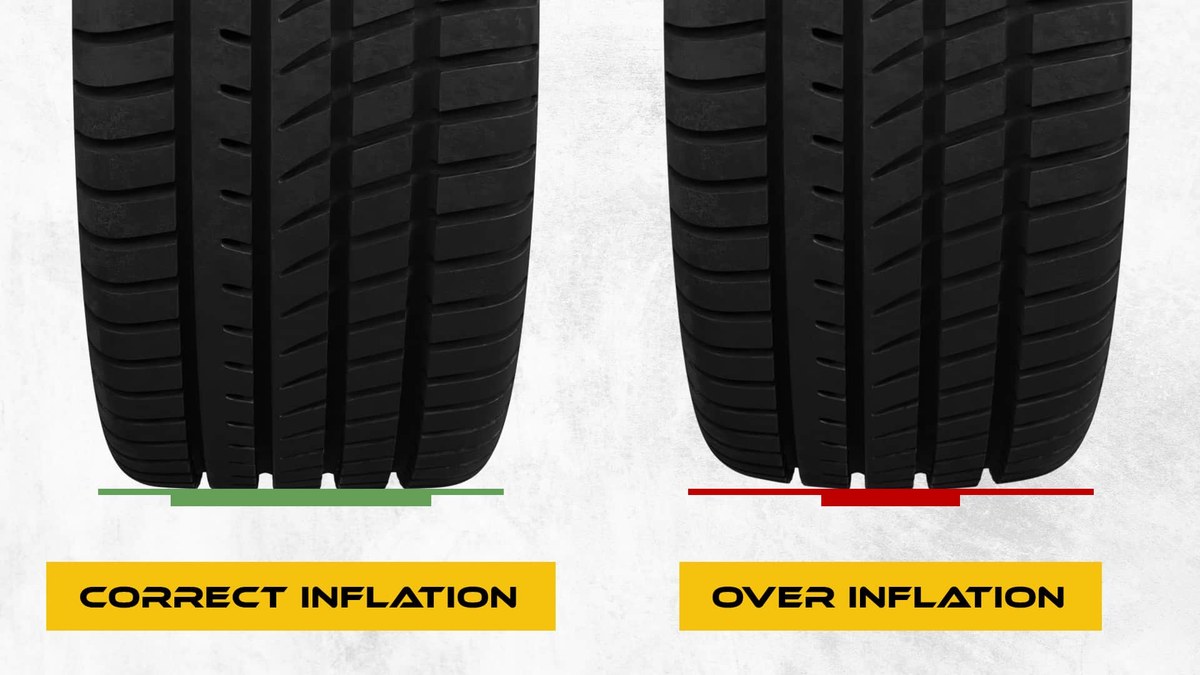
The contact patch is the part of the tire that actually touches the pavement. A properly inflated tire spreads its weight evenly across the tread. When you add too much air, the center of the tread bulges outward and lifts the outer edges of the tire off the road. This shrinks the contact patch and concentrates the vehicle’s weight into a smaller area.
Less contact with the road means less grip. That can make braking distances longer and cornering feel less stable, especially in wet conditions.
Why the Center of the Tread Wears First
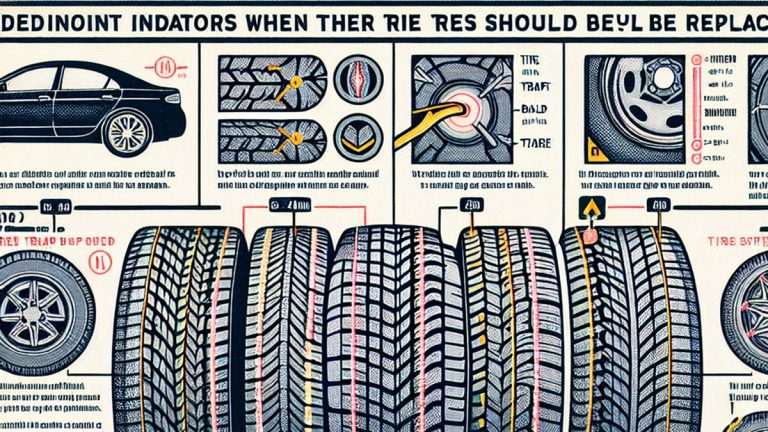
Because the center of the tread is carrying most of the load, it wears down faster than the shoulders. If you run overinflated tires for thousands of miles, you will see a smooth, bald strip running down the middle of the tire while the outer edges still have plenty of tread depth.
This wear pattern is a clear sign that the tire has been overinflated for a long period. It also means the tire will need replacement sooner than expected.
How Much Overinflation Is Actually Dangerous?
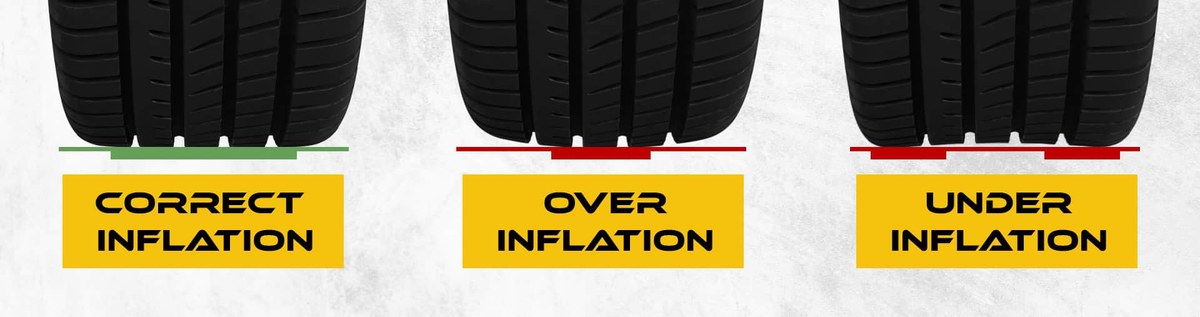
A few PSI over the recommended pressure is usually not dangerous, but it will change how the vehicle feels and how the tire wears. The risk grows as the pressure climbs toward the tire’s maximum rated pressure.
Door-Jamb Placard vs. Sidewall Max Pressure
Your vehicle’s recommended tire pressure is printed on a placard, usually on the driver’s side door jamb or inside the fuel door. That number is the one you should use. It is based on your specific vehicle’s weight, suspension, and handling.
The number printed on the tire sidewall, such as “Max Pressure 44 PSI,” is not a target. It is the maximum safe pressure the tire can hold when cold. You should never set your tires to the sidewall maximum just because the number is printed there.
Cold Pressure vs. Hot Pressure: Why the Difference Matters
Tire pressure rises as the tires heat up from driving. The placard pressure is a cold pressure, meaning the tires should be checked when they have been sitting for at least a few hours or driven less than a mile.
If you check your tires after a long highway drive, the pressure will read higher than the cold pressure. That is normal. You should not bleed air out of hot tires to match the cold placard number, because you will end up underinflated once they cool down. If you are unsure how long to wait, follow the guidance in our guide on how long you should wait to check tire pressure after driving.
Overinflation Symptoms: What You’ll Feel and See Behind the Wheel
Overinflated tires send clear signals through the steering wheel, the seat, and the tires themselves. Once you know what to look for, the problem is easy to spot.
Ride Quality and Handling Changes
The most obvious symptom is a harsh, bouncy ride. The tire cannot flex to absorb bumps, so every crack and pothole in the road transfers directly into the cabin. The steering may also feel twitchy or overly sensitive, because the smaller contact patch makes the tire less stable.
Noise, Vibration, and Harshness Clues
Overinflated tires often produce more road noise. The stiffer tire structure transmits more vibration through the suspension, and the reduced contact patch can cause a droning or humming sound at highway speeds. If the ride suddenly feels louder and harsher, check the pressure before assuming the tires are worn out.
Visual Tread Wear and Sidewall Signs
Center tread wear is the main visual clue. You may also notice that the tire looks rounder and slightly narrower than usual. In severe cases, the sidewall can appear stretched or the tire can show signs of impact damage from potholes, because the overinflated tire has less ability to absorb impacts.
How to Fix an Overinflated Tire Step by Step
Fixing an overinflated tire takes a few minutes and requires only a reliable pressure gauge. Here is the safe way to do it.
Tools That Matter: Gauge Accuracy and Inflator Duty Cycle
You need an accurate gauge. Many built-in gauges on portable inflators are convenient, but they are not always precise. If you are adjusting pressure, use a separate gauge you trust. If you are using an inflator to add air, remember that it needs to cool down between uses. Most portable inflators have a duty cycle, such as 10 minutes on and 10 minutes off, to prevent overheating.
How to Bleed Air Safely Without Overshooting
Read the placard pressure and compare it to the current tire pressure with a reliable gauge.
Most digital and pencil gauges have a small bleed button or a raised pin that releases air when pressed.
Bleed 2 to 3 PSI at a time, then recheck. It is much easier to let out a little more air than to add air back.
Adjust each tire to the same cold pressure, then reinstall the valve caps securely.
Digital Gauge vs. Pencil Gauge: Which to Trust
Digital gauges are generally easier to read and more accurate than pencil gauges, but both work if they are in good condition. Pencil gauges can stick or give inconsistent readings if they are dropped or dirty. Digital gauges need batteries but usually provide a clear, exact reading. For more detail, compare digital and analog tire pressure gauges to decide which fits your routine.
TPMS, Overpressure Warnings, and Relearn Limits
Your tire pressure monitoring system can help you spot pressure problems, but it has limits when it comes to overinflation.
How TPMS Handles Overinflation vs. Underinflation
Most TPMS systems are designed to warn you when pressure drops below a certain threshold, usually about 25 percent below the recommended pressure. They are not designed to warn you about overinflation. That means you can be driving on significantly overinflated tires without any dashboard warning. If your TPMS light comes on even though the tires look fine, our guide on why the tire pressure light comes on when tires are fine covers the common causes.
When You Need a TPMS Relearn After Adjusting Pressure
In most cases, simply adjusting tire pressure does not require a TPMS relearn. The system reads the new pressure automatically after a short drive. However, if you rotate the tires or replace a sensor, you will likely need a relearn procedure so the system knows which sensor is in which wheel. The difference between a relearn and a reset matters, so it helps to understand both before you start.
Overinflation and Road Damage: Puncture and Repair Limits
Overinflated tires are more vulnerable to road damage because they cannot flex around obstacles. This can lead to punctures, impact breaks, and sidewall damage.
Puncture Location: What Is Repairable and What Is Not
Most tire shops will only repair a puncture in the tread area if it is smaller than about 1/4 inch in diameter and located away from the sidewall and shoulder. Punctures in the sidewall or shoulder are usually not repairable because the sidewall flexes and a patch cannot seal reliably there. If you are unsure whether a puncture is repairable, have a professional inspect it before you drive far.
Temporary Repair Limits vs. Professional Repair Thresholds
A tire plug kit can get you back on the road temporarily, but it is not a permanent fix. Plugs are meant to get you to a tire shop. A professional patch, or a combination patch-and-plug, is the safer long-term repair because it seals the tire from the inside. If you are weighing your options, the difference between a tire plug and a patch is worth understanding before you decide.
How to Avoid Overinflating Next Time
The best way to avoid overinflation is to have a clear target before you start and to use tools you can trust.
Set a Target Pressure Before You Start
Write down the placard pressure for the front and rear tires before you begin. Many vehicles use different pressures for the front and rear, so check both. Set your inflator to that target if it has an auto-stop feature, and always confirm with a separate gauge.
Inflator Duty Cycle and Built-In Gauge Reliability
Built-in inflator gauges can drift out of calibration over time. They are fine for a quick check, but do not rely on them for a precise final reading. Also, respect the inflator’s duty cycle. If the unit overheats and shuts off, it may stop before reaching your target, which can lead to frustration and inaccurate pressure.
- Check pressure when tires are cold, ideally before driving.
- Use the vehicle placard pressure, not the sidewall maximum.
- Confirm the final reading with a separate, reliable gauge.
- Bleed air from hot tires to match the cold placard number.
- Inflate to the sidewall maximum just because it is printed there.
- Ignore a TPMS light that stays on after adjusting pressure.
When to See a Professional and What It Should Cost
Most overinflation problems are solved with a gauge and a few minutes of your time. But there are times when a professional should take a look.
Signs That Overinflation Caused Hidden Damage
If you have been driving on severely overinflated tires for a while, the tire may have internal damage that is not visible from the outside. Signs include a bulge in the sidewall, a vibration that does not go away after correcting the pressure, or a tire that loses air slowly. If you see any of these, have the tire inspected by a professional before continuing to drive on it.
Next Steps: Rotation, Rebalance, and Replacement Timing
After correcting the pressure, check the tread depth. If the center of the tread is significantly worn, the tire may need to be replaced rather than just re-inflated. If the tires still have good tread, a rotation and rebalance can help even out any uneven wear. A tire shop can also check for impact damage and confirm whether the tire is still safe.
The cost of a tire inspection varies by shop and location, but it is usually a small price to pay for peace of mind. Replacement costs vary widely depending on the tire size and brand, so it is best to get a quote from a local shop.
- Best for: Drivers who want a quick, safe fix for a harsh ride, center-tread wear, or reduced grip caused by too much air pressure.
- Think twice if: The tire shows sidewall bulges, deep center wear, or a slow leak after correcting pressure, because those signs point to damage that needs professional inspection.
- Next step: Check the placard pressure, bleed the tires down to that cold number with a reliable gauge, and recheck after a short drive.
Frequently Asked Questions
Yes, especially if pressure exceeds the maximum printed on the tire sidewall. Overinflation makes the tire stiffer and more vulnerable to impact damage from potholes or debris. The risk increases at highway speeds and in hot weather.
The most common signs are a harsh, bouncy ride, increased road noise, and faster wear in the center of the tread. You can also compare the current pressure to the placard pressure on the driver’s door jamb.
Usually not. Most TPMS systems only warn about low pressure, typically when pressure drops about 25 percent below the recommended level. Overinflation rarely triggers a dashboard warning.
Any pressure above the vehicle manufacturer’s placard recommendation is too high for normal driving. The sidewall maximum pressure is a limit, not a target, and you should never exceed it.
Yes, a few PSI over the recommendation is safe for short trips, but it will affect ride comfort and tire wear. Correct the pressure as soon as you can to avoid uneven tread wear and reduced grip.
Use a tire pressure gauge with a bleed button, or press the small pin inside the valve stem with the back of the gauge. Release air in short bursts and recheck the pressure often.