Why Does My Tire Inflator Get Hot? Overheating Risks and Fixes
Your tire inflator gets hot because the motor compresses air, creates friction, and draws heavy electrical current, so some heat is normal. It becomes dangerous when you exceed the duty cycle, run it on weak voltage, or force it to handle a much larger tire than it was designed for.
If you have ever asked why does my tire inflator get hot, you are not alone. Heat is one of the most common concerns for drivers topping off tires in a driveway or at a rest stop. Some warmth is normal, but uncontrolled heat can damage the inflator, drain the battery, or create a fire risk.
- Know the line: A warm housing is fine; a burning plastic smell, smoke, or repeated shutdowns means.
- Follow duty cycle: Run-and-rest limits in the manual protect the motor more than any peak pressure rating.
- Use placard pressure: Cold, correct placard pressure prevents extra run time and keeps the inflator cooler.
- Check the power source: A weak 12V battery or outlet makes the motor draw more current and run.
- Inspect and store: Check the hose, cable, and housing after use, and store the unit only after.
Why Does My Tire Inflator Get Hot? The Short Answer
Tire inflators get hot because they do hard work. The motor spins a small pump that compresses air, and compression produces heat. Moving parts create friction, and electrical resistance heats the motor windings. A warm housing after filling one or two tires is normal. The real question is how hot it gets and how long it runs.
Normal Heat vs. Dangerous Heat: Where the Line Is
Normal heat feels warm but not painful to hold. Dangerous heat comes with a burning plastic smell, discolored housing, weak airflow, repeated shutdowns, or a metal pump head that is too hot to touch. Many inflators have thermal protection that shuts the motor off when it reaches the limit. If that happens, unplug the unit and wait for it to cool before checking anything.
Three Main Causes: Duty Cycle, Voltage, and Oversized Job
Three factors explain most overheating: duty cycle, voltage, and the size of the job.
Duty cycle is the manufacturer’s run-and-rest rule. Voltage problems happen when the 12V outlet or battery cannot supply enough power. An oversized job means forcing a small inflator to fill a large truck or SUV tire. Each of these raises the temperature. A planned break between tires can reduce much of the risk.
How a Tire Inflator Generates Heat: Compression, Friction, and Motor Load
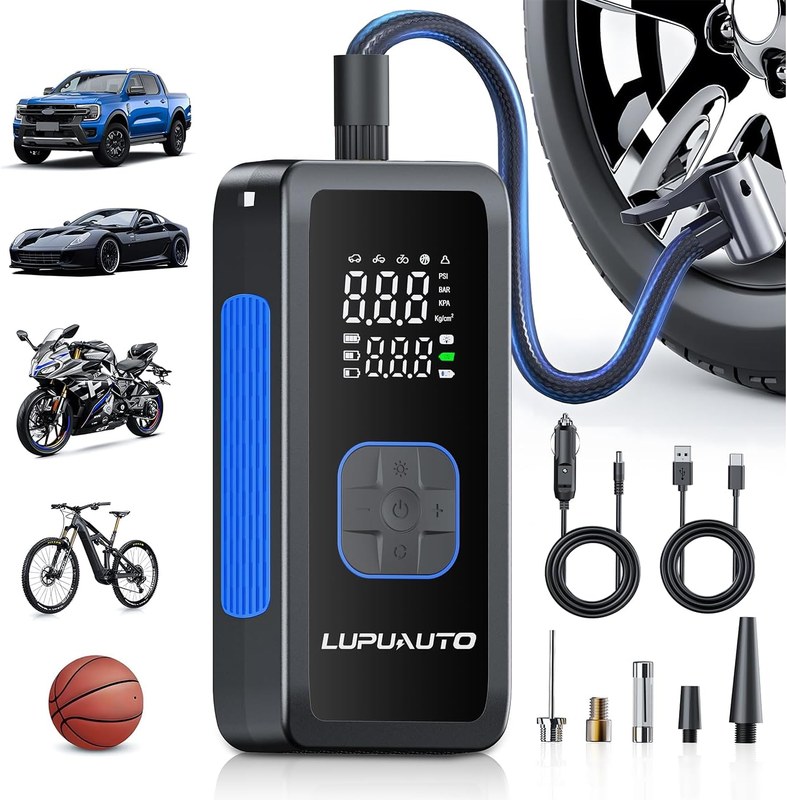
Air gets warmer when it is compressed. Inside the inflator, a piston or diaphragm pulls in air, squeezes it, and pushes it through the hose into the tire. The harder the pump works, the more heat it creates. High tire pressure also raises backpressure, which makes the motor work harder.
Friction adds more heat. Pistons, cylinders, bearings, and the cooling fan all move at high speed. The electric motor also draws a significant amount of current, and current flowing through motor windings produces heat. This is why the housing, hose, and plug can all feel warm after a long run.
Why Duty Cycle Ratings Matter More Than Peak Power
A duty cycle is a run-and-rest pattern from the manual, such as “run 10 minutes, cool 30 minutes.” It tells you how long the pump can run before heat builds past a safe level. Peak pressure ratings are less useful because they show the maximum possible output, not the sustainable output. For real-world use, the duty cycle matters more than the number on the box. Always check the manual for the exact times.
Why the Tire Itself Makes It Worse: Placard, Cold Pressure, and Gauge Accuracy
Your tire can make your inflator work harder than necessary. Wrong pressure targets, warm tires, and gauge errors all add run time. Longer run time means more heat.
Door-Jamb Placard vs. Sidewall Numbers: Which Pressure Is Right
The correct pressure is printed on the driver’s door-jamb placard, not on the tire sidewall. The sidewall number is the tire’s maximum pressure, not the recommended pressure for your vehicle. Filling to the wrong target wastes time and can make the inflator run too long.
Gauge Accuracy, Cold Pressure, and Extended Run Time
Cold pressure means the tire has been sitting for at least a few hours before checking. Driving warms the tires and raises the pressure, so topping off right after a trip can leave you underfilled once they cool. That mistake leads to extra runs later.
A gauge that reads a few PSI high or low also adds work. If the inflator keeps running longer than usual, verify the pressure with a second gauge. For a full guide, learn how long you should wait to check tire pressure after driving.
TPMS Relearn Limits After Inflating
After filling, the tire pressure monitoring system may need time, a short drive, or a relearn procedure to clear the warning light. Overinflating to make the light go away is unsafe and forces the inflator to run longer. If the light stays on even with correct pressure, read why your TPMS light is still on after filling the tires.
Overheating Risks: From Melted Housings to Battery Damage
Overheating is not just uncomfortable. It can shorten the inflator’s life, melt plastic parts, or weaken the battery that powers it.
Electrical and Fire Hazards
Plastic melts at lower temperatures than metal. If the housing warps, internal wires can shift and short against the motor. A short can spark and ignite nearby plastic, carpet, or fuel vapors. This is rare, but it becomes more likely when a unit runs far beyond its duty cycle.
12V System Voltage, Battery Chemistry, and State of Charge vs. Health
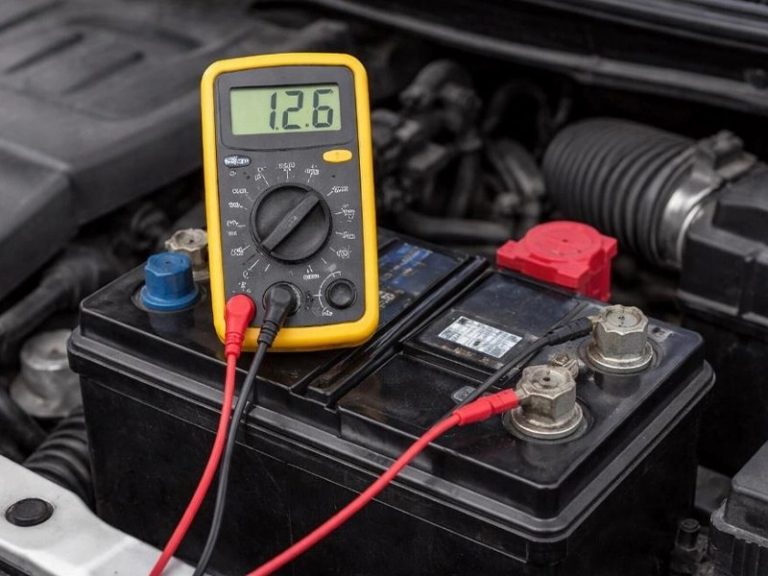
Most inflators plug into a 12V accessory outlet. With the engine off, the inflator drains the battery. As voltage drops, the motor draws more current to keep spinning, and more current means more heat.
A battery can be fully charged but old and weak, or partially charged but healthy. Voltage alone does not tell you the whole story. If the inflator runs slowly and heats up quickly, suspect the power source.
Hybrid and EV Cautions for Auxiliary Batteries
Hybrids and EVs still have a 12V auxiliary battery, and in many models it is small. That battery is not designed for long accessory use. Running a high-draw inflator may drain it faster than the vehicle recharges it. Check the owner’s manual for accessory limits before inflating tires on a hybrid or EV.
Safe Operating Procedure for Roadside and DIY Inflation
You can cut heat risk with a few simple habits. The goal is to finish the job in fewer, shorter runs.
Safe Location and Traffic Visibility
Never inflate a tire while sitting in a traffic lane. Move to a parking lot, driveway, or wide shoulder. On the roadside, turn on hazard lights, place warning triangles or flares if you have them, and stay behind guardrails when possible.
Correct Connection Order and Damaged-Battery Stop Conditions
Connect the hose to the tire valve first, then plug the inflator into the 12V outlet. When finished, unplug the inflator before removing the hose. If the battery case looks swollen, corroded, or damaged, do not use the inflator at all. Have the vehicle checked by a professional.
Duty Cycle Breaks and Post-Use Inspection
Set a timer for the manual’s recommended run time. When it rings, let the inflator cool for the full rest period. This matters most when filling large tires or multiple tires back to back. After the job, feel the housing carefully, look for melted plastic or loose hoses, and wait for the unit to cool before storing it.
- Check the door placard pressure before you start
- Follow the duty cycle run-and-rest times in the manual
- Inspect the housing, hose, and plug after every use
- Run the inflator past its rated run time
- Use it with a visibly damaged battery or 12V outlet
- Store the inflator while it is still hot
Fixes, Maintenance, and Ownership Costs
Many overheating problems are really usage problems. Changing how you operate the inflator can fix them. If it still overheats, the cause may be internal wear.
Storage Conditions and Cable or Pack Condition
Store the inflator in a cool, dry place. Summer heat in a closed trunk can degrade plastic, hoses, and seals over time. Check the cable for cracks, the plug pins for damage, and the hose for leaks. A cracked hose lets air escape, so the motor runs longer to reach the target pressure.
Current Limits and Tool Completeness
Check the inflator’s current draw and confirm your vehicle’s 12V outlet can handle it. Some outlets are rated for lower current than the inflator needs. Also confirm the included adapters match your valve type. A poor connection or missing adapter adds run time and heat. Not every inflator can handle every vehicle, so check whether a portable tire inflator can inflate truck tires before you rely on one.
When Repair Costs Justify a Replacement
Most portable inflators are sealed units. A burned-out motor or pump often costs more to repair than the inflator is worth. If the unit overheats on every job, even with correct duty cycles and a healthy power source, replacement is usually the better choice.
When to Stop DIY: Temporary Limits and Professional-Repair Thresholds
An overheating inflator can hide a bigger problem. If a tire keeps losing air, filling it is only temporary. The real fix belongs at a tire shop.
Puncture Location and Temporary-Repair Limits
Not every puncture can be repaired safely. A proper plug or patch is generally limited to the tread area, and the damage must be small. Sidewall damage, shoulder damage, or a tire driven flat usually means replacement. Learn more about how long you can drive with a nail in your tire before you decide.
Professional-Repair Thresholds for Tires and Inflators
If you inflate the same tire every few days, stop. Repeated fills waste time, heat the inflator, and stress the tire. A professional can inspect the tire, perform the right repair if it qualifies, or recommend a replacement. The same logic applies to the inflator: if it overheats on every job under normal conditions, it is time for professional diagnosis or a new unit.
- Best for: Drivers who match the inflator to the job, follow the duty cycle, and use the placard pressure.
- Think twice if: You count on one small inflator for large truck or SUV tires, or you often fill warm tires right after a drive.
- Next step: Find the duty cycle in your manual, check the door placard, and set a timer before your next inflation.
Frequently Asked Questions
Heat is normal because the motor compresses air, creates friction, and draws electrical current. It becomes a problem when the unit exceeds its duty cycle, runs on weak voltage, or handles a much larger tire than it was designed for.
A warm housing is normal, but a burning plastic smell, smoke, melted plastic, or repeated shutdowns mean the unit is overheated. Stop, unplug the inflator, let it cool on a safe surface, and check the manual before using it again.
A duty cycle is the manufacturer’s recommended run-and-rest pattern, such as run 10 minutes and cool 30 minutes. Following it protects the motor from overheating and extends the life of the inflator.
Hybrids and EVs have a small 12V auxiliary battery that may not handle long accessory use. Check the vehicle owner’s manual for accessory limits before running a high-draw inflator.
Many inflators have thermal protection that stops the motor when it gets too hot. This often means the duty cycle was exceeded or the power source is weak. Let the unit cool, then check the manual and power source.
Most portable inflators are sealed units, so motor or pump repairs often cost more than a replacement. If the inflator overheats on every job even with correct duty cycles and a healthy power source, replace it.