Tire Plug vs Patch Which Is Safer for a Lasting Tire Repair
A professional internal patch or patch-plug is usually safer than a simple external plug for a lasting tire repair. A plug can help in an emergency, but it should not be your default long-term answer.
tire plug vs patch which is safer is a common question because both repairs can stop a leak, but they do not offer the same long-term security. For most repairable tread punctures, an internal patch-plug or interior patch done by a tire shop is the safer lasting fix, while a simple external plug is better treated as a short-term emergency solution.
- Safer long-term fix: Choose an internal patch or patch-plug for a repairable center-tread puncture.
- Emergency use: A basic plug is mainly for short-term mobility after a roadside puncture.
- Do not repair: Sidewall, shoulder, large, or run-flat-damaged tires often need replacement.
- Pressure matters: Inflate to the door-jamb placard spec and recheck with a reliable gauge.
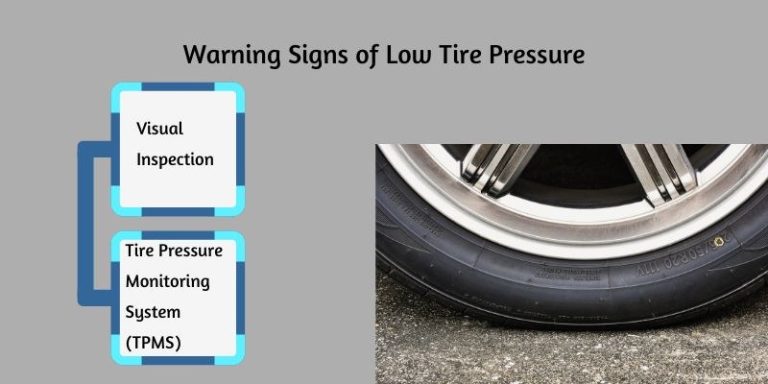
- TPMS limit: A warning light turning off does not prove the repair is safe or complete.
Tire Plug vs Patch: Which Is Safer in 2026?
The safest answer depends less on the kit label and more on where the tire was damaged, how long it was driven low, and what kind of driving the vehicle does. A commuter sedan used around town has different repair risk than a loaded pickup, a rideshare SUV, or a high-speed performance car on the highway.
A patch-plug or interior patch is usually the safest lasting repair for a repairable puncture
For a nail or screw hole in the repairable center tread area, a proper internal repair usually offers the best long-term safety. That is because the tire is removed from the wheel, inspected inside, and repaired at the injury itself instead of only plugging the outside opening.
Many tire shops prefer a patch-plug combination because it both fills the puncture channel and seals the inner liner. That helps reduce slow leaks, moisture entry, and future separation risk compared with a basic rope plug alone.
When a simple plug may be acceptable as a temporary roadside fix
A simple plug can make sense when you are stranded, the puncture is in the center tread, and the goal is to restore enough air retention to get somewhere safer. It is often the fastest roadside option because it does not require tire removal.
But fast is not the same as permanent. Even if the tire holds air after a plug, most drivers should still plan for a shop inspection soon after, especially before highway travel, heavy loads, or long-distance driving.
Why puncture location, tire condition, and driving speed matter more than repair kit marketing
The same plug that seems fine on a lightly used compact car may be a poor gamble on a hot-running truck tire carrying cargo. Tire age, tread depth, internal damage, speed rating, and whether the tire was driven nearly flat all affect whether any repair is still safe.
How Tire Plugs and Tire Patches Actually Work
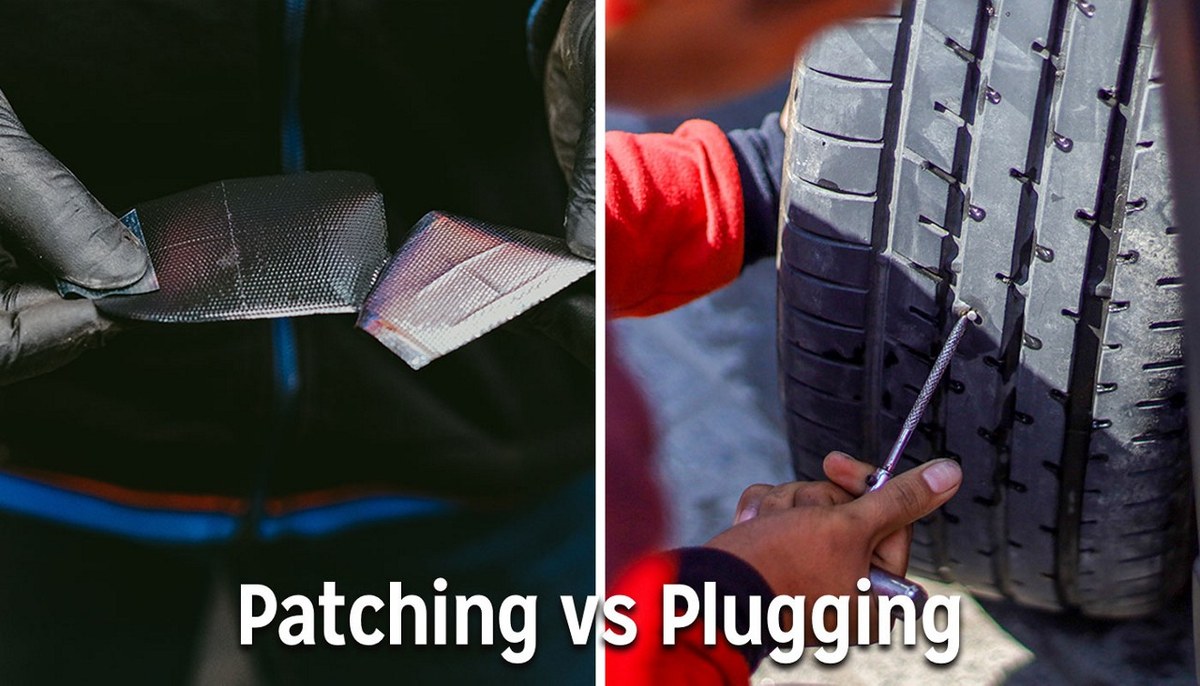
It helps to understand the difference before choosing one. A plug and a patch can both stop escaping air, but they do it in different ways and offer different levels of inspection and reinforcement.
External plug repair: sealing the injury from the outside
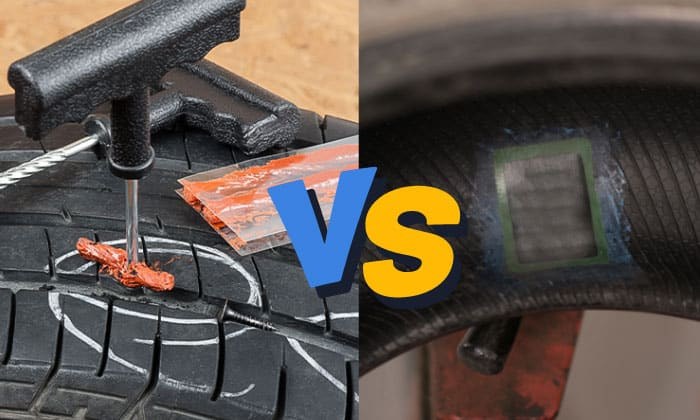
An external plug is inserted through the puncture from the outside of the tire. Most roadside kits use a sticky rope-style material that fills the hole after the puncture channel is reamed and the plug is pushed in.
This can work well enough to slow or stop air loss, but it does not let you inspect the inside of the tire for hidden damage. It also does not reinforce the inner liner the way an internal repair does.
Internal patch repair: sealing and reinforcing the injury from inside the tire
An internal patch requires the tire to be removed from the wheel. The technician inspects the inside, prepares the puncture area, applies repair material, and seals the inner liner from the inside surface.
This method is safer for a lasting repair because it confirms whether the tire is still repairable at all. If there is sidewall flex damage, liner dust, cord damage, or a puncture outside the approved repair zone, the tire can be rejected before it goes back on the road.
Patch-plug combo repairs and why many tire professionals prefer them
A patch-plug combination adds a stem that fills the injury channel plus a patch that seals the inner liner. That two-part approach is why many tire professionals prefer it for standard punctures in the tread area.
It addresses the path through the tire, not just the opening at the surface. For many daily drivers, that makes it the closest thing to a proper long-term repair when the tire still meets repair guidelines.
Side-by-Side Safety Comparison: Plug vs Patch for Daily Drivers, Trucks, SUVs, and Performance Cars
Air retention, heat resistance, tread stability, and long-term leak risk
A good plug can hold air surprisingly well, but long-term leak risk is usually higher than with a proper internal repair. Heat cycles, tread flex, water intrusion, and imperfect installation can all work against an external plug over time.
An internal patch or patch-plug generally does better for long-term air retention because the sealing surface is larger and the repair is done with the tire dismounted. That matters more on vehicles that spend lots of time at highway speed.
Compatibility by vehicle type, tire speed rating, load range, and seasonal tire design
Heavier vehicles put more stress into the tire carcass, especially under towing, payload, or rough-road use. That means a truck or full-size SUV often deserves a more conservative repair decision than a lighter passenger car.
Performance tires, run-flats, extra-load tires, and some winter tires can also raise the stakes. Shop policy may become stricter as speed rating and load demands go up, even if the puncture looks small from the outside.
Which option fits commuters, long-distance drivers, rideshare vehicles, and work trucks
For a short commute at moderate speed, a temporary plug may get you through the day if the puncture is in the right spot. For long-distance highway use, rideshare service, family road trips, and commercial work, a professional internal repair is usually the smarter and safer choice.
| Option | Best for | Owner consideration | Driver consideration |
|---|---|---|---|
| External plug | Short-term emergency mobility | Low upfront cost, but may still need shop repair soon | Higher risk of future leak under heat, speed, or heavy load |
| Internal patch | Repairable punctures needing a lasting fix | Requires shop labor and tire removal | Better long-term sealing than an outside-only repair |
| Patch-plug combo | Most standard center-tread punctures | Often preferred when the tire passes internal inspection | Better balance of sealing and puncture-channel repair |
| Tire replacement | Sidewall, shoulder, large, or damaged punctures | Higher cost, but avoids unsafe repair compromise | Safest choice when the tire structure may be weakened |
When a Tire Can Be Repaired Safely and When It Should Be Replaced Instead
Puncture location rules: tread center versus shoulder or sidewall damage
Most safe repairs are limited to the central tread area, not the shoulder or sidewall. The sidewall flexes too much, and damage there can weaken the structure in ways a plug or patch cannot safely restore.
If you want a deeper look at that specific issue, see our guide on whether a tire plug kit can fix a sidewall puncture.
Size limits, multiple punctures, run-flat damage, and low-pressure driving risks
There are also size limits for punctures, and those limits can vary by tire maker and shop policy. Multiple punctures close together, cuts instead of clean punctures, or damage from driving on an underinflated tire may all push the decision toward replacement.
Run-flat tires need extra caution because internal damage may not be obvious from outside appearance alone. If the tire was driven any distance while nearly flat, the internal structure may already be compromised.
Professional-repair thresholds, legal variation by shop policy, and liability concerns in the United States
In the United States, repair practices are shaped by industry guidance, tire-maker instructions, and each shop’s liability policy. Two reputable shops may not make the same call on the same tire, especially if the puncture is near the edge of the approved repair zone.
Temporary Roadside Plugging: Emergency Use Limits and Safe Repair Steps
Choosing a safe location, improving traffic visibility, and checking tool completeness before starting
If you must plug a tire on the roadside, your first job is scene safety, not the tire. Move as far from traffic as possible, use hazard flashers, and avoid working where the vehicle could roll or where you cannot stand clear of passing traffic.
Before starting, make sure the kit actually includes the plug tool, insertion tool, repair strips, cutter, and a way to re-inflate the tire. A half-complete kit can leave you stuck with an open puncture and no way to finish the job.
Using the door-jamb placard, cold pressure targets, gauge accuracy, and inflator duty-cycle limits
After a temporary repair, inflate to the vehicle’s door-jamb placard pressure, not the maximum number molded on the tire sidewall. Check pressure when the tire is cold whenever possible, and use a reliable gauge rather than guessing by feel.
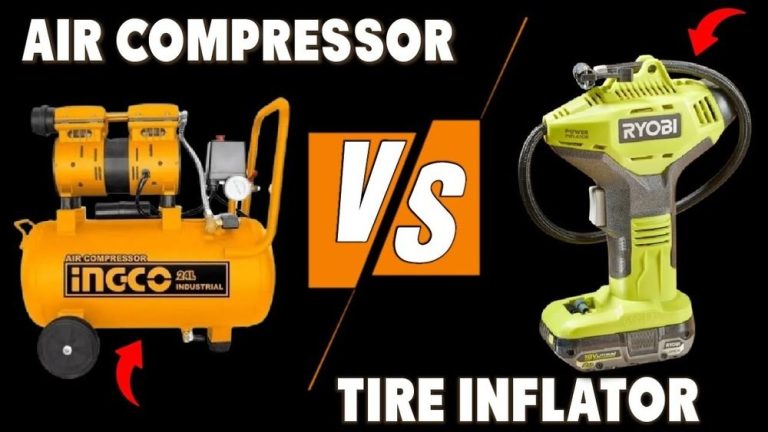
If you need help choosing tools, CarValleyNJ also explains digital vs analog tire pressure gauge differences and the practical tradeoffs in tire inflator vs air compressor for car tires.
Why temporary repairs need post-use inspection and fast follow-up at a tire shop
Even if the tire seems normal after plugging, the repair still needs follow-up. Air can escape slowly, the puncture path may be irregular, or the tire may have internal damage that only shows once it is dismounted and inspected.
- Move to a safe, visible location before attempting any roadside repair
- Use the vehicle placard pressure and recheck it after inflation
- Treat an external plug as temporary until a shop inspects the tire
- Plug a sidewall or shoulder puncture
- Assume a tire is safe just because the TPMS light turns off
- Keep driving long distances if the tire continues to lose air
Professional Patch or Patch-Plug Installation: What a Proper Lasting Repair Includes
Tire removal, internal inspection, injury preparation, sealing, and remount balancing
A proper shop repair usually includes removing the tire from the wheel, inspecting the inner liner, preparing the puncture channel, applying the repair unit, and remounting and balancing the assembly. That process takes longer than a roadside plug, but it is what gives the repair a better chance of lasting safely.
TPMS cautions: sensor location, relearn limits, warning-light reset expectations, and when recalibration is needed
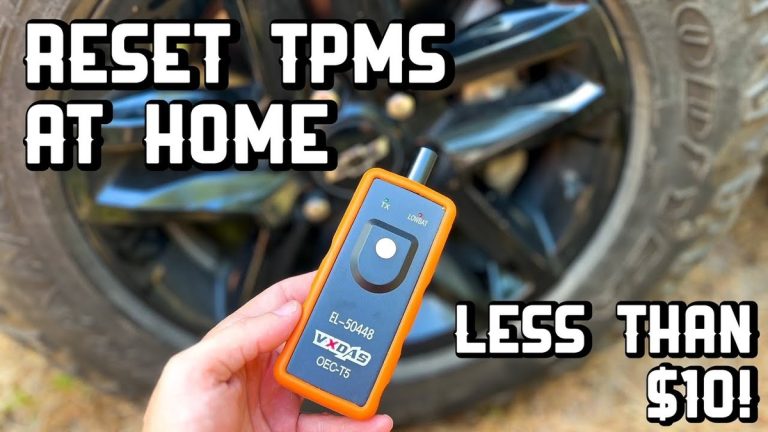
Modern wheels may contain TPMS sensors that can be damaged by careless tire service. Some vehicles also need a relearn procedure after service, rotation, or sensor replacement, while others reset automatically after driving.
If your warning light stays on after proper inflation and repair, see our TPMS reset guide after tire rotation for general next steps and limits.
Ownership cost, labor time, warranty coverage, and what to ask before authorizing repair
Repair pricing varies by shop, region, tire type, and whether balancing is included. Before approving the work, ask whether the repair is a patch only or a patch-plug, whether the tire will be balanced, and whether the shop offers any workmanship warranty.
Check: Verify tire type, speed rating, load range, run-flat status, TPMS sensor presence, and manufacturer repair limits. Limitations: Some punctures, run-flat events, and edge-area injuries may be declined even if the tire still holds air.
Troubleshooting Slow Leaks After a Plug or Patch
How to tell whether the leak is from the puncture, valve stem, bead, wheel damage, or temperature change
Not every post-repair pressure drop means the plug or patch failed. Air loss can also come from a leaking valve core, cracked valve stem, corroded bead seat, bent wheel, or a seasonal temperature drop that lowers cold pressure readings.
Cold-pressure checks, soap-test basics, and when repeated air loss means the repair has failed
Start with a cold-pressure check using the same gauge each time. If pressure keeps dropping, a simple soap-and-water test around the puncture area, valve stem, and wheel bead can help show bubbling at the leak point.
If you need a refresher on technique, CarValleyNJ also covers how to check tire pressure at home and why consistency matters.
When not to keep inflating and driving on a damaged tire
If the tire loses pressure again within hours or a day, do not keep topping it off and hoping for the best. Repeated low-pressure driving builds heat, harms the casing, and can turn a repairable problem into a replacement situation.
How TPMS, Portable Inflators, and Tire Repair Kits Affect the Decision
What TPMS can and cannot confirm after a puncture repair
TPMS can warn you that pressure is low, but it does not confirm that a repair is structurally sound. A light that turns off only tells you pressure came back into range, not that the puncture was repaired correctly.
Portable inflator safety: storage conditions, current limits, hose heat, and post-use inspection
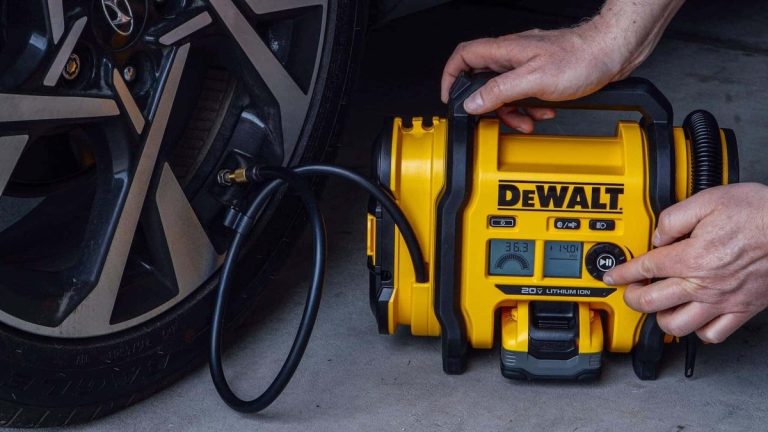
Portable inflators are helpful after a plug, but they have limits. Small units can overheat, hoses can get hot, and battery-clamp or 12-volt units may have run-time restrictions that matter if you are filling a truck or SUV tire from very low pressure.
Repair-kit compatibility with modern tires, sealants, and vehicles that lack a spare
Many newer vehicles come without a full-size spare, which makes repair kits more common. But sealant kits, rope-plug kits, and inflator-only kits are not interchangeable in what they can safely solve, and some tire shops dislike cleaning certain sealants before permanent repair.
What Drivers Should Know About OBD2, Warning Lights, and Professional Diagnosis After a Tire Event
Why OBD2 tools do not directly diagnose most tire punctures or confirm repair quality
Many drivers reach for a scan tool when a warning light appears after a tire event, but OBD2 tools do not directly diagnose a nail hole or prove that a repair is good. At most, they may help with related warning information on some vehicles, depending on system access.
Model-year and protocol coverage, ignition mode, port location, and code versus live-data limits when checking related warnings
Even when a scan tool can read tire-related modules, coverage varies by make, model year, trim, and software support. Generic OBD2 access is mainly for emissions-related systems, so TPMS and chassis data may require enhanced vehicle-specific coverage.
Emissions readiness, reset limitations, app permissions, firmware updates, and when a shop diagnosis is the safer next step
Clearing codes without understanding them can erase useful clues, and it will not fix a leaking tire. If the warning light remains on after pressure is corrected and the tire is professionally inspected, a shop with proper TPMS tools is usually the safer next step.
The Best Next Step for Most Drivers: When to Use a Plug, When to Pay for a Patch, and When to Replace the Tire
Best choice for short-term emergency mobility
Use a simple plug only when the puncture is in the repairable center tread area, you need to get off the roadside, and the tire still appears otherwise healthy. Keep speeds moderate and schedule a proper inspection quickly.
Best choice for a safer long-term repair
Pay for a professional internal patch or patch-plug when the tire qualifies for repair and you want the safer lasting fix. For most daily drivers, that is the best balance of safety, cost control, and reduced repeat hassle.
Clear replacement triggers for damaged, worn, overloaded, or high-risk tires
Replace the tire if the puncture is in the sidewall or shoulder, the hole is too large, cords are damaged, the tire was driven flat, or the tire is already too worn to justify repair. Replacement is also the smarter call when the vehicle regularly sees high speeds, heavy loads, or long highway trips and the damage falls near any repair limit.
- Best for: Drivers with a repairable center-tread puncture who want a safer long-term fix should choose a professional patch or patch-plug.
- Think twice if: The puncture is near the shoulder, in the sidewall, the tire was driven low, or the vehicle carries heavy loads at highway speed.
- Next step: Use a plug only to regain short-term mobility, then have the tire dismounted and inspected before treating it as road-trip ready.
Frequently Asked Questions
In most cases, yes. An internal patch or patch-plug is usually safer for long-term use because the tire is removed, inspected, and repaired from the inside.
You can use a plug as an emergency repair if the puncture is in the center tread and the tire is otherwise in good condition. It is still smart to get the tire inspected soon before long trips or regular highway driving.
Usually no. Sidewall and shoulder damage are generally replacement situations because those areas flex too much for a standard puncture repair to be considered safe.
Not fully. TPMS can tell you whether pressure is low, but it cannot confirm that the repair is structurally sound or that there is no internal tire damage.
Not always, but the inflator must match the job. Small portable units may be fine for passenger cars, while trucks and SUVs often need a stronger inflator with enough duty cycle for larger tires.
Pricing varies by shop, tire type, and region, so it is best to check locally. In general, a proper repair costs much less than replacing the tire, but replacement is the safer choice when the damage falls outside repair limits.