Why Does My TPMS Light Flash Then Stay on: Common Causes and Fixes
A TPMS light that flashes and then stays on usually means the monitoring system has a fault, often a bad sensor, relearn issue, or communication problem. Check cold tire pressure first, because low air and a TPMS fault can happen at the same time.
why does my TPMS light flash then stay on? In most vehicles, that pattern usually means the tire pressure monitoring system has a fault, not just a tire that needs air. You should still check tire pressure first, because a low tire and a TPMS problem can happen at the same time.
- Start simple: Use the driver-door placard and check all tires cold with a reliable gauge.
- Flashing matters: A flashing-then-solid TPMS light usually points to a system fault, not just low pressure.
- Common causes: Dead sensor batteries, damaged valve stems, wheel swaps, and low vehicle voltage are frequent.
- Tool limits: Many generic OBD2 scanners cannot read TPMS data, so a TPMS-capable tool may be.
- Know when to stop: If a tire is visibly low, leaking fast, or the car feels unstable, pull.
What It Means When the TPMS Light Flashes Then Stays On
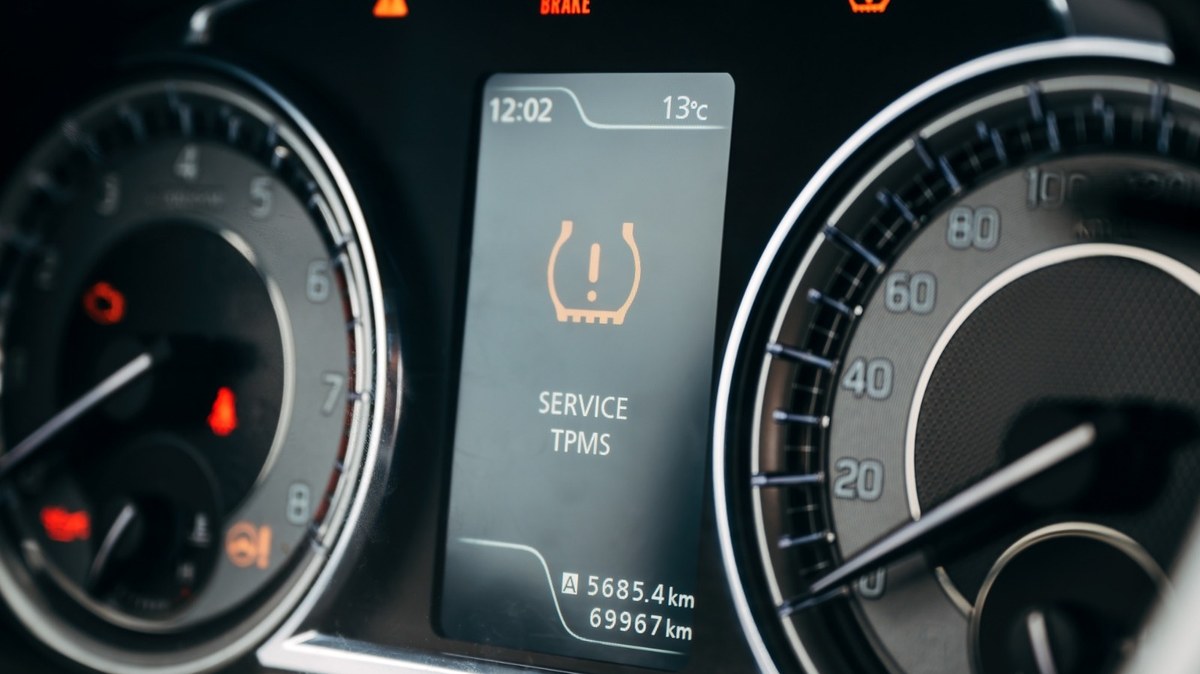
A TPMS warning can tell you two different things depending on how it behaves. If the light comes on and stays solid, the system may simply be warning about low pressure in one or more tires. If it flashes for a short time at startup and then stays on, the vehicle is often reporting a system problem.
Flashing at startup vs. a solid light while driving
Most direct TPMS systems do a self-check when you start the car. During that check, the module looks for sensor signals from each wheel. If something is missing, weak, or unreadable, the light may flash first and then stay on as a steady reminder.
A solid light that appears later while driving can still mean pressure dropped after the tires warmed or cooled. That is why the first step is always to measure the tires with a real gauge instead of guessing from how they look.
Why this pattern usually points to a system fault, not just low tire pressure
The flashing-then-solid pattern usually means the car cannot trust part of the TPMS system. Common reasons include a dead wheel sensor battery, a damaged sensor after tire service, a missing spare-tire sensor on some vehicles, or a communication problem between the sensors and the TPMS control unit.
Check Tire Pressure First: Use the Door-Jamb Placard, Cold Pressure, and a Reliable Gauge
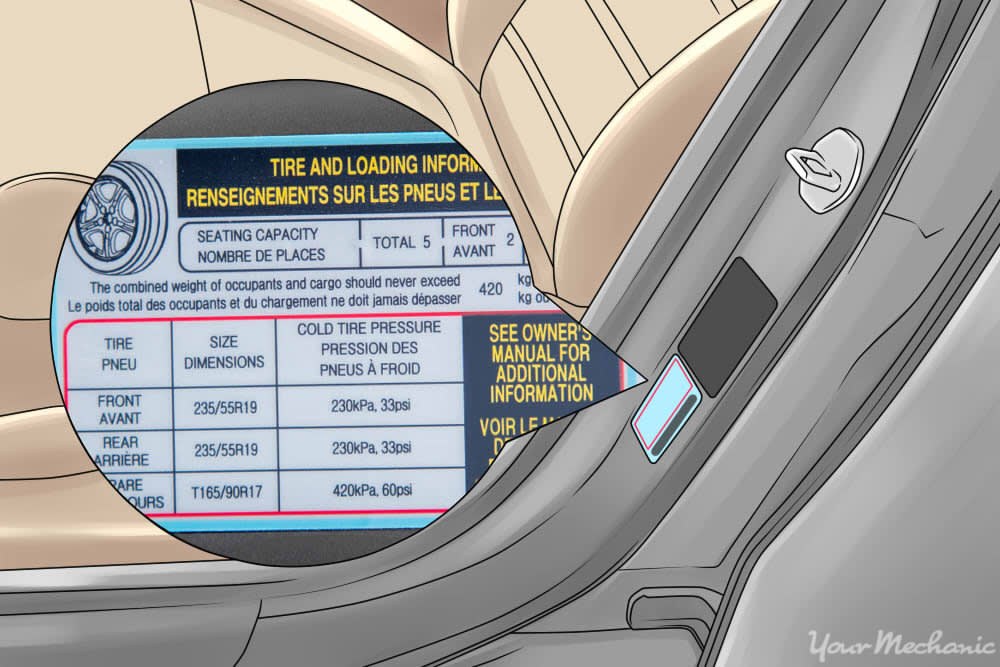
Before chasing electronics, confirm the tires are actually set to the vehicle maker’s recommended pressure. This is the fastest way to rule out a simple cause and protect the tires while you diagnose the warning.
Why the driver-door placard matters more than the tire sidewall number
The pressure listed on the driver-door jamb placard is the target for your specific vehicle setup. It reflects the vehicle’s weight, suspension tuning, and original tire size. The number molded into the tire sidewall is not the recommended daily setting. It is usually the tire’s maximum pressure rating.
If you inflate to the sidewall number instead of the placard, the ride can get harsher and traction may suffer. On some vehicles, that can also make TPMS behavior less predictable because the tires are no longer in the intended operating range.
How to measure cold pressure correctly and account for weather swings
Check pressure when the tires are cold, meaning the vehicle has been parked long enough to cool down. Heat from driving raises pressure, so a warm reading can mislead you. Big temperature swings can also change readings enough to trigger a warning, especially in fall and winter.
If a cold front moved through overnight, a tire that was fine yesterday can be low today. Inflate all tires to the placard value, then drive long enough for the system to update. If the flashing pattern remains, the fault is probably in the system rather than the air pressure alone.
Gauge accuracy, inflator duty cycle, and when overfilling creates new problems
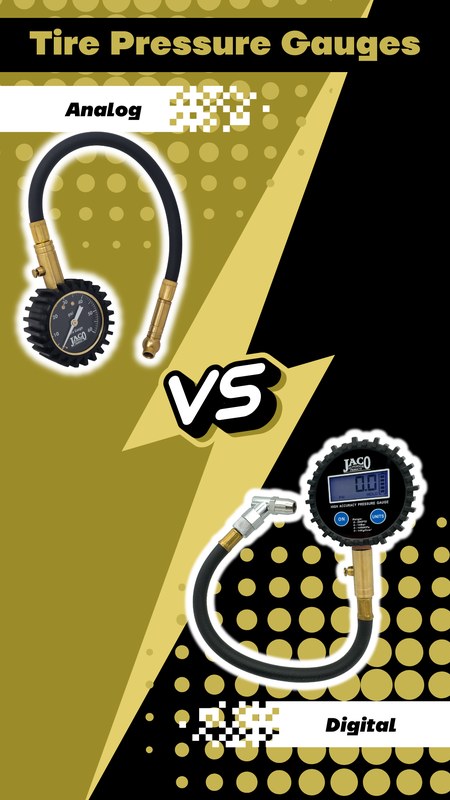
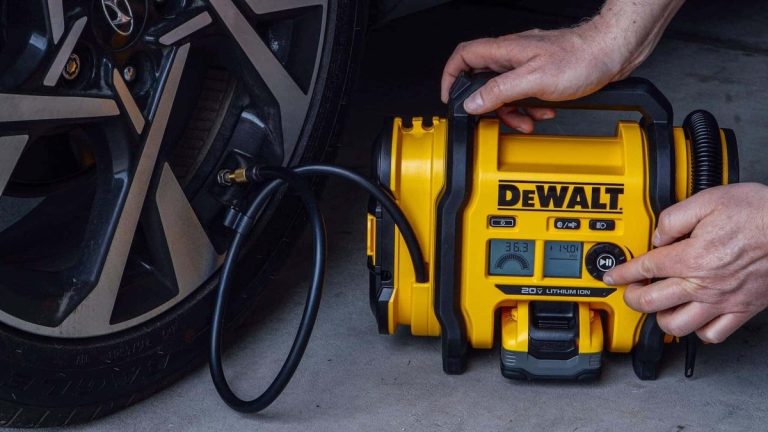
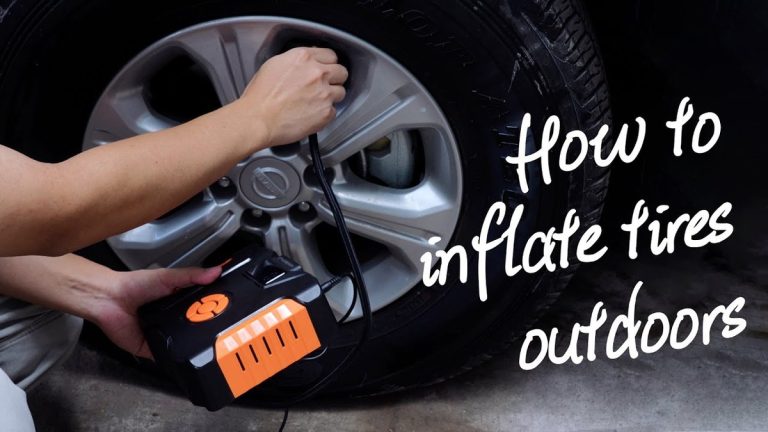
A cheap or damaged gauge can send you in the wrong direction. If your readings seem inconsistent, compare with another gauge. Also be careful with portable inflators. Some have limited duty cycles, which means they need cool-down time during extended use.
Overfilling can create its own problems. The contact patch may shrink, ride quality can worsen, and your next correction may become a cycle of over-adjusting. Add air slowly, recheck often, and bleed excess pressure if needed.
Most Common Reasons a TPMS Light Flashes Then Stays On
Weak or dead TPMS sensor battery inside one or more wheels
In many vehicles, each wheel sensor has a sealed battery. Over time, that battery weakens until the sensor signal becomes intermittent or disappears. When that happens, the TPMS module may fail its startup check and trigger the flashing light pattern.
Because the battery is built into the sensor, the usual fix is sensor replacement rather than battery replacement. Lifespan varies by vehicle, climate, and mileage, so there is no single age where every sensor fails.
Damaged sensor, valve stem corrosion, or recent tire service issues
Sensors can be damaged during tire mounting, bead breaking, or valve-stem service. Corrosion around the valve stem can also create leaks or poor sensor condition. If the warning started right after tire replacement, patch work, or seasonal wheel service, that timing matters.
Improperly tightened hardware, missing seals, or a cracked stem can cause both air loss and TPMS faults. If you recently had work done, let the shop know exactly when the light behavior began.
Spare tire, aftermarket wheels, snow tires, or incompatible sensor frequency
Some vehicles monitor a full-size spare, while others do not. Seasonal wheel swaps can also cause trouble if the second wheel set has missing sensors, cloned sensors that were not programmed correctly, or sensors that do not match the vehicle’s required frequency and protocol.
Aftermarket wheels add another variable. The wheel may physically fit, but the TPMS hardware still has to match the vehicle. If you rotate or swap wheels and then need a relearn, this guide on how to reset a TPMS light after tire rotation can help explain the next step.
Lost communication with the TPMS module, antenna, or body control system
Not every fault is inside the tire. The vehicle also uses receivers, antennas, wiring, and a control module to collect sensor data. If that network loses communication, the light may flash even when the sensors themselves are still good.
This is one reason a basic pressure check cannot solve every TPMS warning. Module faults are less common than low pressure or dead sensors, but they do happen, especially after collision repair, water intrusion, or electrical issues.
Low vehicle system voltage, battery health problems, and intermittent electrical faults
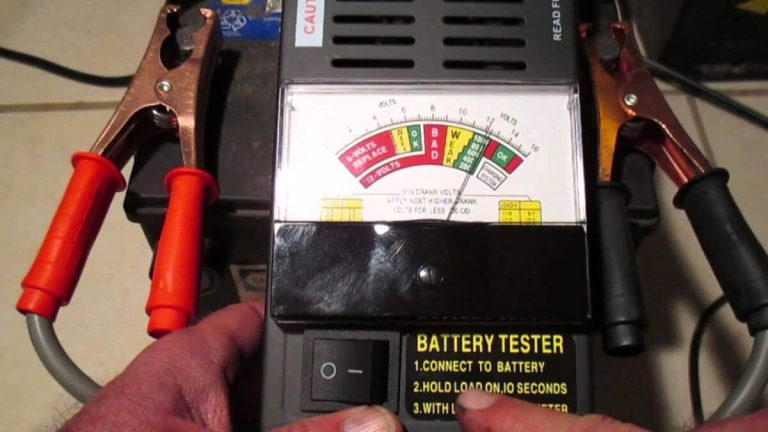
Weak vehicle voltage can interfere with many electronic systems, including TPMS communication. If the warning appears along with slow cranking, random warning lights, or recent battery problems, check the battery and charging system too.
If you have been dealing with repeated low-voltage symptoms, this article on why a car battery dies after sitting overnight may help you connect the TPMS warning to a bigger electrical issue.
Can You Keep Driving With a Flashing TPMS Light?
Safety impact if the tires are actually underinflated
If one or more tires are low, driving becomes riskier. Underinflated tires flex more, build extra heat, and can wear faster on the shoulders. In more serious cases, a puncture or damaged sidewall can worsen quickly at highway speed.
How handling, braking, tread wear, and fuel economy can change
Low pressure can make the steering feel slower and less precise. Braking distances may increase, and the tire can wear unevenly. Fuel economy can also drop because the tire creates more rolling resistance. Even if the car still feels normal, the tire may not be operating safely.
When to pull over immediately vs. when it is reasonable to drive to a shop
If the car pulls to one side, a tire looks visibly low, you hear flapping, or the steering suddenly feels unstable, pull over as soon as it is safe. Inspect the tires before going farther. If all tires measure correctly and the vehicle drives normally, it is usually reasonable to drive carefully to a tire shop or repair facility for diagnosis.
How to Troubleshoot the Problem Step by Step
Inspect all four tires and the spare for puncture location, sidewall damage, and visible leaks
Start with a full visual check. Look for nails, screws, cuts, bulges, and damage near the shoulder or sidewall. If your vehicle uses a full-size spare with TPMS, inspect that too. A neglected spare can trigger warnings on some models.
Pay attention to puncture location. A small puncture in the center tread area may be repairable, but damage near the shoulder or sidewall often calls for tire replacement instead of a plug or patch.
Understand temporary-repair limits and when sealant can damage sensors
Tire sealant can help in an emergency, but it is not a universal fix. Some sealants can contaminate the inside of the wheel and may affect certain sensors or make cleanup harder during later repair. Always check the tire product instructions and your vehicle manual first.
Temporary repairs also have speed, distance, and repairability limits. They are meant to get you to proper service, not replace it.
Reset attempts, TPMS relearn limits, and why some vehicles need a scan tool or drive cycle
Some vehicles relearn automatically after pressure correction and a short drive. Others need a manual reset through the dash menu, a relearn procedure, or a dedicated TPMS tool. If you want the basics first, see this guide on how to use a TPMS reset tool.
Keep in mind that a reset will not revive a dead sensor battery or fix a broken module. It only helps when the system is capable of seeing all required components and just needs to sync them again.
Professional-repair thresholds for sensor replacement, wheel service, and module faults
If the light keeps flashing after pressure correction and a relearn attempt, the next step is usually professional diagnosis. A shop with TPMS equipment can read each sensor ID, battery status on supported systems, signal strength on some tools, and relearn compatibility.
- Set all tires to the door-jamb placard pressure before deeper diagnosis.
- Inspect the spare if your vehicle uses TPMS there.
- Record when the warning started, especially after tire or battery service.
- Assume the tire sidewall number is the correct daily pressure.
- Use repeated resets to ignore a real sensor or wiring fault.
- Rely on sealant or a plug as a permanent answer to damaged tires.
Using an OBD2 Scanner for TPMS-Related Diagnosis: What It Can and Cannot Tell You
Model-year and protocol coverage in 2026 vehicles and why generic OBD2 may miss TPMS data
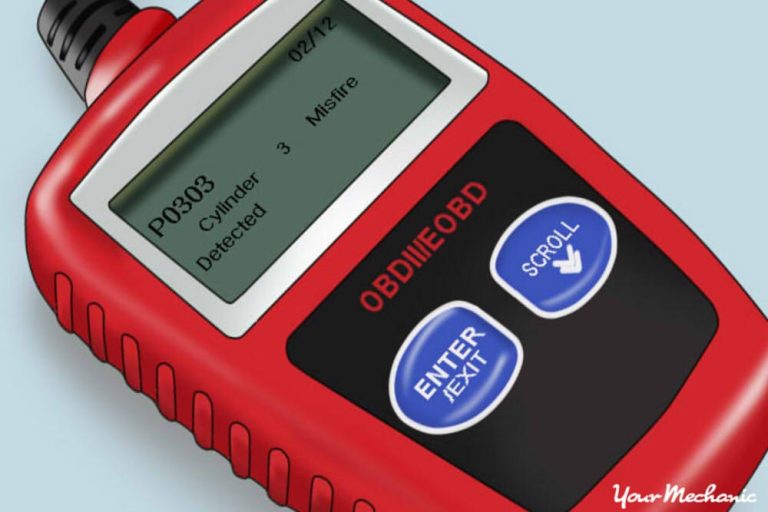
Many drivers assume any OBD2 scanner can read TPMS faults. That is not always true. Basic generic OBD2 tools mainly cover emissions-related systems, so they may not access body, chassis, or TPMS data. Coverage varies by vehicle, scan tool, software, and subscription level where applicable.
OBD2 port location, correct ignition mode, app permissions, and firmware updates
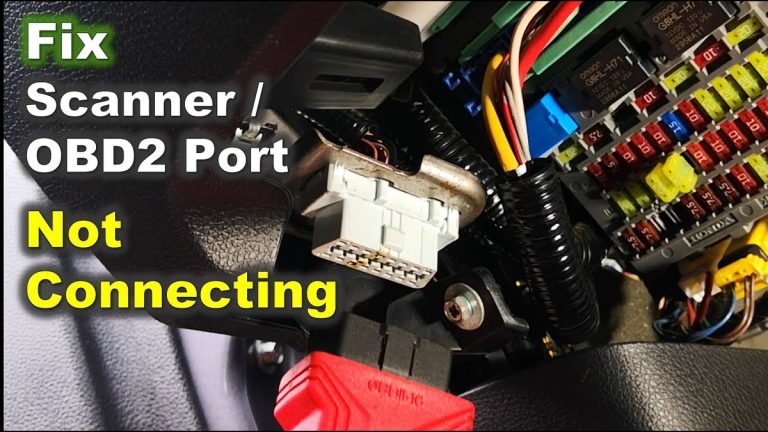
The OBD2 port is usually under the dash on the driver side, but access can still be awkward. Some tools need the ignition in the correct mode, a phone app with Bluetooth permissions, and current firmware before they can connect properly. If your tool will not pair or communicate, this guide on why an OBD2 scanner won’t connect covers common setup issues.
Code-reading limits, live-data limits, emissions readiness, and reset limitations
Even when a scanner connects, it may only show powertrain codes. That means you could read no useful TPMS information at all. Clearing codes is also limited. A generic tool may clear a check-engine light but still leave TPMS warnings untouched because that system uses different modules and access rules.
When a TPMS-capable scan tool or professional diagnosis is required
If you need sensor IDs, relearn functions, or module-level fault codes, you usually need a TPMS-capable scan tool or a shop with dedicated equipment. For drivers comparing those tools, CarValleyNJ also has a category covering TPMS diagnostic tools and their compatibility limits.
Battery and Electrical Checks That Can Trigger False or Intermittent TPMS Warnings
Normal system voltage ranges and how low voltage disrupts sensor communication
Most vehicles rely on stable 12-volt system power for modules and receivers to communicate correctly. If system voltage drops too low during startup or while parked, some modules may behave unpredictably or store communication faults.
That does not mean every TPMS light is caused by the battery. It means voltage should be part of the checklist when the warning is intermittent, appears with other electrical symptoms, or started after battery trouble.
State of charge vs. battery health, battery chemistry differences, and stop conditions for damaged batteries
A battery can show some charge and still be weak under load. State of charge tells you how full the battery is, while health or condition relates to how well it can still perform. AGM, flooded lead-acid, and some specialty systems may also have different service needs.
If a battery is swollen, leaking, frozen, or smells strongly of sulfur, stop and follow the vehicle maker’s safety instructions. That is no longer a simple DIY check.
Correct battery connection order and why hybrid/EV owners should use extra caution
If you are checking or replacing a 12-volt battery, use the correct connection and disconnection order from the vehicle manual. Hybrids and EVs need extra caution because they also contain high-voltage systems. The TPMS issue itself is low-voltage related, but the vehicle around it may not be safe to service casually.
Repair Options Compared: Air Refill, Relearn, Sensor Replacement, or Full System Diagnosis
Side-by-side comparison by cost, downtime, compatibility, and likelihood of solving the issue
The right fix depends on the real cause. An air refill is quick and low-cost, but it only works when pressure is truly the issue. A relearn is useful after rotation, sensor replacement, or wheel swaps on supported vehicles. Sensor replacement is more likely when one wheel sensor has failed. Full system diagnosis makes sense when the problem is unclear or electrical.
| Option | Best for | Owner consideration | Driver consideration |
|---|---|---|---|
| Air refill | Cold-weather pressure drop or a mildly low tire | Fast and inexpensive, but only if no leak exists | Restores normal tire behavior if low pressure was the real issue |
| Relearn/reset | Rotation, wheel swap, or supported sensor sync issue | Vehicle-specific procedure may be required | Helpful only if all sensors and modules are working |
| Sensor replacement | Dead battery, broken stem, or damaged wheel sensor | Parts and labor vary by sensor type and wheel setup | Usually restores proper warnings once programmed correctly |
| Full diagnosis | Unknown cause, module fault, or repeat warning | Higher upfront cost, but avoids guessing | Best path when safety alerts keep returning |
Which fix fits older vehicles, newer vehicles, seasonal wheel swaps, and aftermarket wheel setups
Older vehicles are more likely to have aging sensor batteries. Newer vehicles may have more complex module communication and setup requirements. Seasonal wheel swaps often need relearn support, while aftermarket wheel packages need careful sensor compatibility checks before installation.
Ownership cost, sensor lifespan, and why the cheapest option is not always the lasting one
The cheapest fix is not always the best long-term value. Reusing corroded hardware or skipping a failing sensor can mean another tire dismount later. That adds labor twice. If multiple sensors are the same age, some owners choose to replace more than one during wheel service to reduce repeat downtime, though the best approach varies by budget and vehicle condition.
Check: Verify sensor frequency, relearn procedure, wheel type, spare-tire monitoring, and whether your vehicle uses direct TPMS sensors or another system design. Limitations: Generic reset tools and generic OBD2 scanners may not support your exact make, model, year, or trim.
What to Keep in the Car and What to Do Next
Essential roadside tools: pressure gauge, inflator, visibility gear, and complete emergency kit
A small tire-pressure gauge and portable inflator are the most useful first tools for this problem. Add a flashlight, reflective vest or visibility gear, gloves, and your vehicle’s lug and spare-tire equipment if your vehicle includes them. These do not fix every TPMS fault, but they help you respond safely.
Safe stopping location, traffic visibility, storage conditions, current limits, and post-use inspection
If you need to stop on the roadside, choose a flat and visible area away from traffic if possible. Use hazard flashers and keep yourself visible. Store inflators and battery-powered tools according to their instructions, especially in very hot or cold conditions, and inspect hoses and cords after use.
When to book service immediately and how to prevent the warning from coming back
Book service soon if the light keeps flashing after pressures are corrected, if a tire keeps losing air, or if the warning began right after wheel or battery work. To reduce repeat issues, check pressure monthly, use proper TPMS service parts during tire work, and confirm sensor compatibility before buying wheels or winter tire packages.
- Best for: Drivers who want a clear path from basic pressure checks to sensor, scan-tool, and electrical diagnosis.
- Think twice if: You plan to rely on resets alone without checking for a leak, failed sensor, or low-voltage problem.
- Next step: Set all tires to the door-jamb placard pressure while cold, then inspect for leaks and schedule TPMS-capable diagnosis if the light still flashes and stays on.
Frequently Asked Questions
No. It often means the system has a fault, but that fault could be a weak sensor battery, a relearn issue, a recent tire-service problem, or low vehicle voltage. Check pressure first, then move to deeper diagnosis if the warning stays.
Yes, but only after you confirm the tires are properly inflated and not damaged. If the car pulls, a tire looks low, or steering feels unstable, stop as soon as it is safe and inspect the tires.
Sometimes, but often no. Many generic scanners only read emissions-related powertrain data, so they may miss TPMS faults completely or lack relearn functions.
Yes. A sharp temperature drop can lower tire pressure enough to turn the light on, even if the tires were fine the day before. Inflate to the cold pressure on the door-jamb placard and recheck after driving.
Some sealants can contaminate the inside of the wheel and complicate later repair. Treat sealant as a temporary emergency measure and confirm the product and vehicle instructions before using it.
Confirm your exact make, model, year, trim, sensor frequency, and relearn requirements. Also verify whether the vehicle monitors the spare and whether the sensors need programming before installation.