Why Does an OBD2 Scanner Show Multiple Trouble Codes? Common Causes
A single root-cause fault, like a vacuum leak or weak battery, can trigger several related trouble codes at once. Record the codes and freeze-frame data, fix the root cause first, then clear and re-scan.
You might be asking why does an OBD2 scanner show multiple trouble codes at the same time — and the short answer is that one root-cause fault often triggers several related codes. The engine computer reports every fault it detects, so a single failed part can look like a long list of problems.
- Root cause first: One failing part, like a vacuum leak or weak battery, can set multiple codes.
- Record before clearing: Save freeze-frame and live data before erasing any codes — it guides the repair.
- Fix order matters: Address the primary code before symptom codes to avoid replacing good parts.
- Know scanner limits: Generic readers can’t access every module; airbag and ABS codes may need professional tools.
- Check privacy: Bluetooth scanner apps may collect and share vehicle data, so review permissions.
Why Does My OBD2 Scanner Show Multiple Trouble Codes? The Short Answer
One Root-Cause Fault Can Trigger a Cascade of Codes
Modern engines use sensors that work together. When one sensor fails or one part breaks, the computer still tries to run the engine with wrong or missing data. That creates new faults in other systems.
Example: a large vacuum leak lets in extra air. The mass airflow (MAF) sensor reads normal air, but the oxygen sensors see a lean mixture. The computer sets codes for the fuel system, the oxygen sensors, and the idle control system all at once.
The ECM Reports Every Detected Fault, Not Just the First One
The Engine Control Module (ECM) runs continuous tests while you drive. It does not stop after the first failure. It keeps checking other sensors and systems, and it stores a code for each fault it finds.
That means the code list is a snapshot of everything the computer noticed, not a ranked list of what broke first. Some codes may be old, some may be pending, and some may be direct results of the original failure.
How OBD2 Reporting Works: Port Location, Ignition Mode, and Protocol Coverage
Where the Port Is and Which Ignition Mode to Use for Accurate Reads
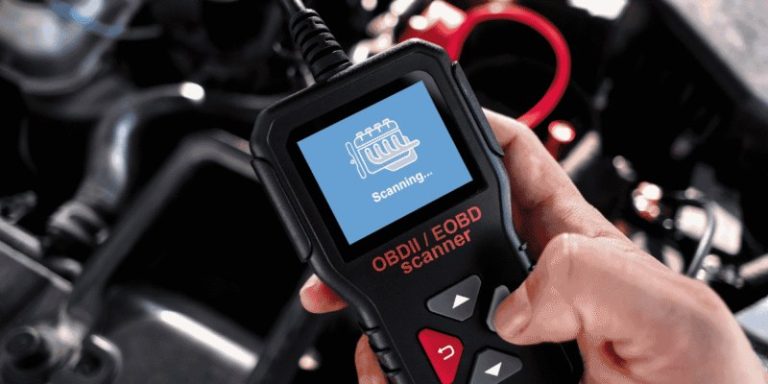
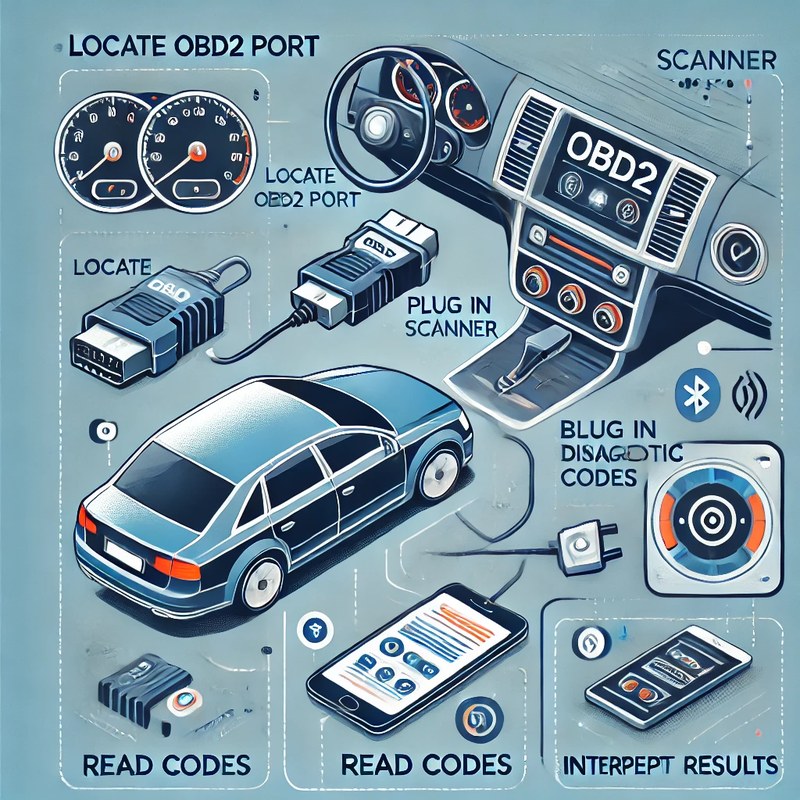
The OBD2 port is usually under the dashboard on the driver’s side, near the steering column or center console. If you cannot find it, check the owner’s manual or look for a plastic cover labeled “OBD” or “Diagnostic.”
For most code reads, turn the ignition to the “on” position without starting the engine. The scanner needs power from the port and communication from the computer. Some live-data tests require the engine to run, so check your scanner’s instructions first.
Model-Year and Protocol Coverage: OBD2 vs. OBD1 and Modern Vehicles
OBD2 became required on most gasoline vehicles sold in the US starting with the 1996 model year. Earlier vehicles use OBD1 systems that need different adapters and may not work with a standard OBD2 scanner at all.
Even among OBD2 vehicles, automakers use different communication protocols. Most affordable scanners cover the common protocols, but some brands and hybrids need special software or adapters. If your scanner says vehicle not supported, the car may use a protocol your tool cannot read.
The Most Common Root Causes Behind a Cluster of Codes
Vacuum Leaks and Mass Airflow Sensor Failures
A vacuum leak is one of the most common causes of multiple codes. Cracked hoses, loose intake boots, or a faulty PCV valve let unmetered air into the engine. The computer sees a lean condition and sets fuel trim, oxygen sensor, and misfire codes together.
A dirty or failing MAF sensor causes a similar problem. It reports the wrong amount of incoming air, so the computer calculates the wrong fuel mixture. The result is often a group of codes that look unrelated but share one cause.
Low Battery Voltage and Failing Ground Connections
A weak battery or loose ground cable can cause the computer to lose memory, reset itself, or receive unstable voltage. That can produce random codes across multiple systems, including transmission, ABS, and emissions.
If you see a long list of codes that do not seem related, check the battery voltage and cable connections before replacing any sensors. A simple voltage test can save you from buying parts you do not need.
Oxygen Sensor and Catalytic Converter Interactions
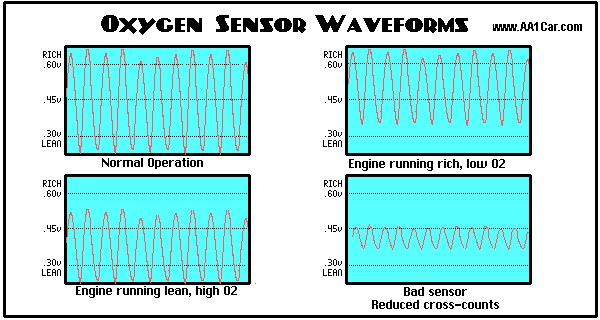
Oxygen sensors measure the exhaust before and after the catalytic converter. When a sensor fails, the computer may show a code for that sensor. But if the converter is clogged or damaged, it can also cause the downstream sensor to read incorrectly.
This is why you may see both an oxygen sensor code and a catalytic converter code at the same time. The converter may be fine, or the sensor may be fine — the codes alone cannot always tell you which one failed first. If you want to know whether the converter is actually failing, check our guide on whether an OBD2 scanner can detect a bad catalytic converter.
Reading the Cluster: Freeze-Frame, Live Data, and Emissions Readiness
Using Freeze-Frame Data to Identify the Trigger Event
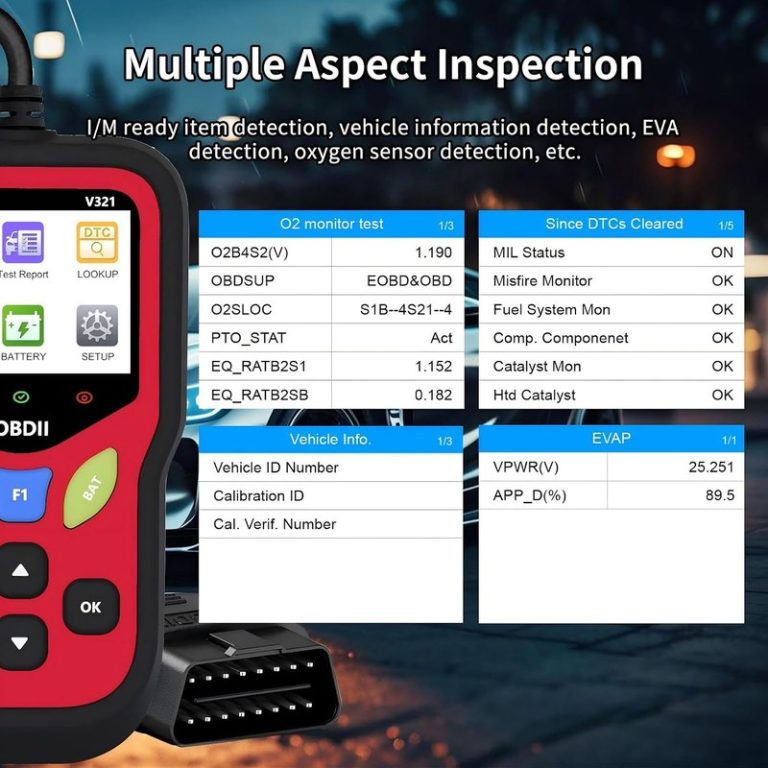
Freeze-frame data is a snapshot of engine conditions at the moment a code was set. It shows engine speed, coolant temperature, fuel trim, and vehicle speed at that exact time. This helps you understand what the engine was doing when the fault happened.
For example, a misfire code that appears only at highway speed points to a different cause than one that appears at idle. Write down the freeze-frame values before you clear anything. Live data goes further and shows real-time sensor values while the engine runs — learn how to find live data on an OBD2 scanner to get the full picture.
How Emissions Readiness Monitors Affect the Code Picture
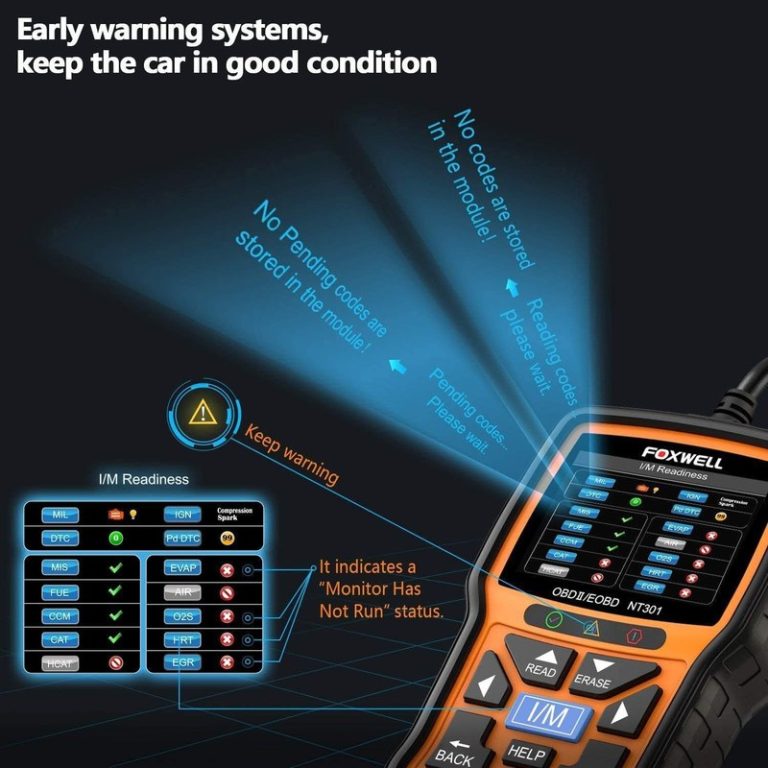
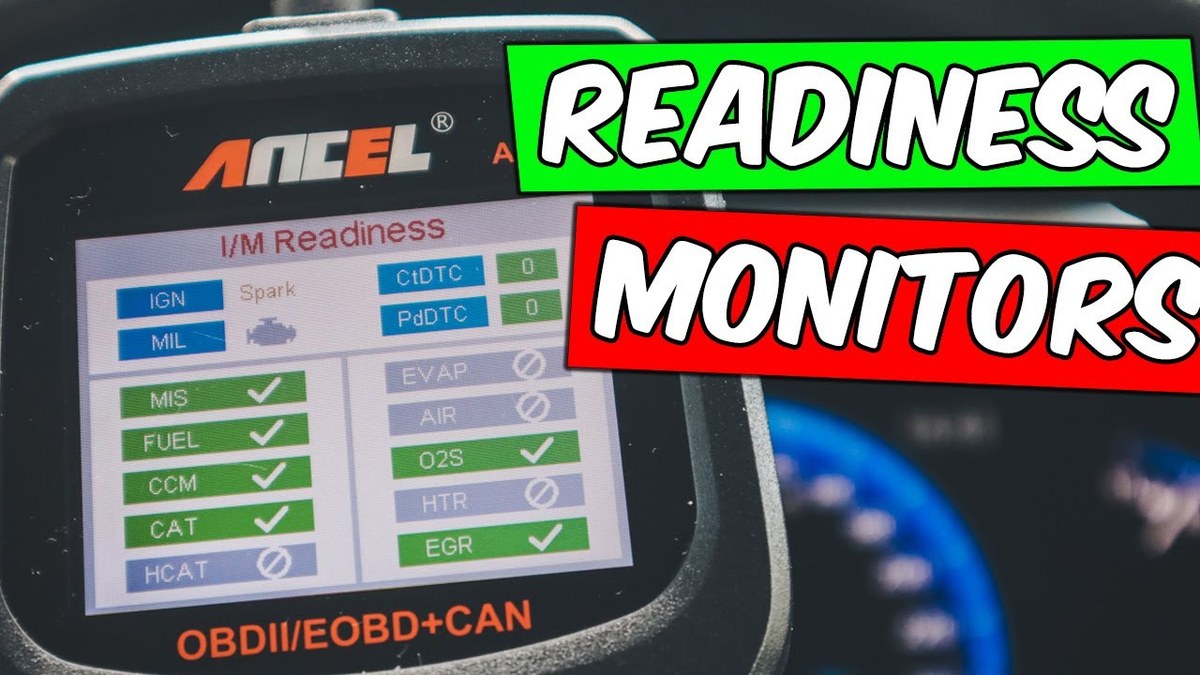
Emissions readiness monitors are self-tests the computer runs on systems like the catalytic converter, oxygen sensors, and evaporative emissions. Some monitors run only after the vehicle meets certain driving conditions.
If you clear codes before the monitors complete their tests, the readiness status resets to “not ready.” That can cause a vehicle to fail an emissions inspection even after the repair is done. Know your state’s rules before clearing codes on a car that needs an emissions test soon.
Primary vs. Secondary Codes: Which One Do You Fix First?
Identifying the Root-Cause Code vs. Symptom Codes
The primary code is the one that started the problem. Secondary codes are the ones created because the engine was running poorly. Fixing the primary code often makes the secondary codes disappear without any extra work.
A good rule: look for codes that share a system or a sensor. For example, a P0171 (system too lean) plus a P0300 (random misfire) plus a P0420 (catalyst efficiency) often trace back to the same vacuum leak or MAF issue. Fix that first, then re-scan.
Why Clearing Codes Before Repairing Causes Repeat Visits
Clearing codes without fixing the cause is like turning off a smoke alarm while the fire is still burning. The codes will come back, often within the same drive cycle, and you will be back where you started.
Worse, clearing codes erases freeze-frame data and resets readiness monitors. That removes useful evidence and can delay a proper diagnosis. If you are not ready to fix the problem, leave the codes in place and record what you see. This is a common reason the check engine light comes back after clearing codes.
Scanner Limitations Every Owner Should Know
Reset Limitations: Clearing Codes Is Not a Fix
A basic code reader can clear codes, but it cannot repair the underlying fault. It also cannot clear permanent codes, which are stored separately in the computer and only disappear after the system passes its own tests.
If you clear a code and it comes back immediately, the fault is active. If it comes back after a few days, the fault may be intermittent — which makes diagnosis harder and often requires live-data monitoring.
App Permissions and Bluetooth Scanner Privacy Caveats
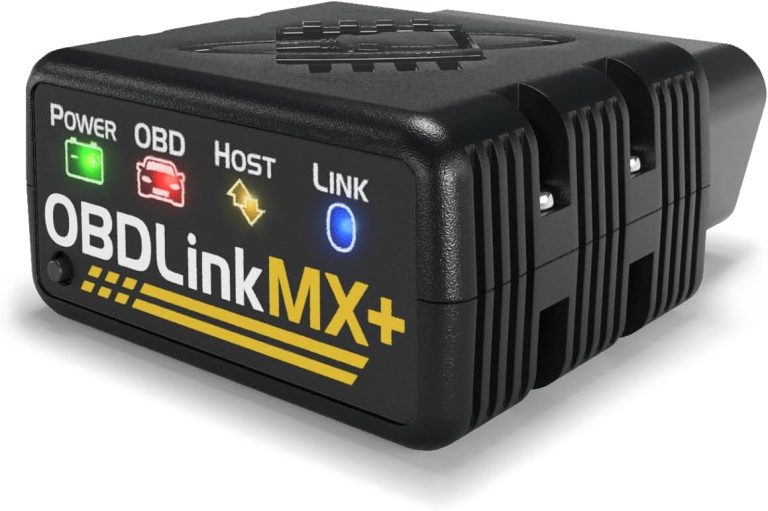
Many Bluetooth OBD2 scanners rely on a smartphone app. Before you install one, check what permissions the app requests. Some apps collect vehicle data, location, or account information and share it with third parties.
Read the app’s privacy policy and use a strong password for your account. If you sell the car or stop using the scanner, delete your vehicle data from the app and unpair the device from your phone.
Firmware Updates and Model-Specific Diagnostic Gaps
Scanner manufacturers release firmware updates to fix bugs and add coverage for newer vehicles. An outdated scanner may miss codes or misread them on a recent model. Check the manufacturer’s website for update instructions.
Also remember that a generic OBD2 scanner cannot access every module in your car. Airbag codes, ABS codes, and some hybrid or EV system codes may need a brand-specific scan tool or a professional-grade unit.
When to Keep Digging and When to Call a Professional
Safety-Critical Codes That Need Immediate Attention
Some codes should not wait. If the check engine light is flashing, that usually means a serious misfire that can damage the catalytic converter. Pull over safely and avoid heavy driving until the problem is checked.
Codes related to brakes, steering, airbags, or the charging system also need fast attention. A DIY scanner may read some of these, but the repair may involve safety systems that require special procedures and tools.
What a Professional Diagnostic Adds That a DIY Scanner Can’t
A professional scan tool can read manufacturer-specific codes, access all modules, run bidirectional tests, and view live data in real time. A shop also has the experience to interpret patterns that a basic code reader cannot show.
That does not mean every trip to the shop must start with a full diagnostic. But if the code cluster is confusing, or if the repair involves safety systems, a professional diagnosis is often the fastest and safest route.
Ownership Cost and Next Steps: From Diagnosis to Repair
What You Can Safely DIY With a Code Reader
A basic code reader is a great first step. You can read codes, record freeze-frame data, check pending codes, and clear codes after a repair. You can also check emissions readiness before an inspection.
Simple repairs like replacing an oxygen sensor, cleaning a MAF sensor, or tightening a loose gas cap are within reach for many DIY owners. Always follow the vehicle manual and use the correct parts for your exact make, model, and year.
The Real Cost of Guessing vs. Paying for a Professional Diagnosis
Replacing parts based on a guess is expensive. Sensors and modules cost real money, and you usually cannot return electrical parts once they are installed. A professional diagnostic fee is often less than the cost of one wrong part.
That said, a code reader is still worth owning. It helps you confirm whether the shop’s explanation makes sense, check whether the repair actually cleared the codes, and monitor the vehicle after the fix.
Before you buy anything, decide what you actually need. A basic reader is enough to read and clear engine codes. If you own a specific brand or a hybrid, check whether the scanner supports your vehicle before spending money.
- Record freeze-frame data and live readings before clearing any codes.
- Check battery voltage and ground connections when codes look random.
- Fix the root-cause code first and re-scan before buying more parts.
- Clear codes before you understand what they mean or before a shop sees them.
- Replace sensors based on a single code without checking shared causes.
- Ignore a flashing check engine light or safety-related codes.
- Best for: Owners who want to understand why multiple codes appear and which repair to tackle first.
- Think twice if: The codes involve airbags, ABS, hybrid systems, or a flashing check engine light — those need professional attention.
- Next step: Record the codes and freeze-frame data, check the battery, then look for one shared root cause before clearing anything.
Frequently Asked Questions
Yes. One root-cause fault, like a vacuum leak or weak battery, can trigger codes in several systems. The engine computer stores a code for every fault it detects, so multiple codes are common and often share one cause.
Fix the primary or root-cause code first. Look for codes that share a system or sensor, such as fuel trim, oxygen sensor, and misfire codes that all trace back to a vacuum leak. Re-scan after the repair to confirm the secondary codes cleared.
Yes. Low battery voltage or loose ground connections can cause random codes across multiple systems. Check battery voltage and cable connections before replacing sensors, since a simple voltage test can save you from unnecessary parts purchases.
No. Leave the codes in place until a mechanic can see them, and record freeze-frame data first. Clearing codes erases useful evidence and resets emissions readiness monitors, which can delay diagnosis and cause an emissions test failure.
Codes come back because the underlying fault is still there. Clearing codes only erases the stored information; it does not repair the problem. A code that returns immediately means an active fault, while one that returns later may be intermittent.
Basic code readers are affordable and prices vary by brand, features, and retailer. Professional-grade scanners cost significantly more and add live data, bidirectional tests, and access to more vehicle modules.