Why Does My Tire Pressure Light Come on When Tires Are Fine
Your tire pressure light can stay on even when the tires look fine because the pressure may still be wrong when cold, the TPMS may need a reset, or a sensor may be failing. Start with the door-jamb PSI, a trusted gauge, and a careful tire inspection before blaming the system.
Why does my tire pressure light come on when tires are fine? In most cases, the tires are not actually at the correct cold pressure, the system has not reset yet, or the TPMS itself has a sensor, relearn, or electrical problem. A tire can look normal and still be several PSI low, which is enough to trigger the warning on many vehicles.
- Cold PSI matters: Check pressure before driving, not after the tires warm up.
- Use the placard: Follow the driver-door PSI sticker, not the tire sidewall maximum.
- System type matters: Direct TPMS and indirect TPMS fail and reset in different ways.
- Don’t ignore repeats: A returning light can mean a slow leak, bad sensor, or wheel problem.
- Electrical issues exist: Weak 12-volt batteries can cause odd warning behavior on some vehicles.
Why the Tire Pressure Light Can Stay On Even When Your Tires Look Fine
A tire pressure warning light is meant to catch a problem before you can see it with your eyes. Modern tires can lose enough air to affect safety, fuel economy, and tread wear while still looking almost unchanged, especially on stiffer sidewalls or larger wheels.
How TPMS works in most 2026 U.S. vehicles
Most U.S. vehicles use a Tire Pressure Monitoring System, or TPMS. Direct TPMS uses a pressure sensor inside each wheel to measure air pressure and send that reading to the vehicle. Indirect TPMS does not read PSI directly. Instead, it watches wheel-speed data through the ABS system and looks for changes that suggest one tire is rolling differently.
That difference matters because the warning light may come on for very different reasons. A direct system may be responding to an actual low reading, a dead sensor battery, or a communication fault. An indirect system may need recalibration after inflation, rotation, or replacement.
The difference between a truly low tire and a false or misleading warning
A truly low tire means the pressure is below the vehicle’s recommended range, usually measured when the tire is cold. A misleading warning happens when the light stays on after pressure has been corrected, when the wrong wheel set is installed, or when the system cannot read one sensor properly.
Some warnings are not exactly false. For example, one tire may have been low yesterday morning, then warmed up during driving and now appears normal. The tire pressure changed, but the underlying leak or seasonal drop still needs attention.
Why “looks fine” is not the same as correct cold pressure
Visual checks are unreliable. A radial tire can be underinflated by several PSI and still look fine in the driveway. That is why a gauge matters more than appearance. If you want a better home-check routine, see this guide on how to check tire pressure at home.
Check This First: Door-Jamb Placard, Cold Pressure, and Gauge Accuracy

Before you suspect a bad sensor or computer issue, confirm the basics. Most repeat TPMS warnings come from checking pressure the wrong way, using the wrong PSI target, or trusting a poor gauge.
How to find the correct PSI on the driver-door placard
The correct pressure is usually printed on the driver-door or door-jamb placard, not on the tire sidewall. The sidewall shows the tire’s maximum pressure rating, which is not the same as the vehicle manufacturer’s recommended setting.
Use the placard value for front and rear tires. Some vehicles call for different PSI front to rear, and some specify a separate number for full-load driving.
Why morning cold-pressure readings matter more than warm-tire readings
Cold pressure means the car has been parked long enough for the tires to cool down, often overnight. Driving, sunlight, and hot pavement raise tire pressure naturally. If you set pressure after driving, you may end up underinflating the tire once it cools again.
That is why a morning reading is the best reference point. If you check the tires warm, compare carefully and avoid bleeding off air just to match the placard number.
How inaccurate gauges and gas-station inflators create repeat warnings
Not every gauge reads the same. Cheap stick gauges can be inconsistent, and gas-station inflators may have worn fittings or inaccurate displays. If the TPMS light returns after you “filled all four,” the problem may be your measurement tool, not the tire.
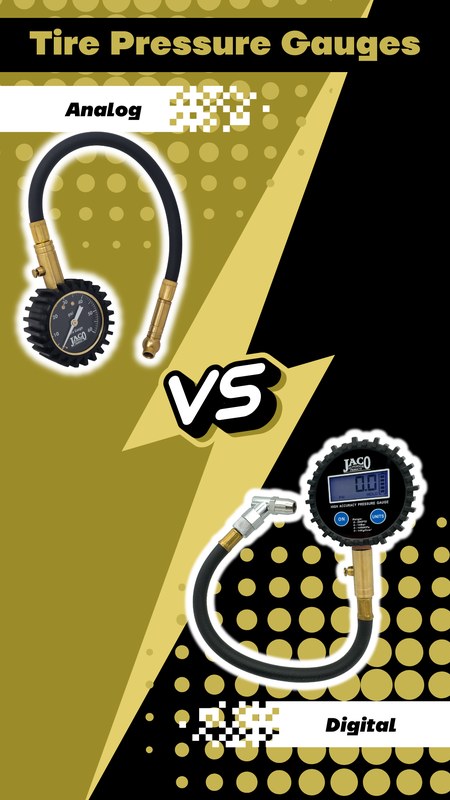
It helps to compare gauge types and keep one known-good gauge in the car. CarValleyNJ also covers digital vs analog tire pressure gauge differences if you are deciding what to trust long term.
Inflator duty cycle, overheating limits, and when to stop adding air
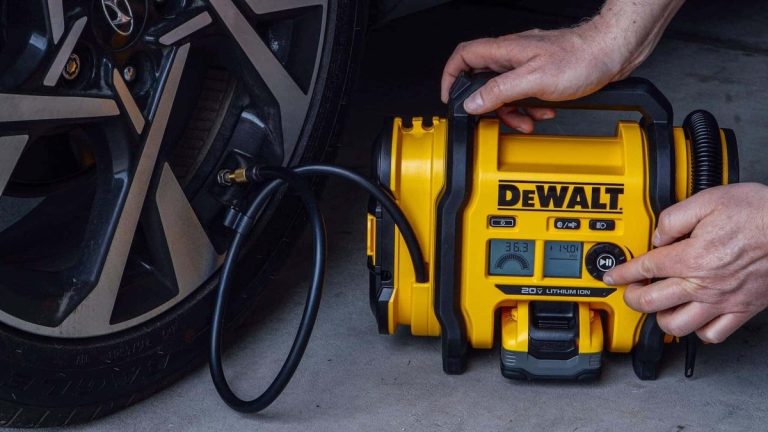
Portable inflators are useful, but they are not all built for long continuous use. Many compact units have a duty cycle, which means they need cooling breaks after running for a certain period. If the inflator gets very hot, slows down, or smells overheated, stop and let it cool according to its instructions.
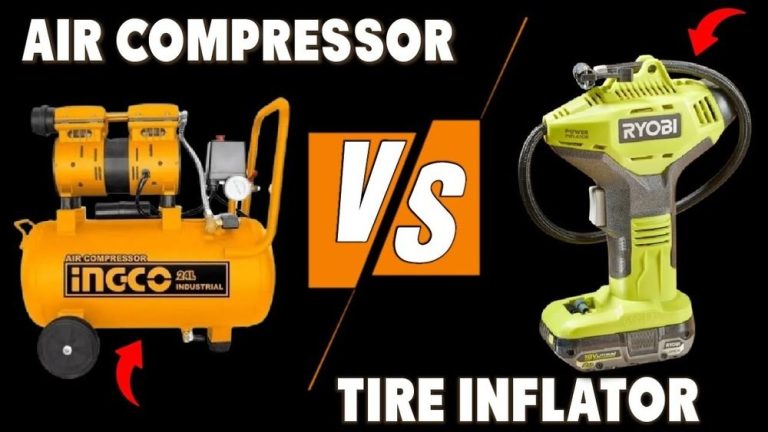
Also stop adding air if the pressure rises unusually slowly. That can point to a real leak, a bad valve core, or a damaged bead seal. For help choosing between common home options, this comparison on tire inflator vs air compressor for car tires is useful.
Common Reasons the TPMS Light Comes On When Tire Pressure Is Actually Correct
If all four tires match the placard when cold and the light is still on, the issue often falls into one of a few common patterns.
Seasonal temperature drops and overnight PSI changes
Air pressure drops as temperatures fall. A tire that was fine during a warm afternoon may trigger the light the next cold morning. Even if the pressure later rises after driving, the system may already have logged the low event.
One tire was briefly low and the system has not reset yet
Some vehicles need a manual reset, a relearn procedure, or a short drive cycle before the warning clears. If you recently inflated a low tire, the light may stay on until the system confirms stable readings again.
This is especially common after service. If that matches your situation, see how to reset TPMS light after tire rotation for model-specific reset basics.
Spare tire sensors, mismatched wheel sets, and relearn issues
Some vehicles monitor the spare, while others do not. A low spare tire or a spare with a failed sensor can keep the warning active. Seasonal wheel swaps can also cause trouble if the second wheel set has no sensors, incompatible sensors, or sensors that were never relearned to the car.
Weak TPMS sensor batteries and aging valve-stem hardware
Direct TPMS sensors have internal batteries that wear out with age. When battery voltage gets low, the sensor may report intermittently or stop reporting altogether. Corroded valve stems, damaged seals, or broken sensor housings can cause the same result.
On many vehicles, a flashing TPMS light at startup that later turns solid points more toward a system fault than a simple low-pressure condition. Your owner’s manual is the best source for that exact light behavior.
Recent tire rotation, replacement, or sensor programming errors
After tire work, the warning may come from a missed relearn, a sensor ID mismatch, or a damaged sensor during mounting. It can also happen if aftermarket sensors were installed but not programmed correctly for the vehicle.
Check: Verify whether your vehicle uses direct or indirect TPMS, whether the spare is monitored, and whether replacement sensors must be programmed or relearned. Limitations: Procedures vary widely by make, model, year, trim, and wheel package.
Direct TPMS vs Indirect TPMS: Which System Your Vehicle Uses and Why It Matters
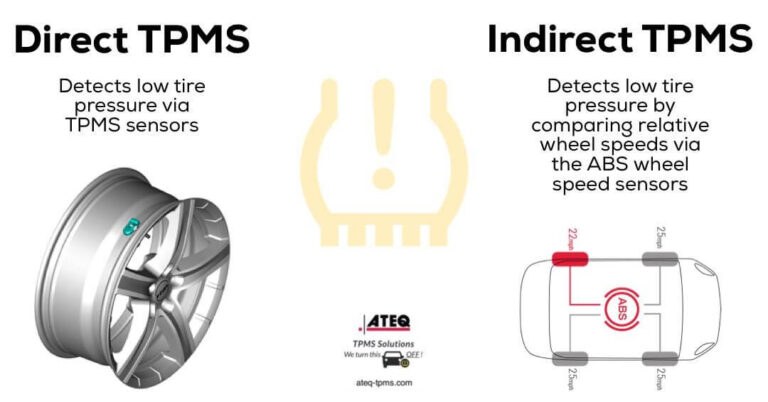
Knowing which type your vehicle uses saves time and guesswork. The troubleshooting path is different for each system.
Direct sensor-based systems: accuracy, battery life, and failure points
Direct TPMS gives actual pressure readings or at least a true low-pressure alert from sensors inside the wheels. It is generally more accurate for catching a single low tire, but it has more hardware that can fail. Sensor batteries age, valve stems corrode, and relearn procedures may be needed after service.
Indirect ABS-based systems: recalibration needs and false alerts
Indirect TPMS uses wheel-speed patterns instead of pressure sensors. It avoids sensor battery replacement, but it is more dependent on proper recalibration. If you inflate tires, rotate them, replace one tire, or change wheel size, the system may need to be reset through a dash menu or button.
Which setup is easier to maintain, cheaper to repair, and better for different drivers
Indirect systems are often cheaper to maintain because there are no wheel sensors to replace. Direct systems usually provide better pressure-specific warnings and can be more helpful for frequent highway drivers, long-distance commuters, and families who want earlier notice of a slow leak.
For owners, the trade-off is simple: direct TPMS usually gives better data, while indirect TPMS often avoids sensor replacement costs.
How to Troubleshoot the Warning Light Safely at Home
Start with safety before diagnosis. Do not kneel near traffic or keep driving on a tire you suspect is damaged.
Inspect tread, sidewalls, valve stems, and puncture location before driving farther
Look for nails, screws, cuts, bulges, cracking, or anything stuck in the tread. Check the valve stem for cracks or hissing. If one tire keeps losing pressure, spray soapy water on the tread and valve area while the vehicle is parked to look for bubbles.
When a nail in the shoulder or sidewall means no temporary repair
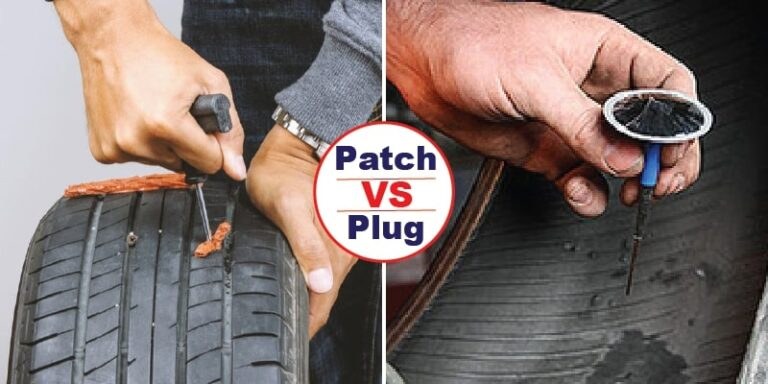
Punctures near the shoulder or in the sidewall are generally not safe candidates for a simple plug. Those areas flex too much, and a temporary repair can fail. If the damage is there, the safest next step is usually tire replacement or professional inspection.
Temporary sealant and plug limits versus professional-repair thresholds
Sealant kits and plug kits can help in a true emergency, but they are not universal fixes. They may not work on large punctures, sidewall damage, or bead leaks. They can also complicate later service if used improperly.
If you are unsure about repair limits, this article on can a tire plug kit fix a sidewall puncture explains why puncture location matters so much.
Safe parking location, traffic visibility, and roadside tool completeness before inspection
Pull well off the road on level ground if possible. Turn on hazard lights. Make sure you have a working gauge, inflator or spare, flashlight, and the tools needed for your lug nuts before starting any roadside check.
What to check after using an inflator, sealant kit, or spare
Recheck pressure with a gauge after inflation. If you installed a spare, confirm its pressure too. If you used sealant, follow the kit instructions exactly and understand that many kits require prompt professional inspection afterward.
Reset and Relearn Basics: Why the Light Does Not Always Turn Off Right Away
Many drivers expect the warning to disappear the second they add air. That is not always how TPMS works.
Manual reset buttons, infotainment menus, and drive-cycle relearn limits
Some vehicles have a TPMS reset button. Others use an infotainment menu. Some systems relearn automatically after a certain amount of driving at a steady speed. If the reset is started before pressures are set correctly, the system may learn the wrong baseline or fail to clear.
Why some vehicles need a TPMS scan tool or shop programming after service
Certain direct TPMS systems need a dedicated scan tool to activate sensors, register IDs, or relearn wheel positions. This is common after sensor replacement, wheel swaps, or certain tire-shop services.
Model-year and brand differences that affect reset success
There is no single reset method that works for every car. Procedures vary by manufacturer and sometimes by trim level. The owner’s manual or service information is more reliable than generic internet advice.
When repeated resets hide a real leak, sensor fault, or wheel issue
If the light keeps returning after proper inflation and reset attempts, stop treating it like a software annoyance. Repeated resets can hide a slow puncture, cracked wheel, leaking valve stem, or failing sensor.
When the Problem Is Electrical, Not Tire-Related
Not every TPMS warning starts at the tire. Weak vehicle voltage can create odd warning behavior, especially during cold weather or after the car sits for long periods.
Low 12-volt system voltage and how weak batteries trigger warning behavior
If the 12-volt battery is weak, control modules may boot slowly, lose communication briefly, or set intermittent faults. That can affect warning lights, including TPMS-related alerts on some vehicles.
State of charge versus battery health in modern cars, hybrids, and EVs
A battery can show enough voltage to start the car and still be in poor health. State of charge is not the same as battery condition. Hybrids and EVs still rely on a 12-volt system for many electronics, even though they also have a high-voltage battery pack.
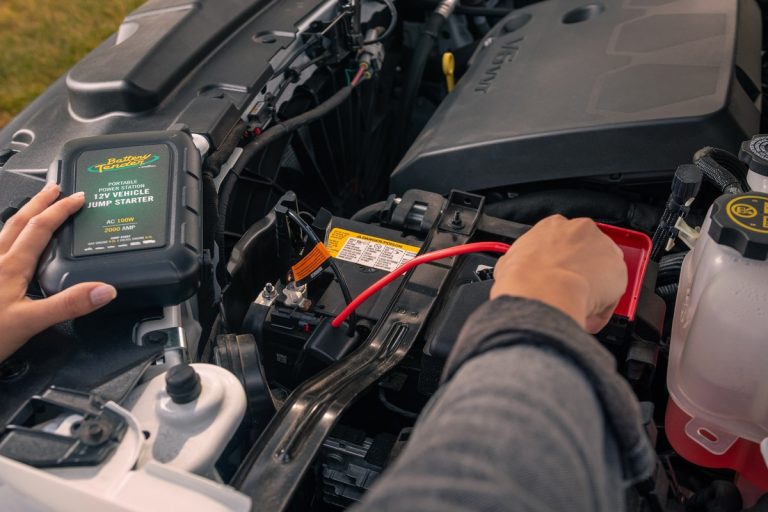
Battery chemistry, damaged-battery stop conditions, and safe connection order for jump starts
If you need a jump start, follow the vehicle manual exactly. Wrong connection order, sparks near the battery, or signs of battery damage are serious safety issues. Swelling, leaking, or a strong sulfur smell means stop and get professional help.
Hybrid and EV cautions before touching the 12-volt system or TPMS components
On hybrids and EVs, never confuse the low-voltage battery area with high-voltage components. Orange cables and high-voltage hardware should be treated as off-limits unless the manual specifically directs otherwise.
Using an OBD2 Scanner or App for TPMS-Related Diagnosis: What It Can and Cannot Tell You
Many owners assume any OBD2 scanner can read TPMS data. That is often not true.
Model-year and protocol coverage limits across U.S. vehicles
Basic code readers mainly cover emissions-related systems. TPMS access may require manufacturer-specific support, enhanced diagnostics, or a dedicated TPMS tool. Coverage varies by vehicle and by scanner software.
OBD2 port location, correct ignition mode, and why some data will not appear
The OBD2 port is usually under the dash on the driver side, but access and ignition mode matter. Some tools need key-on engine-off, while others need the engine running. Even then, TPMS data may not appear if the tool does not support that module.
Code-reading versus live-data access: TPMS support is often manufacturer-specific
Reading generic trouble codes is not the same as seeing live tire-pressure data or sensor IDs. Many apps and low-cost scanners can clear a check engine light but cannot talk to the TPMS module at all. If your tool will not connect properly, this guide on why an OBD2 scanner won’t connect covers common setup problems.
Emissions readiness, reset limitations, firmware updates, and app permissions to watch
Clearing codes can reset emissions readiness monitors, which matters before inspections in some states. App-based scanners may also require Bluetooth permissions, account sign-in, firmware updates, or paid features for expanded module access.
When a scan tool helps, when it does not, and when diagnosis needs a professional
A scan tool helps when it can confirm a sensor fault, communication issue, or battery-voltage problem. It does not replace a pressure gauge, visual inspection, or a proper TPMS relearn tool when the vehicle requires one.
When to Keep Driving, When to Stop, and When to See a Tire Shop Immediately
The right next step depends on how the warning behaves and whether the tire is actually losing air.
Warning-light patterns that signal urgency versus minor calibration issues
A steady light often points to low pressure. A flashing light that turns solid often suggests a system fault, though exact meanings vary by vehicle. If the car pulls to one side, the tire looks damaged, or pressure drops again after inflation, treat it as urgent.
Safety, handling, braking, fuel economy, and tire-wear impact of ignoring the light
Low pressure can increase heat, reduce stability, lengthen braking distances, and wear the tire unevenly. It can also hurt fuel economy and shorten tire life. If you are wondering how risky it is to continue, CarValleyNJ also explains can you drive with low tire pressure.
Ownership cost: sensor replacement, leak repair, wheel damage, and premature tire wear
Ignoring the light can turn a small puncture or valve issue into a ruined tire or damaged wheel. Sensor replacement, relearn service, and leak diagnosis are usually cheaper than replacing a tire worn out by underinflation.
The smartest next step for daily drivers, winter commuters, road-trippers, and older vehicles
For most drivers, the smartest next step is simple: check all pressures cold with a trusted gauge, inspect for damage, reset the system if your manual calls for it, and monitor the tire over the next day or two. If the warning returns, get a tire shop to check for leaks, sensor faults, or wheel damage.
- Use the driver-door placard PSI, not the tire sidewall number
- Check pressure when the tires are cold and with a reliable gauge
- Inspect the spare, valve stems, and recent tire-service history
- Assume a normal-looking tire is correctly inflated
- Keep resetting the light without checking for leaks or sensor faults
- Use a plug or sealant on sidewall damage as a permanent fix
- Best for: Drivers who want a clear path to separate a real low-tire problem from a reset, sensor, or electrical issue.
- Think twice if: You plan to rely on visual checks alone or keep driving after repeated pressure loss or visible tire damage.
- Next step: Set all four tires to the door-placard PSI when cold, then inspect for leaks and follow the vehicle’s TPMS reset or relearn procedure.
Frequently Asked Questions
Yes. A tire can be underinflated without looking flat, especially on modern vehicles with stiff sidewalls. Check all tires cold with a reliable gauge and compare them to the driver-door placard.
Some systems need a reset, relearn, or short drive cycle before the light clears. If it stays on, the tire may still have a leak or the system may have a sensor or programming fault.
Sometimes. A basic OBD2 scanner often cannot read TPMS data, while some vehicles need a dedicated TPMS tool for sensor activation or relearn. Coverage depends on the vehicle and the scan tool’s software support.
Yes. Overnight temperature drops can lower PSI enough to trigger the light even if the tire looked fine the day before. Set pressure when the tires are cold and recheck after the weather changes.
Only for limited situations and only if the puncture is in a repairable tread area. Sidewall and shoulder damage are not safe for simple temporary repairs and should be inspected professionally.
It can on some vehicles, especially if the 12-volt battery is weak after sitting or during cold weather. Low voltage can cause communication issues or odd warning-light behavior that looks unrelated to the tires.