Why Does My Car Battery Test Good but Still Dies? Common Causes
A battery can test good and still die if the alternator is weak, the car has a parasitic draw, or the cables and grounds are poor. Check voltage, connections, and charging behavior before replacing the battery again.
why does my car battery test good but still dies is usually a sign that the battery itself is only part of the story. A battery can pass a basic test and still go dead because of a weak charging system, a hidden electrical draw, poor cable connections, short-trip driving, or an intermittent starting-system fault.
- Battery test limits: A pass does not rule out alternator, starter, or overnight draw problems.
- Check connections: Loose or corroded terminals can mimic a dead or failing battery.
- Know your vehicle: Some newer start-stop, hybrid, and luxury models need battery registration or special service steps.
- Use tools correctly: A multimeter checks voltage, but it does not directly measure parasitic draw by itself.
- Stop for damage: Do not charge or jump a swollen, leaking, cracked, or overheated battery.
Why a Car Battery Can Test Good but Still Die: The Short Answer
A battery test result only answers a narrow question. It may show that the battery has acceptable voltage or enough cold-cranking ability at that moment, but it does not automatically prove the rest of the vehicle is working correctly.
State of charge vs. battery health vs. starting power
These three ideas get mixed up all the time. State of charge means how full the battery is right now. Battery health means how much life and capacity it still has. Starting power means whether it can deliver enough current for the starter under load.
A battery can be healthy but discharged. It can also be fully charged but weak under load. And some quick parts-store tests mainly estimate condition based on the battery’s present charge level and internal resistance, not every real-world failure mode.
Why a “pass” on a battery test does not rule out a charging, parasitic-draw, or connection problem
If the alternator is not recharging the battery, the battery may test fine after being charged and then go dead again a day later. The same thing happens when a module stays awake overnight, a trunk light stays on, or corrosion adds resistance at the terminals.
That is why a “good battery” result should be treated as one clue, not a final answer. If the car keeps needing a jump, the system around the battery needs attention too.
Start With the Basics: Voltage, Connections, and Immediate Stop Conditions
Normal system voltage ranges with engine off, cranking, and running
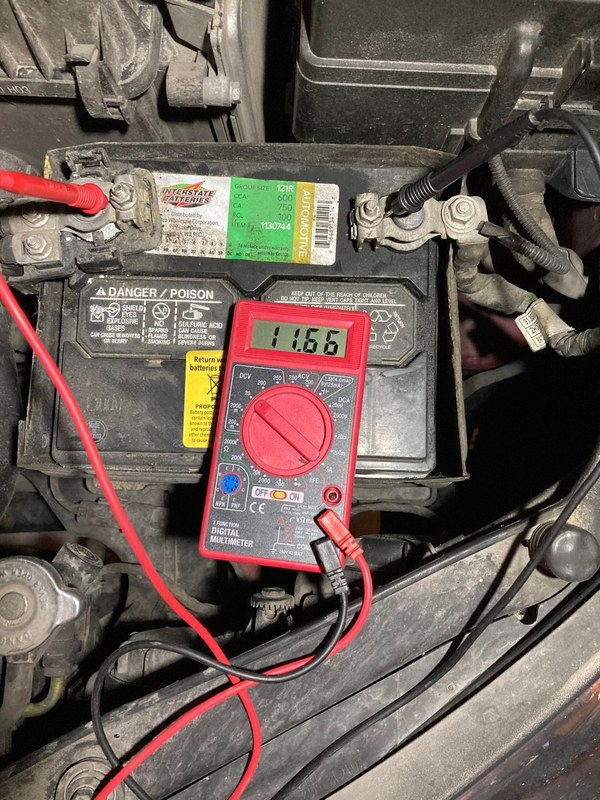
For most 12-volt vehicles, a rested battery around 12.6 volts is generally considered fully charged. Around 12.4 volts suggests a partial charge. If it drops much lower, starting becomes less reliable.
During cranking, voltage will dip. A brief drop is normal, but a severe drop can point to a weak battery, bad cable, poor ground, or a starter drawing too much current. With the engine running, most vehicles should show charging voltage above resting battery voltage. Exact numbers vary by vehicle, temperature, and charging strategy.
Correct battery connection order and why loose or corroded terminals mimic a bad battery
Loose terminals can act just like a dead battery. The starter needs high current, and even small resistance at the clamp or ground point can stop the car from cranking.
When disconnecting a 12-volt battery, the negative cable is typically removed first. When reconnecting, positive is usually connected first and negative last. Always verify the vehicle manual, especially on vehicles with battery-monitoring sensors or special service procedures.
White, green, or blue corrosion around the terminals is a red flag. So are clamps that rotate by hand, frayed cables, and ground straps that look overheated or brittle.
When to stop using the battery: swelling, leaks, heat, cracked case, or damaged cables
If the battery case is swollen, leaking, cracked, or unusually hot, stop trying to charge or jump-start it. Physical battery damage can mean internal failure, gas buildup, or acid exposure risk.
Hybrid and EV cautions for 12-volt systems and high-voltage components
Many hybrids and EVs still have a 12-volt battery that powers computers, locks, lights, and startup logic. A weak 12-volt battery can still cause a no-start or warning-light mess even when the high-voltage pack is fine.
But the high-voltage system is a different world. Do not probe orange cables, open high-voltage covers, or guess your way through service steps. The safe DIY limit is usually the 12-volt side only, and even then, the owner’s manual matters.
Check: Verify make, model, year, trim, battery location, battery-monitoring sensors, and any battery registration or coding requirements. Limitations: Some hybrids, EVs, and start-stop vehicles have special replacement and charging procedures that should not be guessed.
Most Common Reasons a Good Battery Still Goes Dead
Bad alternator output, failing voltage regulator, or slipping serpentine belt
The alternator keeps the battery charged while you drive. If it undercharges, overcharges, or charges only sometimes, the battery may pass a test one day and be dead the next morning.
A failing voltage regulator can cause unstable charging. A worn or slipping serpentine belt can reduce alternator output, especially when wet or cold. Dim lights, battery warning lights, and a burning-rubber smell can all point in this direction.
Parasitic draw from lights, modules, alarms, chargers, or aftermarket accessories
A parasitic draw means something keeps using power after the car is shut off. Common causes include glove-box lights, trunk lights, phone chargers, dash cams, alarm systems, remote starters, GPS trackers, and control modules that never go to sleep.
If your battery dies after sitting overnight or after a weekend, that pattern often points to a key-off draw. CarValleyNJ covers that symptom more directly in this guide to a car battery dead after sitting overnight.
Short-trip driving that never fully recharges the battery
Short commutes can slowly drain a battery even when nothing is technically broken. Starting the engine uses a lot of energy. If the car is driven only a few minutes at a time, the alternator may not replace what was used.
This is more common in winter, with heavy accessory use, and in vehicles with lots of electronics. It also affects cars that sit for long periods between short errands.
Extreme heat, extreme cold, and battery chemistry limits in AGM, flooded, EFB, and lithium jump packs
Heat speeds up battery aging. Cold reduces available power and makes the engine harder to crank. That combination can make a battery seem fine in mild weather and unreliable in temperature extremes.
Battery type matters too. AGM, flooded, and EFB batteries have different charge acceptance and durability traits. Lithium jump packs are useful emergency tools, but they do not fix a charging-system fault or a constant parasitic draw.
Intermittent starter, ignition-switch, ground, or fuse-box faults
Sometimes the battery is innocent. A starter with internal wear may draw too much current or fail only when hot. A bad ignition switch may not send a proper start signal. A weak ground can create random no-starts and flickering electronics.
Fuse-box corrosion, water intrusion, and loose relays can also create hard-to-catch electrical faults. If the battery tests good but the car still clicks, hesitates, or loses power at random, these parts deserve attention.
How to Troubleshoot the Problem at Home Without Making It Worse
Safe parking location, traffic visibility, and emergency-tool readiness before testing
Do your checks in a safe place first. Flat ground, good light, and no moving traffic nearby are more important than rushing into a test. If you are on the shoulder, in bad weather, or near fast traffic, roadside assistance is often the better choice.
It also helps to keep basic gear in the car. A flashlight, gloves, tire gauge, and jumper or jump pack are part of a sensible emergency setup, much like the items listed in this trunk tool checklist.
Using a multimeter the right way: resting voltage, cranking drop, and charging-voltage checks
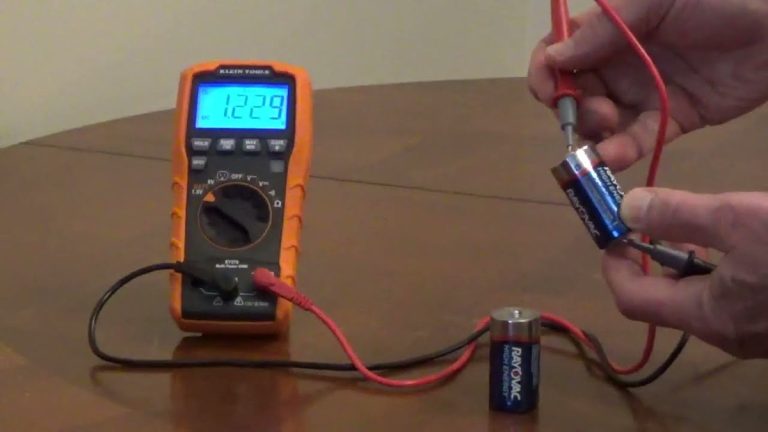
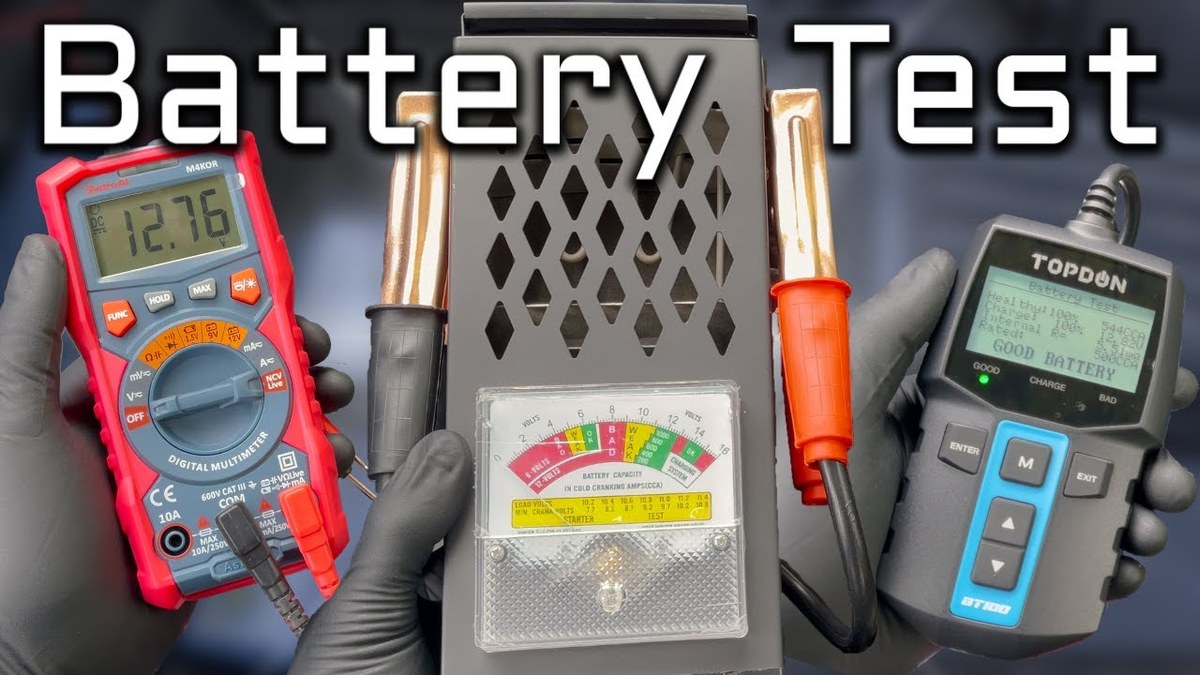
A digital multimeter can tell you a lot if used correctly. Check resting voltage with the engine off after the vehicle has sat. Then watch voltage during cranking. Finally, check charging voltage with the engine running.
This will not replace a full battery conductance test or a professional parasitic-draw test, but it can separate a discharged battery from a charging-system issue. If you want the step-by-step basics, see how to test a battery with a multimeter.
Checking cable condition, grounds, and current limits before jump-starting
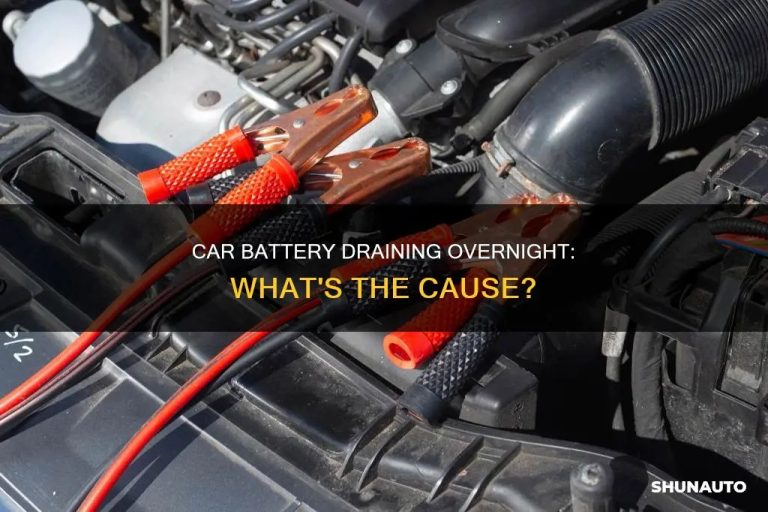
Before jumping the vehicle, inspect the battery posts, clamps, and visible ground points. If the cable insulation is damaged or the clamps are badly corroded, jumping may not solve the real problem.
Also make sure your jump pack or cables are appropriate for the vehicle. Small packs may struggle with larger engines or very low batteries. If you are comparing emergency options, this jump starter guide helps explain fit and limits.
- Test in a safe location with the vehicle in park and accessories off
- Inspect terminals, grounds, and visible cable damage before blaming the battery
- Record voltage readings before disconnecting parts or clearing codes
- Keep jump-starting a swollen, leaking, or overheated battery
- Assume one battery test rules out alternator or parasitic-draw problems
- Probe hybrid or EV high-voltage components without proper training
Post-use inspection for cables, jump packs, clamps, and storage conditions
After a jump-start or charging session, check your tools before putting them away. Look for melted insulation, bent clamps, cracked housings, or loose connectors. Store jump packs within the maker’s recommended temperature range and recharge them on schedule.
OBD2 Diagnostics for Battery Drain and Charging Problems: What It Can and Cannot Tell You
Model-year and protocol coverage in the U.S.: OBD-II readiness from 1996 vehicles and common CAN-era limits
For U.S. vehicles, OBD-II support starts with 1996 model-year compliance for light-duty vehicles. That makes a basic scanner useful for many charging-related trouble codes, but coverage still varies by make, model, and system.
Generic scanners are strongest on emissions-related engine data. They are often weaker on body modules, comfort systems, and sleep-state faults that can cause battery drain.
OBD2 port location, ignition mode, and why KOEO vs. engine-running data matters
The OBD2 port is usually under the dash on the driver side, but location varies. Key on engine off, often called KOEO, can show stored codes and some sensor data without charging voltage in play. Engine-running data can reveal alternator behavior, idle stability, and charging-related trouble signs.
Useful codes and live data for charging faults, misfires, idle issues, and module sleep problems
OBD2 can help when the battery problem is tied to rough idle, stalling, misfires, or charging-system complaints that trigger engine or network codes. Live data can also show if low voltage is upsetting idle control or module communication.
Some advanced scan tools may access more body-control information, but that depends heavily on software, subscriptions, and vehicle support.
Code-reader limits: no direct parasitic-draw measurement, incomplete body-module access, and reset limitations
An OBD2 scanner does not directly measure parasitic draw. For that, you usually need an ammeter-based test and enough vehicle-specific knowledge to avoid waking modules during diagnosis.
Many code readers also cannot see every body or convenience module. So if your car drains overnight with no useful codes, scan results alone may not solve it.
Emissions readiness after clearing codes and why monitors may not set right away
Clearing codes can erase useful clues and reset emissions readiness monitors. If you clear codes before an inspection or before writing down what you found, you may create extra work and confusion.
App permissions, Bluetooth privacy concerns, scanner firmware updates, and compatibility checks
Bluetooth scan tools can be convenient, but they may involve app permissions, account logins, firmware updates, and data-sharing terms. Review what the app requests before pairing it with your phone.
When scan-tool results are not enough and professional diagnosis is the smarter move
If the battery keeps dying and you have no clear charging-voltage issue, no obvious corrosion, and no simple accessory left on, the next step may be professional diagnosis. A shop can perform a proper draw test, voltage-drop test, starter-current test, and charging-system analysis without guesswork.
Battery Testers, Jump Packs, and Trickle Chargers Compared Side by Side
What each tool actually proves: battery health, state of charge, reserve capacity, or charging support
These tools do different jobs. A battery tester estimates battery condition and cranking ability. A jump pack helps start the car once. A trickle charger or maintainer helps keep a battery topped up during storage or light use.
None of them alone proves the whole electrical system is healthy. If you want a clearer picture of what a tester can and cannot tell you, CarValleyNJ explains that in this battery tester guide.
Which option fits commuters, seasonal drivers, cold-climate owners, and vehicles with heavy electronic loads
Daily commuters benefit most from finding the root cause fast, since repeated no-starts waste time and can leave you stranded. Seasonal drivers often benefit from a maintainer. Cold-climate owners may want both a healthy battery and a jump pack. Vehicles with many accessories may need a better battery match and closer draw testing.
Current limits, safety tradeoffs, ownership cost, and maintenance requirements
Jump packs have output limits. Chargers have chemistry and mode limits. Battery testers have battery-type and rating-entry limits. The right choice depends on your vehicle, storage pattern, and whether you are diagnosing or just trying to avoid being stranded.
| Option | Best for | Owner consideration | Driver consideration |
|---|---|---|---|
| Battery tester | Checking battery condition and cranking ability | Needs correct battery type and rating input | Helps reduce guesswork before a no-start gets worse |
| Jump pack | Emergency starts | Needs periodic charging and storage care | Useful roadside backup, but not a permanent repair |
| Trickle charger or maintainer | Stored or lightly used vehicles | Must match battery chemistry and charging mode | Best used while parked in a safe location, not as a driving fix |
Vehicle Compatibility Issues That Commonly Get Missed
Start-stop systems, battery registration, and why some 2010s-2026 vehicles need coding after replacement
Many newer vehicles, especially luxury models and start-stop vehicles, monitor battery condition closely. Some require battery registration or coding after replacement so the charging system knows the new battery’s type and age profile.
If that step is skipped, charging behavior can be wrong even with a brand-new battery. This is a common reason owners think the replacement battery is defective.
Correct battery group size, CCA, reserve capacity, and chemistry compatibility
The replacement battery needs more than the right physical size. Group size, terminal layout, cold-cranking amps, reserve capacity, and chemistry all matter. Using the wrong flooded, AGM, or EFB type can create charging and lifespan problems.
Aftermarket audio, dash cams, remote starters, trackers, and trailer-brake controllers as hidden drains
Aftermarket electronics are frequent trouble spots. Some are wired correctly and sleep normally. Others stay awake, are tied to constant power, or were installed with poor grounds or fuse taps.
Related Warning Systems: TPMS, Low Voltage Glitches, and Roadside Repair Limits
How low system voltage can trigger false warning lights, no-start events, and module communication faults
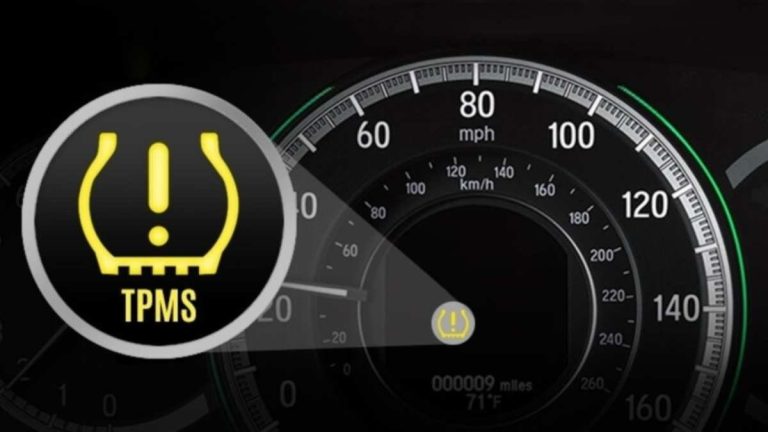
Low voltage can confuse modern vehicles. You may see ABS, traction, steering, TPMS, or communication warnings that look unrelated to the battery. Sometimes those warnings clear once proper voltage returns. Sometimes they reveal a deeper charging or wiring problem.
Using the door-jamb placard, cold tire pressure, and gauge accuracy after a dead-battery roadside stop
If you stop roadside for a dead battery, it is easy to ignore tire condition. But if the vehicle has been sitting low on power or parked for a while, check tire pressure too. Use the driver-door placard, not the tire sidewall, and measure when the tires are cold if possible.
Inflator duty cycle, TPMS relearn limits, puncture location, and when a temporary repair is not enough
A portable inflator can help after a roadside stop, but inflators have duty-cycle limits and are not a substitute for a proper tire repair. TPMS warning lights may also need driving time or a relearn procedure depending on the vehicle.
Professional-repair thresholds for sidewall damage, repeated pressure loss, or unsafe roadside conditions
If the tire has sidewall damage, repeated loss of pressure, or a puncture in a non-repairable area, do not rely on a temporary fix. Unsafe shoulder conditions, poor visibility, or severe weather are also good reasons to stop DIY efforts and call for help.
When to Repair, Replace, or Seek Professional Help
Signs the battery is not the real problem
If the battery repeatedly tests good after charging but still goes dead, the battery may not be the main failure. Other clues include battery warning lights while driving, repeated overnight drain, dim lights at idle, random electronics glitches, or a starter that clicks without turning the engine.
When alternator, starter, wiring, or module testing should be done by a shop
Professional help makes sense when the fault is intermittent, when the vehicle has advanced battery management, or when a parasitic draw test is needed. It is also the safer option for hybrids, EVs, or any vehicle with visible cable damage, overheating, or water intrusion.
Expected repair costs, downtime, warranty questions, and practical next steps for U.S. drivers in 2026
Costs vary widely by vehicle, battery location, labor time, and whether the real issue is the battery, alternator, starter, or electrical diagnosis. Warranty coverage also varies by battery brand, retailer, and whether the failure is considered a battery defect or a vehicle charging problem.
The practical next step is simple: confirm battery voltage, inspect connections, check charging voltage, and pay attention to when the battery dies. That pattern often tells you whether you are dealing with charging loss, overnight draw, or a starting-system fault.
- Best for: Drivers who need to figure out whether a repeat dead-battery problem is really the battery, the alternator, a parasitic draw, or a wiring issue.
- Think twice if: The battery is swollen, leaking, overheated, or the vehicle is a hybrid or EV with service steps you cannot verify safely.
- Next step: Check resting and running voltage, inspect terminals and grounds, and get a professional draw or charging-system test if the battery keeps dying after a confirmed full charge.
Frequently Asked Questions
Yes. A quick test may show acceptable voltage or cranking ability at that moment, but it may miss intermittent issues or a battery that is not being recharged properly. It also does not rule out bad cables, grounds, or a parasitic draw.
If the battery keeps going dead after driving, check charging voltage with the engine running. Dim lights, a battery warning light, or repeated no-starts after a full charge can all point to alternator or voltage-regulator trouble.
Not always. Repeated jump-starts can hide a bigger charging or wiring fault, and they are unsafe if the battery is swollen, leaking, cracked, or very hot. If the problem keeps returning, diagnose the cause before relying on another jump.
Usually not directly. A scanner may show low-voltage symptoms or related fault codes, but it does not measure key-off current draw the way a proper parasitic-draw test does. It is one tool, not a complete answer.
Check your vehicle’s battery type, engine size, 12-volt system needs, and any start-stop or battery-registration requirements. Also review tool compatibility, cable quality, storage needs, and whether the device supports AGM, flooded, or other battery chemistries.
It is worth it when the battery tests good but still dies repeatedly, especially if the fault is intermittent. A shop can perform draw testing, starter-current testing, and voltage-drop checks that are hard to do accurately at home.