Does an OBD-II Scanner Work on All Auto Brands? Compatibility Guide
An OBD2 scanner can help you find trouble codes, but it may not work with every vehicle or every system. In the United States, cars and light trucks from the 1996 model year onward generally use standardized OBD2 systems.
Most OBD2 scanners can read basic engine and emissions codes on compatible vehicles, but coverage for ABS, airbags, transmissions, and special functions varies by vehicle and scanner. Older vehicles, vehicles sold in other markets, and models with limited manufacturer support may need a different tool or adapter. This article explains how to check compatibility before you buy or connect a scanner.
For most U.S. cars and light trucks from 1996 onward, a basic OBD2 scanner should read engine and emissions codes. If you need ABS, airbag, transmission, battery, TPMS, or service-reset access, choose a scanner that lists your exact make, model, year, and required system before buying.
- For basic check-engine lights: start with a simple OBD2 code reader.
- For app-based diagnostics: compare Bluetooth OBD2 scanners and app support.
- For long-term ownership: consider a no-subscription scanner if you do not want recurring fees.
Key Takeaways
- Most U.S. vehicles from 1996 onward support basic OBD2 functions.
- Scanner features vary by vehicle system and manufacturer.
- Older or non-U.S. vehicles may need special equipment.
Quick Answer: Does an OBD-II Scanner Work on All Auto Brands?
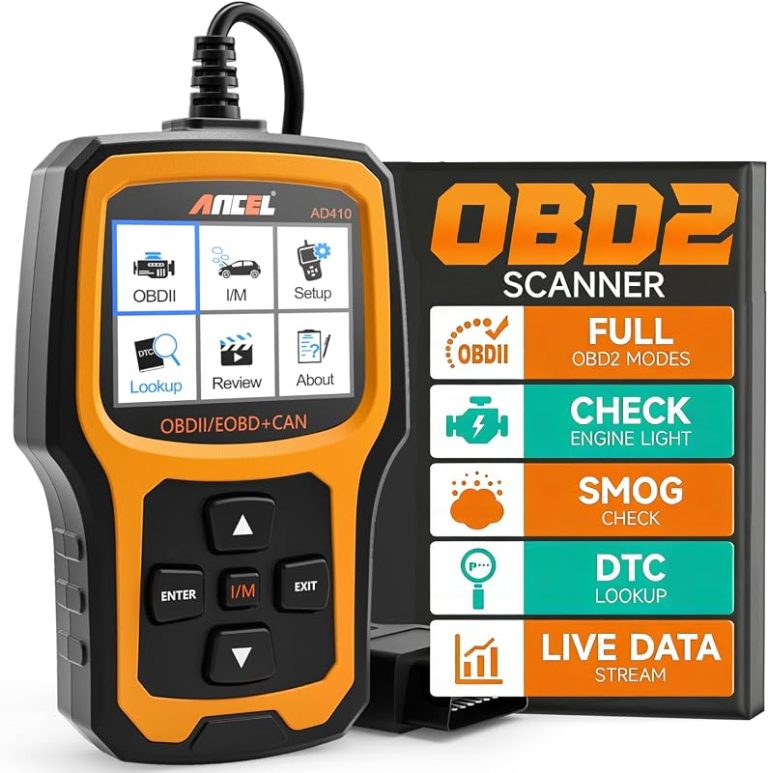
Most OBD-II scanners work across auto brands for basic engine codes on compliant vehicles, but they do not unlock every brand-specific module. A Bosch, BlueDriver, Foxwell, ANCEL, or TOPDON scanner can usually read generic powertrain codes, while ABS, airbag, transmission, TPMS, and service-reset functions depend on the scanner and vehicle.
OBD2 Standards and Vehicle Coverage
Will a Bosch OBD2 Scanner Work on All Cars?
A Bosch OBD2 scanner should work on most OBD2-compliant cars for basic engine codes, especially 1996+ gasoline vehicles sold in the USA. It still will not cover every module, reset, diesel system, hybrid system, or manufacturer-specific function on every car, so check the model-year and feature list before buying.

Good Cross-Brand Starter Scanner: BlueDriver
Choose a cross-brand OBD-II scanner for basic check-engine diagnostics, then verify enhanced-system support if you need brand-specific modules.
Bosch OBD2 Scanner Search
Use this if you want a Bosch-branded scanner, but compare the exact model carefully for ABS, SRS, transmission, service reset, and vehicle coverage.
| Need | Better Fit | Why |
|---|---|---|
| Basic check-engine codes | Bosch or budget handheld scanner | Usually enough for OBD2 P-codes and emissions readiness. |
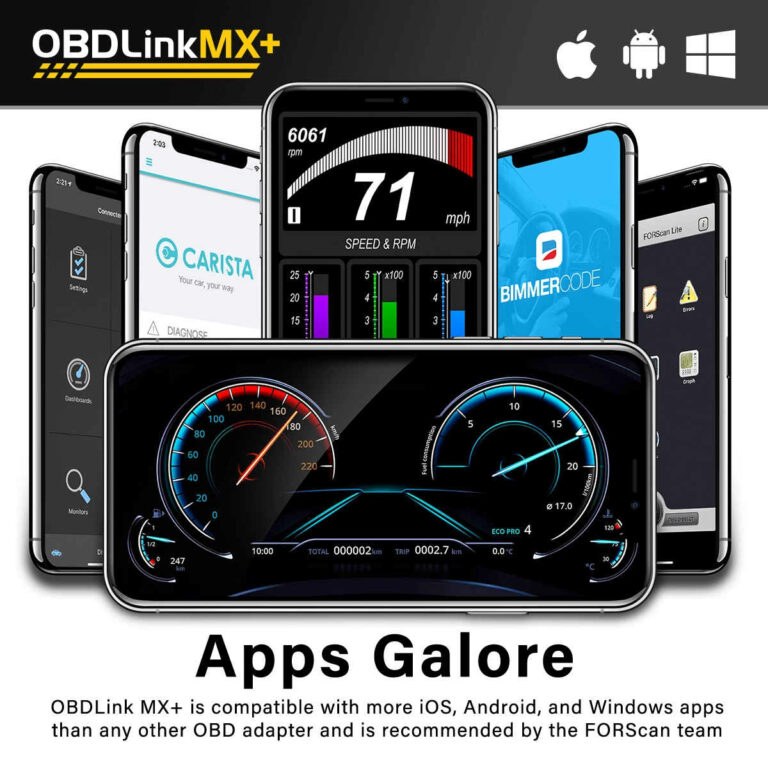
| Phone-based diagnostics | BlueDriver or OBDLink MX+ | Better app experience and easier updates. |
| More vehicle systems | TOPDON/Foxwell full-system scanner | Better if you need ABS, SRS, transmission, or service functions. |
FAQ
Will Bosch OBD2 scanner work on all cars?
No scanner works on every car for every function. A Bosch OBD2 scanner should handle basic OBD2 engine codes on most compatible vehicles, but advanced systems and resets depend on the exact Bosch model and the vehicle.
OBD2 created a common way for many vehicles to report emissions-related faults. Your scanner may connect to a compliant car, but its functions can vary by vehicle, region, model year, and manufacturer.
Standardization Timeline
In the United States, OBD2 became required for most cars and light trucks from the 1996 model year. The system uses a standard diagnostic connector and common communication rules, allowing a compatible scanner to read basic engine and emissions data.
OBD2 does not make every vehicle system universal. A basic scanner can usually access powertrain trouble codes, live engine data, and emissions readiness monitors. It may not read codes from the airbag, ABS, transmission, or body control systems unless it supports those systems and the vehicle manufacturer’s data.
Earlier vehicles may use OBD1 or a manufacturer-specific system. These vehicles can require a different connector, adapter, scanner, or software. Check your vehicle’s model year and diagnostic connector before buying a tool.
Regional Adoption Differences
OBD2 coverage depends on where your vehicle was sold and its model year. Most vehicles sold in the United States and Canada from 1996 onward support OBD2. European vehicles generally adopted similar requirements later, with gasoline vehicles commonly covered from 2001 and diesel vehicles from 2004.
Other markets followed their own schedules and may use related standards, such as EOBD. A vehicle built for one region may also use different software or communication protocols when sold elsewhere.
You can check the owner’s manual, look for an OBD2 or EOBD label, or inspect the area beneath the dashboard near the driver’s seat. A 16-pin connector suggests modern OBD coverage, but it does not guarantee that every scanner feature will work. Verify compatibility by vehicle make, model, year, and engine.
Model Year and Market Requirements
Your vehicle’s model year, fuel type, and sales market affect OBD2 compatibility. A scanner may read basic engine codes but lack access to advanced systems or manufacturer-specific data.
United States Requirements
In the United States, most 1996 and newer gasoline and alternative-fuel passenger cars and light trucks must use OBD2. Diesel passenger vehicles and light trucks generally followed in 1997. These rules make a basic OBD2 code reader compatible with many U.S.-market vehicles from those years onward.
Older vehicles may use OBD1 or a manufacturer-specific diagnostic system. They often need a special adapter or a dedicated scanner. A 16-pin connector does not always prove that a vehicle fully supports OBD2.
Your scanner’s features also matter. A basic reader can usually access standardized emissions codes, while an advanced tool may support airbag, transmission, body, and manufacturer-specific systems. Check compatibility by make, model, year, engine, and fuel type before buying.
European and International Vehicles
European requirements began later and vary by vehicle type. Many European gasoline cars from about 2001 onward support EOBD, the European version of OBD2. Many diesel passenger cars followed around 2004, though exact requirements depend on the vehicle and market.
Vehicles sold outside the United States and Europe may use different rules, connector layouts, or communication protocols. A car can have a diagnostic port but still require a brand-specific scanner.
Before connecting a tool, check its coverage list for your exact vehicle. Confirm that it supports the correct market, model year, engine, and protocol. Wireless adapters also need a compatible app, and some apps provide only basic emissions data.
Compatibility by Vehicle Type
Your scanner’s compatibility depends on the vehicle’s age, diagnostic connector, communication protocol, and the systems you need to test. A basic OBD2 reader may access engine and emissions data, while advanced functions often require vehicle-specific support.
Passenger Cars and Light Trucks
In the United States, most passenger cars and light trucks from model year 1996 or newer use OBD2. In Europe, many gasoline vehicles from 2001 onward and diesel vehicles from 2004 onward use the required EOBD standards. Your vehicle must also have a compatible diagnostic connector and communication protocol.
A basic scanner can usually read and clear powertrain trouble codes, view live sensor data, and check emissions monitors. It may not access systems such as ABS, airbags, automatic transmissions, or body controls. For those systems, check whether the scanner supports your exact year, make, model, and engine.
Older vehicles may use manufacturer-specific connectors or earlier diagnostic systems. You may need an adapter or a scanner designed for that vehicle.
Heavy-Duty Vehicles
Heavy-duty trucks, buses, and commercial vehicles often use different diagnostic standards from passenger cars. Many use J1939 or J1587 communication systems and a larger diagnostic connector. A standard car OBD2 scanner may not connect or may provide only limited information.
You need a scanner that lists support for your truck’s vehicle class, engine, protocol, and connector. Heavy-duty tools can read engine, transmission, aftertreatment, and other commercial-vehicle modules. They may also display data such as diesel particulate filter status, exhaust temperature, and emissions-system faults.
Some light-duty trucks use passenger-vehicle OBD2, while larger models do not. Confirm the vehicle’s diagnostic standard before buying an adapter or scan tool.
Hybrid and Electric Vehicles
Hybrid and electric vehicles may include a standard OBD2 connector, but connector access does not guarantee full compatibility. A basic scanner may read some powertrain or emissions-related data, yet it might not communicate with the battery, inverter, charger, or high-voltage control modules.
You should check the scanner’s coverage for your exact vehicle. Manufacturer-specific software may be needed to read battery condition, isolation faults, charging problems, or hybrid-system codes. Some tools may not support certain electric or hybrid models.
Do not work on high-voltage components based only on scan results. Follow the manufacturer’s safety procedures, and use equipment rated for the vehicle’s electrical system when testing or repairing it.
Scanner Features and Protocol Support
Your scanner must support your vehicle’s OBD-II protocol and the systems you need to test. A basic reader usually handles engine fault codes, while advanced tools can access systems such as ABS, airbags, transmissions, and body modules.
Basic Code Readers
A basic code reader connects to the vehicle’s OBD-II port and reads generic powertrain codes, often shown in the P0xxx format. You can usually clear the check engine light and view basic data, such as engine speed, coolant temperature, and oxygen-sensor readings.
Most modern readers support common protocols, including ISO 15765-4 CAN, ISO 9141-2, ISO 14230-4, and SAE J1850. However, support varies by model and vehicle year. Check the scanner’s compatibility list before buying, especially for cars made before 2008 or vehicles sold outside North America.
A basic reader may not access manufacturer-specific codes or modules beyond the engine computer. It also may not support ABS, airbag, transmission, service resets, or live graphing. Use it when you need simple emissions checks or engine fault-code information.
Professional Diagnostic Tools
Professional tools support more vehicle systems and provide deeper testing. Depending on the model, you can scan ABS, SRS, transmission, body control, and parking-assist modules, then view manufacturer-specific codes and detailed data.
Many advanced scanners offer live data graphs, actuator tests, and bidirectional controls. These functions let you command certain components, such as cooling fans or fuel pumps, to help confirm a fault. Some tools also perform battery registration, electronic parking-brake service, steering-angle resets, and key or module programming.
Check whether the tool supports your exact make, model, year, engine, and region. Advanced functions may require software updates, a subscription, or an internet connection. A scanner can connect physically yet still lack access to specific modules or functions on your vehicle.
Common Compatibility Limitations
OBD2 scanners may read standard engine and emissions data but miss systems such as airbags, antilock brakes, and automatic transmissions. Your vehicle’s age, connector type, software, and manufacturer can limit what the scanner can access.
Manufacturer-Specific Systems
A basic scanner usually reads generic powertrain trouble codes, often called P0 codes. These codes relate to emissions and engine functions that manufacturers must support through standard OBD2 rules.
Other systems may use manufacturer-specific codes, such as P1 codes, or separate communication methods. For example, your scanner might read an engine fault but fail to access the ABS, SRS, body control, or transmission module. Some vehicles also require special functions, such as service resets, live actuator tests, key programming, or ECU coding.
Check the scanner’s vehicle coverage list before buying it. Confirm that it supports your vehicle’s make, model, year, and required system. A scanner that connects successfully may still offer limited data or only basic code reading.
Older Vehicles and Proprietary Connectors
OBD2 became standard on most cars sold in the United States from the 1996 model year. Earlier vehicles may use OBD-I, which has different connectors and communication methods. An OBD2 scanner will not normally work with these vehicles unless you use the correct adapter and a compatible tool.
Some older cars also use proprietary connectors, even when they provide limited diagnostic access. An adapter may change the plug shape, but it cannot add missing communication support. You must match the scanner to the vehicle’s protocol, such as ISO, SAE, or CAN.
Before connecting a scanner, inspect the port and check the vehicle’s manual or service information. Do not force a plug into place, since different connectors can have different pin layouts and may cause damage.
Frequently asked questions
Do OBD2 scanners work with every car?
Most basic scanners work with gasoline vehicles sold in the United States from 1996 onward. In Europe, compatibility commonly starts with gasoline vehicles from 2001 and diesel vehicles from 2004. Check your vehicle’s year, market, and diagnostic connector before buying.
Can one scanner read every vehicle system?
No. A basic scanner usually reads engine and emissions codes. It may not access systems such as ABS, airbags, transmission, or body control modules. You need a scanner that supports your vehicle’s make and the systems you want to test.
Will an OBD2 scanner clear any warning light?
It can usually clear engine fault codes after you repair the problem. It may not reset ABS or airbag lights unless it supports those systems. The warning light can return if the fault remains.
Do all OBD2 scanners use the same connector?
Most compatible vehicles use the standard 16-pin OBD2 connector. However, some vehicles require a special adapter, software, or manufacturer-specific tool.
Can you use an ELM327 scanner with your car?
Many ELM327-based scanners work with compatible OBD2 vehicles, especially for basic engine codes and live data. Low-quality adapters may have connection or software problems, so verify compatibility before purchase.
What should you check before buying?
Confirm your vehicle’s make, model, year, and engine. Then check whether the scanner supports the systems and functions you need, such as live data, code reading, or bidirectional testing.
Conclusion
You can use most OBD2 scanners with cars and light trucks sold in the United States from 1996 onward. In Europe, many vehicles support OBD2 from 2001 for gasoline models and 2004 for diesel models. Check your vehicle’s requirements before buying a scanner.
Basic scanners usually read and clear standard engine and emissions codes. They may not access manufacturer-specific systems, such as airbags, anti-lock brakes, transmission controls, or advanced service functions.
Before you purchase, confirm these points:
- Your vehicle’s make, model, and year
- The scanner’s supported protocols
- Its ability to read the systems you need
- Whether it supports your region’s diagnostic standard
If the scanner cannot connect, make sure you plug it firmly into the diagnostic port and turn the ignition on. You should also check the vehicle manual and the scanner’s compatibility list.





9 Comments